Safety in Canada
Picture this: a snow-covered road where visibility suddenly drops, a moose emerging from a forest, or an evening stroll through a bustling city. Canada captivates, but it also demands preparation and caution. Traveling comfortably means learning to navigate its unique characteristics, whether natural or urban. With a few essential tips, you'll know how to enjoy this vast country under the best conditions while staying safe.
Picture this: a snow-covered road where visibility suddenly drops, a moose emerging from a forest, or an evening stroll through a bustling city. Canada captivates, but it also demands preparation and caution. Traveling comfortably means learning to navigate its unique characteristics, whether natural or urban. With a few essential tips, you'll know how to enjoy this vast country under the best conditions while staying safe.
What natural hazards might you encounter in Canada?
Because Canada spans an immense territory, natural conditions vary dramatically across regions. In the west, particularly in British Columbia, seismic risk remains a consideration. Flooding can affect several provinces. The Atlantic coast occasionally experiences the tail end of hurricanes, especially in Newfoundland, Cape Breton, or the Gaspé Peninsula.
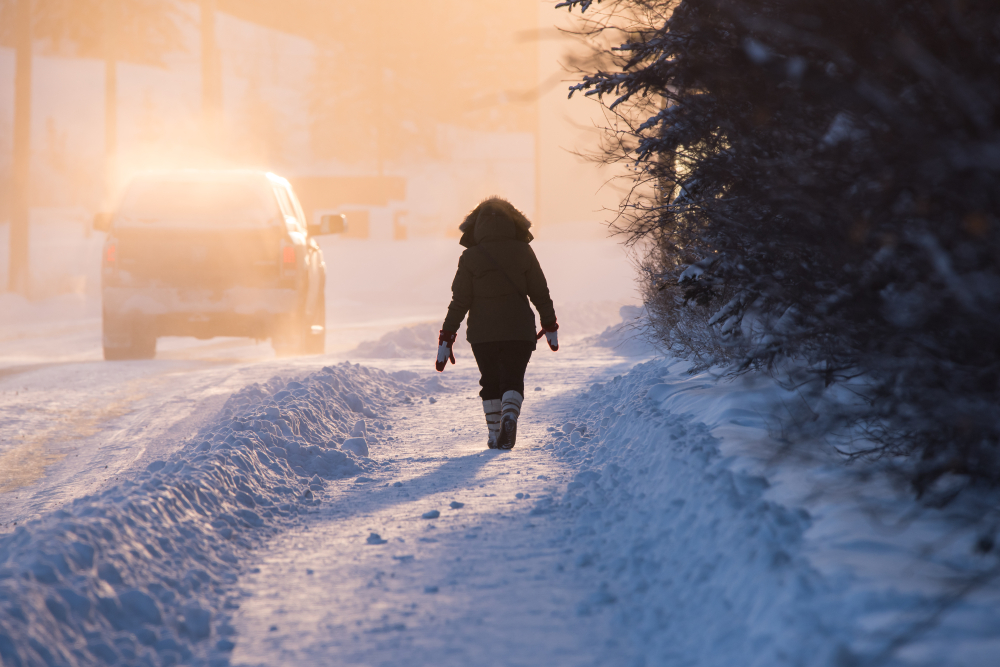
In winter, prepare yourself for snowstorms, ice, and hail. Canadians are equipped for these conditions, but as a traveler, you should plan for warm, climate-appropriate clothing.
In summer, forest fires become the greater concern, primarily in British Columbia and Alberta, though other regions like Quebec can be affected as well. This shouldn't discourage you, as local authorities carefully monitor conditions and regularly issue guidelines that allow safe travel.
Precautions
- In winter: wear thermal, waterproof, and layered clothing; equip yourself with slip-resistant footwear; bring gloves, a hat, and a scarf. If driving, ensure your vehicle has winter tires and an emergency kit (flashlight, blankets, water, food).
- During storms or ice events: avoid non-essential travel, follow weather bulletins, and respect local authority guidelines.
- In summer, during forest fires: inform yourself before hiking or camping, respect fire bans, leave affected areas promptly, and use alternative routes.
- When facing flooding: never drive or walk through a flooded area. Research at-risk zones and stay informed through local alerts.
- In seismic zones: know where emergency exits are located and keep a small kit nearby with water, a flashlight, and important documents. If a tremor strikes, protect yourself under a sturdy table and wait for vibrations to stop before evacuating.
How safe are Canadian cities?
Overall, urban life in Canada is quite safe. That said, a few precautions vary by city. In Montreal and Toronto, you may occasionally encounter situations related to homelessness or drug use, with incidents sometimes associated with these issues.
In smaller cities or quiet residential neighborhoods, the atmosphere is noticeably more peaceful, and residents move about with confidence. Law enforcement tailors interventions to address local challenges, particularly the opioid crisis.
How should you behave around wildlife?
During your outings, it's not uncommon to spot wild animals like beavers, caribou, or bears. Most are harmless as long as you follow a few essential rules: keep your distance, don't feed animals, don't leave food outside, stay in groups, and report bear sightings to authorities if necessary.
If you encounter a black or grizzly bear, stay calm. Back away slowly if the animal hasn't noticed you. Remain still if the bear has spotted you. Never run. Instead, observe its movements and wait for it to leave. Pepper spray is prohibited in Canada, even in checked luggage. So prioritize making noise and exercising caution to stay safe.
What should you do in an emergency?
Call 911 and provide essential information
The moment you face an emergency, dial 911 and clearly communicate your needs:
- State that you need an ambulance.
- Provide the exact address of the incident.
- Give your phone number.
- Describe what happened and the condition of the person in distress.
- Stay with the person and follow the dispatcher's instructions.
Answer the dispatcher's questions and follow their guidance
The medical dispatcher will ask several questions to assess the situation. Answer clearly and don't hang up until you have permission:
- Who is in distress (age, gender)?
- What is their condition (conscious, breathing)?
- What are the circumstances of the incident?
- Follow all instructions given by the dispatcher until emergency services arrive.
Prepare for the ambulance's arrival
While waiting for help, take these steps to facilitate their intervention:
- Clear the entrance and stairs for quick access.
- Ensure the house or building address is visible.
- If possible, send someone to guide the paramedics.
- Secure any pets.
- Gather the patient's medical documents and medications.
- Call 911 again if the person's condition changes.