Vancouver
Vancouver
Practical guide to visiting Vancouver in British Columbia: what to do, when to go, where to stay, transportation and advice from a local expert.
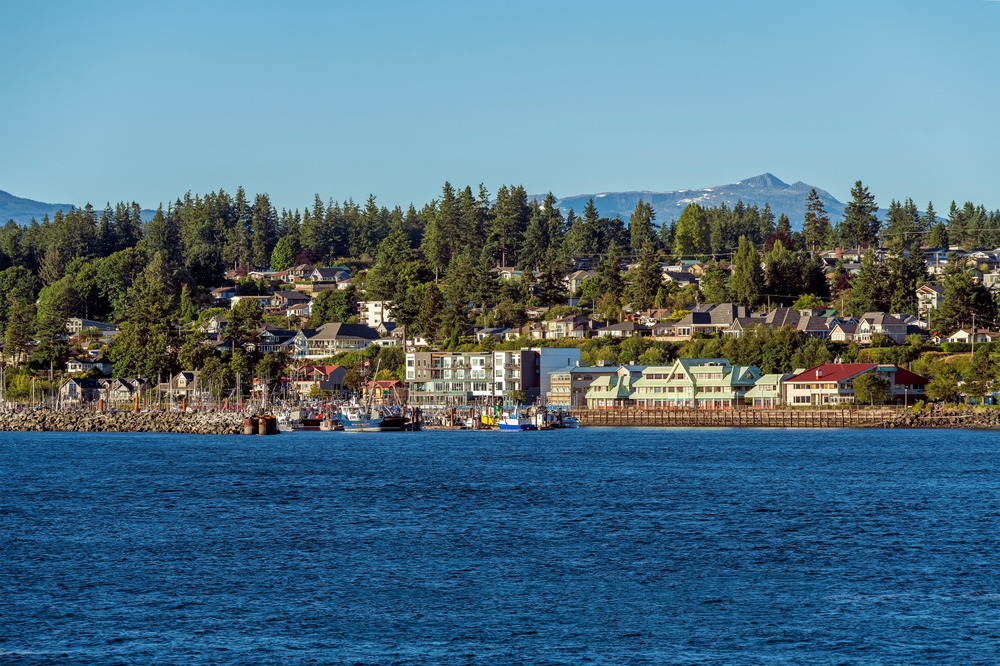
Perched on a peninsula bordered by the Pacific Ocean and surrounded by mountains, Vancouver is one of those cities where nature is an integral part of the urban landscape. Today the largest metropolitan area in Western Canada, it has grown while preserving what sets it apart: a genuine connection with its environment and an openness to the world that becomes apparent from your very first moments.
History and identity of Vancouver
Nearly 42% of residents were born abroad. Chinese, South Asian, Korean, and Japanese communities have each left their mark on the city's neighborhoods, markets, and dining scene. The heritage of the Musqueam, Squamish, and Tsleil-Waututh nations remains deeply present, evident in public art, museums, and everyday place names. Nicknamed Hollywood North, Vancouver ranks among North America's leading film production hubs, and its technology sector attracts the Canadian headquarters of major global companies. This vibrancy contrasts with challenges the city still faces, notably the housing crisis and the situation in Downtown Eastside, a reminder that Vancouver remains a real city, complete with its contradictions.
What to see and do in Vancouver?
Nature and wide open spaces
In Vancouver, nature isn't mere scenery—it's part of daily life, accessible to visitors within minutes of the city center.
Stanley Park
Among North America's largest urban parks, Stanley Park rewards visitors as much for its paths as for its tranquility. Along the Seawall, views of Coal Harbour and the North Shore mountains are worth the visit alone. Don't miss the Indigenous totem poles at Brockton Point, silent witnesses to a history far older than the city itself.
Grouse Mountain
Just minutes from downtown, Grouse Mountain transforms with the seasons. In summer, the Grouse Grind trail rewards hikers with panoramic views of Vancouver and the Georgia Strait. In winter, the mountain welcomes skiers and winter sports enthusiasts.
Culture and heritage
Beyond its landscapes, Vancouver has built a solid cultural scene, reflected in its museums, galleries, and historic neighborhoods.
Vancouver Art Gallery
Housed in a former courthouse dating to 1911, the gallery is renowned for its Emily Carr paintings, whose canvases capture British Columbia's forests and First Nations culture with rare intensity.
Gastown
The cradle of the modern city, Gastown holds the status of a national historic site of Canada. Its Victorian brick buildings and steam clock, which whistles the hours thanks to an underground network, make it one of the city's most photographed neighborhoods.
Vancouver Aquarium
Canada's largest, situated in the heart of Stanley Park, hosts a wide diversity of aquatic species. Since 2019, the facility has ended the presence of captive cetaceans, reflecting Vancouver's commitments to animal welfare.
Gastronomy and neighborhood life
At the table, Vancouver's diversity reads in the cuisine, from West Coast smoked salmon to Chinatown dim sum, passing through curries from Punjabi Market.
Granville Island
A former industrial zone transformed into a cultural and culinary hub, Granville Island is home to one of North America's most visited markets. The Public Market brings together local producers, artisans, and food vendors under one roof. Art galleries and artist studios make it a vibrant destination well beyond its gastronomic reputation.
Adventure and outdoor activities
For outdoor enthusiasts, Vancouver offers generous terrain for play in every season.
Capilano Suspension Bridge
Just minutes from downtown, this bridge crosses the Capilano River at a dizzying height, above a temperate rainforest with century-old cedars. Suspended catwalks through the treetops and a walkway along granite cliffs complete the experience.
Whale watching
Between April and October, cruises departing from Vancouver allow you to observe orcas, gray whales, and humpback whales in their natural habitat, accompanied by naturalist guides.
When to go?
Summer: peak season
From June to August, the weather is pleasant, Kitsilano and English Bay beaches come alive, and the city fills with events: the Vancouver International Jazz Festival, the Khatsahlano street festival, and the Honda Celebration of Light, whose fireworks illuminate the bay in July.
Spring and autumn: shoulder seasons
Both seasons offer a good alternative to escape summer crowds. Temperatures remain mild and the city retains all its vitality.
Winter: the city in another light
Whistler and Cypress Mountain are accessible in little time from the city. Canyon Lights at the Capilano Suspension Bridge and the Festival of Lights at VanDusen Garden give Vancouver a distinctive atmosphere in this season.
Vancouver is well connected from Europe and North America, primarily by air.
- From France: direct flights with Air France and Air Transat. Connections with stopovers via Air Canada from Paris and several provincial cities.
- From Belgium: no direct flights. Brussels Airlines, Air Canada, KLM, and WestJet offer connections with stopovers.
- From Switzerland: direct flights from Zurich during peak season with Swiss Airlines and Air Canada. Flights with stopovers from Geneva.
- From the United States: connections provided by Alaska Airlines, WestJet, and Air Transat from several American cities. From Seattle, HarbourAir offers a seaplane connection to Vancouver's heart.
- By train or bus: Pacific Central Station welcomes VIA Rail and Amtrak trains, as well as Greyhound and FlixBus buses from the United States.
Vancouver is easily explored without a car, especially in the center.
- The SkyTrain: three lines serve downtown and surrounding neighborhoods: the Canada Line to Richmond and the airport, the Expo Line to Surrey and Burnaby, and the Millennium Line to Coquitlam and Port Moody.
- The SeaBus: water shuttle connecting downtown to North Vancouver in about fifteen minutes, with beautiful views of Burrard Inlet.
- The bus: a dense network, accessible for those with limited mobility and equipped with bike racks.
- Miniferry: Aquabus and False Creek Ferries connect Granville Island and wind along False Creek from several boarding points along the waterfront.
- Cycling: an extensive network of bike paths and Mobi bike-sharing system. Helmet use is mandatory.
- The car: not essential downtown, but useful for exploring nearby mountains and communities.
Want to discover this destination?
Our local advisors design your tailor-made trip.