Saint-Pierre-et-Miquelon
Saint-Pierre-et-Miquelon
France's last territory in North America, Saint-Pierre-et-Miquelon blends French culture, rugged Atlantic landscapes, and a singular maritime heritage.
Just off the coast of Newfoundland lies an archipelago unlike anywhere else in North America. The islands of Saint-Pierre-et-Miquelon represent France's last overseas territory on the continent, offering a distinct cultural identity that makes it a remarkable stop when traveling through the region.
History and Identity of Saint-Pierre-et-Miquelon
Inhabited for millennia by indigenous populations, the archipelago began attracting European fishermen in the late 15th century, drawn by the rich fishing grounds of the Newfoundland Banks. Contested between France and Great Britain over the centuries, it retains today its status as a French overseas collectivity—a rare distinction at the gateway to Canada.
Once here, you'll discover a life governed by the seasons, panoramas opening onto the Atlantic, and a distinctly French culture set within a decidedly North American environment.
What to See in Saint-Pierre-et-Miquelon?
The archipelago concentrates remarkable sites across a compact territory, from maritime heritage and distinctive architecture to preserved natural landscapes.
Saint-Pierre, a Vibrant Town
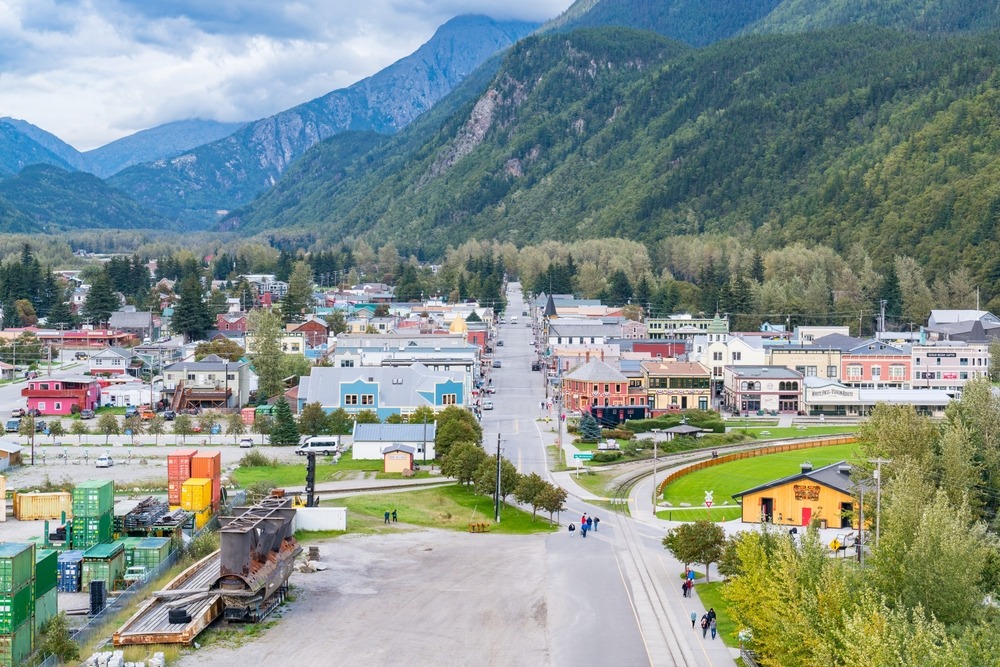
Saint-Pierre invites leisurely exploration on foot. Colorful wooden houses dating to the 19th century give the town its instantly recognizable character. Several buildings on General de Gaulle Square merit close attention:
- The Cathedral, its stained glass windows a testament to remarkable Basque craftsmanship
- The Post Office, inspired by Lorraine architecture, bordering the square
- The War Memorial, dedicated to soldiers of both World Wars
For deeper historical discovery, two museums are worth visiting:
- The Musée de l'Arche, which houses the archipelago's archives and a collection of historical objects
- The Musée Héritage, offering a comprehensive retrospective of Saint-Pierre-et-Miquelon's history
Île aux Marins, a Village Frozen in Time
Just a short boat ride from Saint-Pierre's harbor, Île aux Marins ranks among the archipelago's most compelling visits. Once dedicated to 18th-century fishing, it's now a major historical and tourist site. Houses, school, church, and lighthouse remain virtually intact from nearly a century ago. The Archipelitude museum there traces the traditions and customs of this French North American territory.
Miquelon-Langlade, Nature Unfiltered
Miquelon offers a striking palette of landscapes:
- Grand Barachois, a vast body of water where seal colonies populate sandbars
- Cape Miquelon, rich in geological curiosities
- Cormorandière Valley, a privileged refuge for observing local flora and fauna
- Boreal forest, unique within French territory
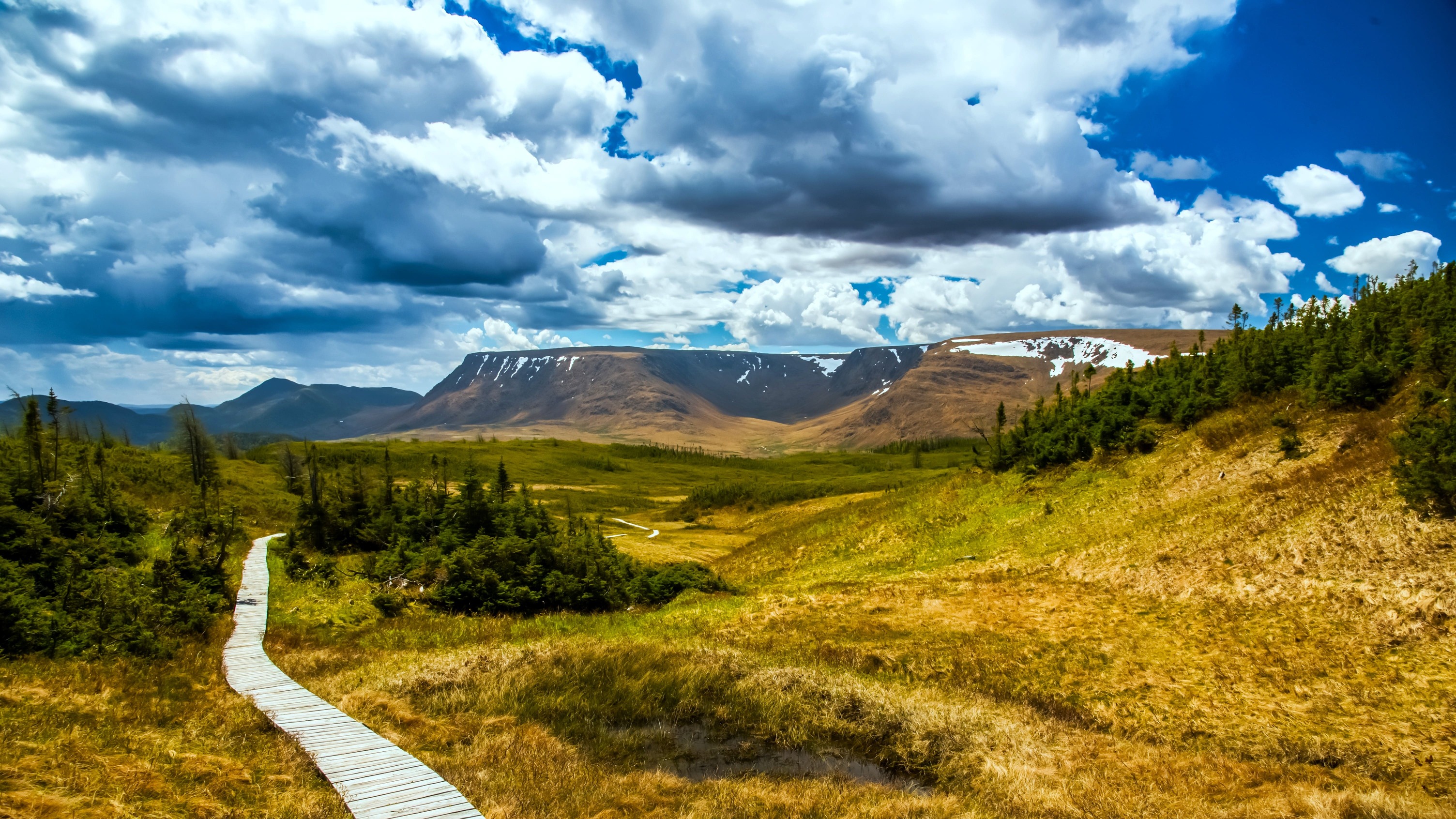
Further south, Langlade is connected to Miquelon by La Dune, a 12-kilometer sand isthmus. Without permanent residents, the island remains wild and unspoiled. The trail to Pointe Plate offers fine vistas across the Atlantic.
What to Do in Saint-Pierre-et-Miquelon?
Beyond sightseeing, the archipelago offers a range of activities, from nature hikes to cultural events to gastronomy deeply rooted in French tradition.
Hiking and Eco-Excursions
Miquelon-Langlade is ideal terrain for hiking enthusiasts. Trails traverse varied environments:
- Peatland and dune landscapes
- Boreal forest
- Lagoons and rocky hills
- Routes accessible to all levels
Events and Celebrations
- Basque Festival (August, Saint-Pierre): a week of pelota, feats of strength, dance demonstrations, and Basque Country gastronomy, culminating in a popular ball
- Dunefest Festival (Langlade): a celebration rooted in local culture, set within exceptional natural surroundings
- The 25 Kilometers of Miquelon-Langlade Race: a sporting and convivial event open to runners and walkers alike, followed by a festive mechhoui feast
Gastronomy
The table stands as one of the great pleasures of a stay in Saint-Pierre-et-Miquelon. Seafood, local specialties, and French staples blend harmoniously:
- Lobster, scallops, cod cheeks, halibut
- Goose and duck foie gras produced locally at Miquelon
- Craft brewery productions
- Fresh bread, cheeses, wines, chocolates, and pastries
When to Visit?
The archipelago experiences a subarctic climate marked by frequent winds, high humidity, and sharply contrasting temperatures across seasons. The most favorable period runs from July through September, when conditions are most clement and all tourist sites accessible. Whatever period you choose, pack warm clothing and a waterproof jacket.
- Spring (April to June): cool temperatures between 41°F and 50°F, frequent precipitation, progressively lengthening days
- Summer (July to September): high season, temperatures between 59°F and 70°F, frequent fog and constant wind
- Autumn (October to November): temperatures between 46°F and 59°F, declining tourist traffic, distinctive light
- Winter (December to March): temperatures around 25°F, possible snow, some sites closed
The archipelago is accessible from Canada and France via air or sea.
By Air
Air Saint-Pierre operates regular flights between the archipelago and several Canadian cities. A direct service from Paris is also available during summer season, from June through September.
By Boat
Traversal from Fortune, Newfoundland. Passengers can embark with their vehicles. Parking is available at Fortune for those preferring to leave their car on the mainland. Inter-island service also operates from Saint-Pierre to Miquelon, Langlade, and Île aux Marins.
Whether on foot, by bicycle, or by car, the archipelago is easily navigable when you adapt your mode of transport to the areas you wish to explore.
On Foot
The town centers of Saint-Pierre and Miquelon are entirely walkable. At Saint-Pierre, the harbor, salt flats, and viewpoint are readily explored in a day's walk. Dedicated hikers can even consider traveling entirely on foot, provided they allow sufficient time.
By Bicycle
Bicycling is an excellent way to explore beyond the town center, particularly at Saint-Pierre and Miquelon.
By Car
For discovering the rest of Saint-Pierre, Langlade, or Miquelon's natural attractions, a car remains the most practical option:
- Rental vehicles are available on-site at both Saint-Pierre and Miquelon
- You can also drive your own vehicle onto the ferry between Saint-Pierre and Miquelon
French traffic laws apply, with some differences from North American codes. In winter, arrange a vehicle equipped for snow, as ice and snow can make driving challenging. If you take your vehicle on the ferry, ensure the exterior and interior are free of soil and vegetation, per border services requirements.
Want to discover this destination?
Our local advisors design your tailor-made trip.