Newfoundland
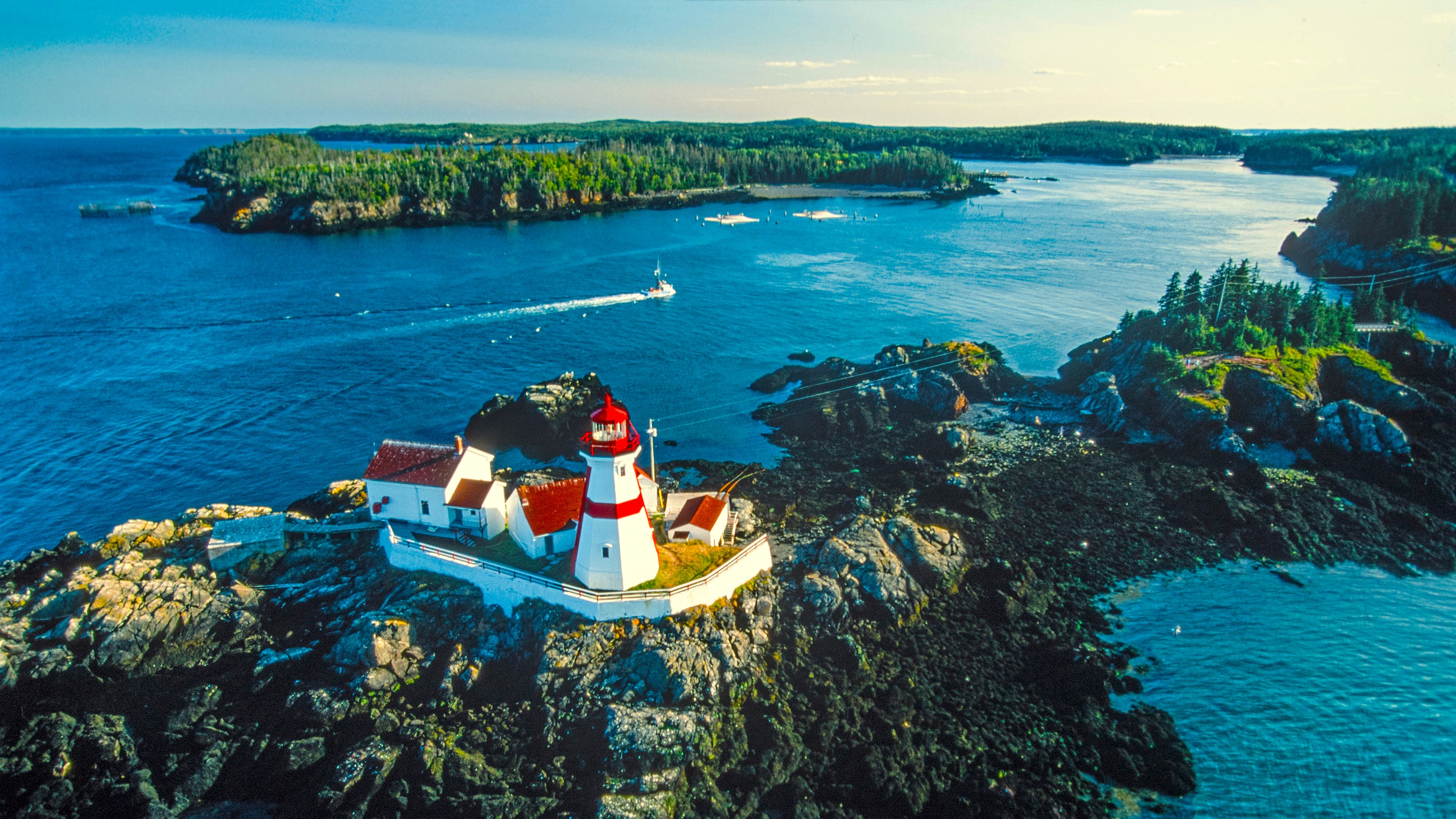
A large island in the Atlantic Ocean, Newfoundland forms with Labrador the easternmost province of Canada and, by extension, the most eastern point of all North America. The ocean is omnipresent here, and just a few hours on the island are enough to understand that it has shaped the landscape, people, and culture of the province far more profoundly than one might imagine.
A large island in the Atlantic Ocean, Newfoundland forms with Labrador the easternmost province of Canada and, by extension, the most eastern point of all North America. The ocean is omnipresent here, and just a few hours on the island are enough to understand that it has shaped the landscape, people, and culture of the province far more profoundly than one might imagine.
History of Newfoundland
Inhabited for millennia by the Beothuk and Mi'kmaq peoples, Newfoundland was the first land in North America to be reached by Vikings, around the year 1000. Their settlement at L'Anse aux Meadows, designated a UNESCO World Heritage Site, remains to this day the only authenticated Viking site on the continent. Jean Cabot landed there in turn in 1497, opening the way to a long rivalry between the English and French for control of the island, which the Treaty of Utrecht in 1713 definitively settled in favor of the British.
From then on, Newfoundland charted its own course, distinct from that of the rest of Canada, before joining Confederation in 1949 after a narrow referendum. It thus became the youngest province in the country, while maintaining an identity that remains fiercely its own to this day.
What to See and Do in Newfoundland?
Newfoundland is above all an island of vast spaces and wild nature, where each turn of the coast holds its share of surprises. Between spectacular hikes, exceptional wildlife encounters, and unique cultural experiences, the province leaves a lasting impression on those who visit.
Nature & Wide Spaces
Gros Morne National Park
Designated a UNESCO World Heritage Site, this park offers one of Canada's most breathtaking landscapes, with its deep fjords and rocky plateaus. A stop that is essential for anyone setting foot on the island.
The Skerwink Trail
This 5.3-kilometre loop around Trinity East is considered one of Canada's finest hikes. The vistas over the ocean and cliffs are particularly remarkable.
Iceberg Watching
Twillingate and St. Anthony are the best viewing points for these giants of ice coming from Greenland, over 10,000 years old. The most favorable conditions typically present themselves between late May and early June.
Puffins of Elliston
Near Bonavista, the Elliston site is one of the rare places in the world where these birds can be observed from the mainland. Each summer, a large portion of the world's puffin population gathers there for the breeding season.
St. John's
Signal Hill and The Battery
From atop Signal Hill, seven kilometres of trails offer panoramic views over the bay and the capital. Some paths descend to The Battery neighbourhood, where colourful fishermen's houses cling to the cliff face in remarkable tranquility.
Jellybean Row and Quidi Vidi
Walking through the streets of St. John's, you'll come across Jellybean Row, a row of brightly coloured wooden houses that has become one of the city's symbols. Just steps away, the fishing village of Quidi Vidi is home to an original microbrewery whose beer is brewed using iceberg water.
The Screech-in Ceremony
This local tradition transforms visitors into honorary Newfoundlanders for an evening filled with stories, savoury rituals, and a glass of screech, the local rum. An offbeat and convivial experience that captures the spirit of the island.
When to Visit?
Newfoundland's climate is marked by significant seasonal fluctuations and unpredictability that make atmospheric conditions difficult to anticipate. Wind is omnipresent, regardless of the season.
The best time to visit extends from June to September. Summer is mild, with temperatures ranging between 16 and 25 °C, and it's the ideal season to make the most of outdoor activities. It's also the prime time for iceberg watching, possible from late May to early June, and for whale sightings, between June and August. Numerous festivals animate villages and the capital during this period as well.
Note that from August to October, weakened hurricanes from the Caribbean can occasionally reach the island, bringing heavy rains and strong winds.
Winter, from December to March, is rigorous and heavily snowed, with temperatures regularly dropping below -10 °C and considerable snowfall. This season is therefore not recommended for a conventional tourist stay.
Newfoundland is accessible by air or sea, with the ferry remaining the most emblematic way to reach the island.
By air via St. John's International Airport, well served from major Canadian cities, notably Halifax, Montreal, Ottawa, and Toronto
By ferry from North Sydney (Nova Scotia) with Marine Atlantic, which offers two routes: one to Port aux Basques on the island's west, accessible year-round, and another to Argentia in the east, just 1.5 hours from St. John's, available from mid-June to mid-September
From Labrador, a provincial ferry connects Blanc-Sablon to St. Barbe, allowing you to reach the island after crossing the continent
A car is the most practical way to explore Newfoundland, as the inland transport network is limited outside major towns. Before hitting the road, a few points deserve attention.
The Trans-Canada Highway (Route 1) forms the island's main axis, connecting Port aux Basques to St. John's over nearly 900 kilometres
Some secondary stretches can prove rough, particularly after winter
The frequent presence of moose on the roads demands constant vigilance, especially at dusk
A few villages on the south coast are accessible only by boat