Twillingate
Twillingate
Known as the world's iceberg capital, Twillingate combines boat excursions, coastal trails, and fishing heritage on the northeast coast of Newfoundland.
Twillingate sits at the end of Route 340, on a string of verdant islands bordered by Notre Dame Bay, on the northeast coast of Newfoundland. The sea here is far more than scenery: it has long dictated the rhythm of life for residents and continues to profoundly shape the village's culture and identity.
History and Heritage
As early as the 17th century, French fishermen and sailors frequented these islands for fishing and timber, naming them Toulinguet after islands of the same name off the coast of Brest. The term derives from the Breton « toul inged », meaning rocks pierced at the point of land. Gradually, Twillingate established itself as an essential service and trading center for fishing operations on the Labrador coast and northern shore.
This past remains visible today in the town's landscape and buildings. The Twillingate Museum, housed in the former rectory of the Anglican church, brings local life to life at the turn of the 20th century through period-furnished rooms and exhibitions dedicated to notable figures, including Georgina Stirling. Known as Marie Toulinguet, this opera singer from Twillingate traveled the world in the late 19th century. St. Peter's Church, built in 1842, and the Ashbourne Premises, a collection of wooden buildings dating from the early 19th century, complete this portrait of a community that has preserved traces of its history.
What to See in Twillingate?
Constructed in 1876 atop a cliff, the Long Point lighthouse overlooks Notre Dame Bay from some 100 meters above sea level. The site offers remarkable ocean vistas and serves, in season, as a prime observation post for marine life and icebergs drifting offshore.
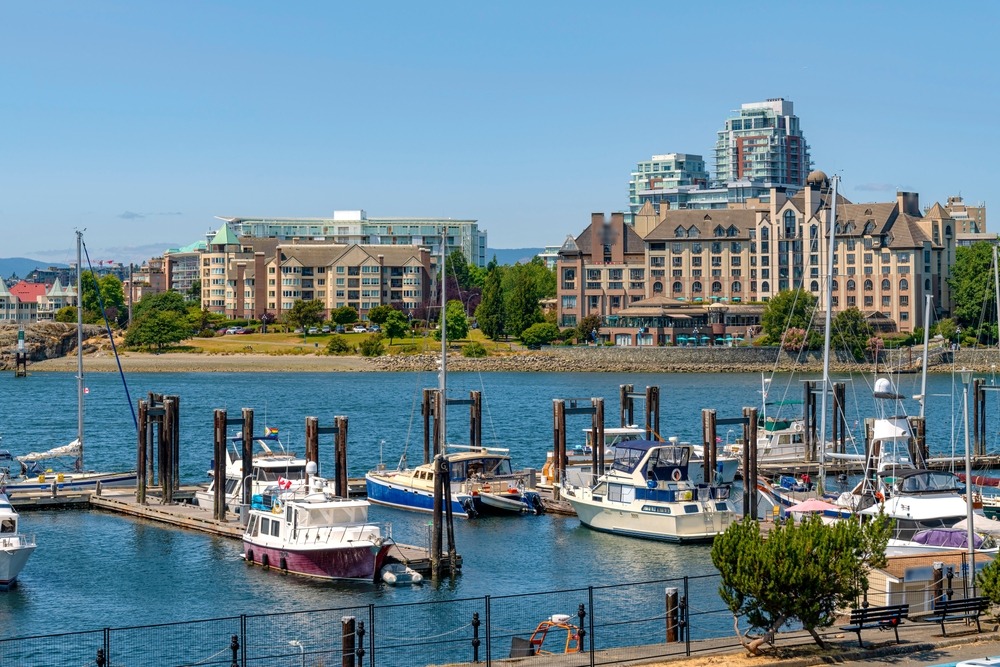
The village itself deserves time to explore. Its colorful houses, narrow streets, and wharves tell the story of a fishing port that has endured through the centuries. For deeper immersion, the Prime Berth – Twillingate Fishing and Heritage Centre brings together, in a cluster of century-old buildings, exhibitions on fishing and a dedicated whales pavilion, featuring the reconstructed skeleton of a fin whale.
What to Do in Twillingate?
Twillingate offers a diverse range of activities, whether you're drawn to the outdoors, the sea, or local culture.
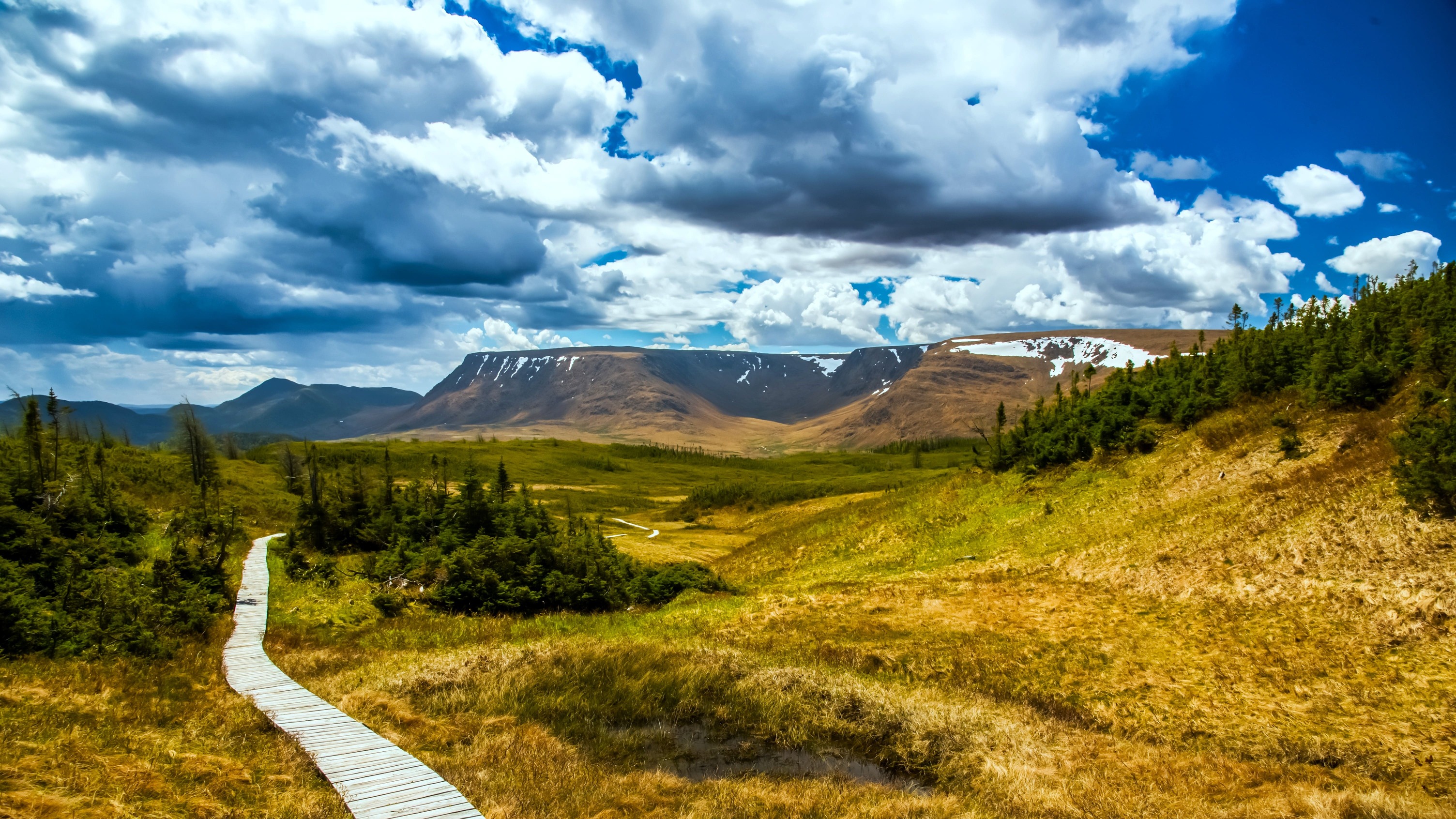
- Hiking: The Rockcut Trails network spans more than 25 kilometers of paths that follow the coastline, wind through forests, and climb cliffsides. Among the most beloved routes, Lower Little Harbour—a 5 km loop leading to a secluded beach—is a must-do. For a 360-degree view of the island, the Top of Twillingate trail leads to the highest point.
- Boat Excursions: Several companies offer boat tours lasting a few hours to observe icebergs and marine life. In season, encounters with humpback whales, dolphins, and seabirds are frequent. For exploring the coast at your own pace, sea kayaking is an excellent alternative.
- Local Gastronomy: A visit to Great Auk Winery allows you to discover wines crafted from local wild berries—an experience that captures the region's distinctive character.
Festivals and Events
Twillingate hosts music and theater performances nearly every evening during the summer season, complemented by several festivals that punctuate the calendar through autumn.
The Fish, Fun and Folk Festival
Typically held in late July, this festival ranks among the region's major events. Visitors from near and far gather to celebrate music, gastronomy, and local traditions. The program features crafts, concerts, treasure hunts, dancing, competitions, and fireworks. If you plan to visit Twillingate during this time, booking your accommodation in advance is recommended.
The Unscripted Twillingate Digital Arts Festival
As autumn settles in and the city's pace slows, Twillingate closes its cultural season with this four-day festival entirely dedicated to digital arts. It's an opportunity to capture the region's beauty in all its forms, accompanied by music and fine cuisine.
When to Visit?
Summer concentrates most of Twillingate's activity, though the destination offers different experiences depending on the season. Whenever you choose to visit, it's wise to pack clothing suited to the Atlantic coast's temperamental weather.
- June to August: The coast is at its most vibrant, marine life is abundant, trails are accessible, and festivals follow one another. This is also the busiest period, so advance planning is recommended.
- September: The pace slows, autumn light transforms the island's appearance, and crowds thin, offering a more intimate experience.
Twillingate is accessible by air, ferry, or road, depending on your starting point. For travelers connecting Gros Morne to St. John's by car, the town makes a natural midway stop well worth lingering over.
- By Air: Most travelers land at St. John's International Airport or Deer Lake Airport, then drive to Twillingate. Gander Airport, closer to town, is a worthwhile option if a connection fits your itinerary. A vehicle is essential for reaching and getting around town.
- By Ferry: Marine Atlantique operates crossings from North Sydney, Nova Scotia, to two entry points in Newfoundland: Argentia and Port aux Basques. Both are linked to Twillingate by a few hours' drive.
- By Road: From the Trans-Canada Highway, two routes lead to Twillingate via Route 340, known as the Route of the Islands. From Gander or Lewisporte, the town is reachable in less than 100 km. Along the way, the road passes through several coastal villages before reaching the causeway connecting Twillingate to New World Island. RV enthusiasts will also find good options, with campgrounds throughout the region.
Want to discover this destination?
Our local advisors design your tailor-made trip.