Big Creek
Big Creek
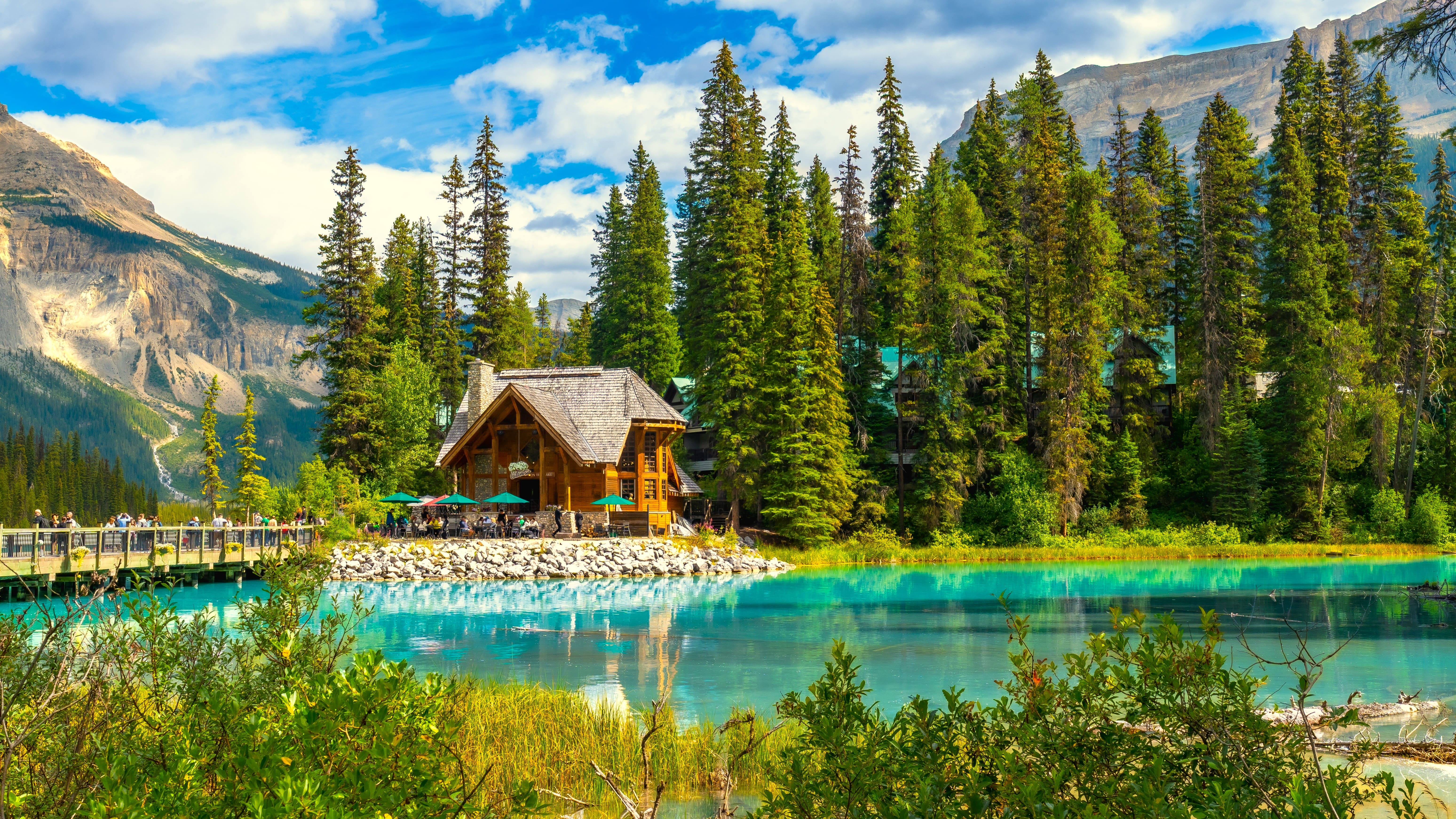
In the heart of the Chilcotin, Big Creek Provincial Park protects 68,000 hectares of BC wilderness: grizzly bears, alpine meadows and horse trails.
Big Creek Provincial Park, nestled in the heart of British Columbia, captivates visitors with the richness and diversity of its landscapes. To the south, spectacular mountains rise around sparkling alpine lakes, while to the north stretches the vast forested plateau of the Chilcotin. Between the two, volcanic hills and lava flows create a unique setting, shaped by time and nature. Preserved and difficult to access, this park offers a rare immersion into one of Canada's last great wild spaces.
History and Heritage of Big Creek Park
Situated on the traditional territories of the St'at'imc, Tsilhqot'in, and Secwepemc Nations, Big Creek Provincial Park bears witness to ancient and ongoing use of the region. The trails that wind through its valleys once served as trade routes, and certain locations were dedicated to spiritual practices. Graveyard Creek valley preserves the memory of a 19th-century battle between the Tsilhqot'in and St'at'imc for control of the upper Bridge River basin.
With colonization, horse ranching and guiding activities left a deep mark on the territory: trails, cabins, and hunting practices shaped the landscape, with some still in use today. This heritage continues with the enduring importance of ranching and outdoor tourism. The park's official creation in 1995, followed by several expansions, has protected nearly 68,000 hectares of wilderness.
Wildlife and Flora of Big Creek Park
Big Creek Provincial Park is a sanctuary of biodiversity, where wildlife watching often takes place at a distance, in a completely wild setting. Visitors must remain cautious and respect the tranquility of animals to preserve this fragile balance.
On the wildlife side, you may observe:
- Grizzly and black bears, emblems of Canadian nature
- Caribou and moose, in wetland and forested areas
- California bighorn sheep and mountain goats, adapted to steep terrain
- Wolves and lynx, elusive large carnivores but signs of an intact ecosystem
The flora includes:
- Subalpine fir and Engelmann spruce forests
- Whitebark pine, a rare and endangered species protected within the park
- Alpine meadows in full bloom in spring, offering a unique colorful spectacle
Outdoor Adventures
Big Creek is ideal terrain for lovers of wide-open spaces. Each season opens the door to new experiences, between physical challenges and moments of contemplation.
- Hiking: traverse deep valleys and volcanic plateaus where nature reigns supreme.
- Horseback riding: relive the spirit of pioneers by traveling the trails on horseback.
- Mountain biking: test your limits on wild and demanding trails.
- Mountaineering and photography: let yourself be inspired by spectacular panoramas.
- Winter: when snow covers the park, backcountry skiing, snowshoeing, and heli-skiing take over.
Essential Hikes
Big Creek reveals itself through its trails, true gateways to the backcountry.
- Elbow and Lorna Pass Loop (19 km): a comprehensive route connecting Bear Paw camp in the neighboring South Chilcotin Mountains park to Elbow Pass. Forests, valleys, and alpine passes unfold in a grand atmosphere.
- Graveyard Cabin via Relay Creek (11 km): a remarkable hike leading to Graveyard Creek valley, a place heavy with history and significance for First Nations.
- Other unmarked trails: for the more adventurous, a wild network allows you to forge your own path and experience total immersion in the backcountry.
When to Visit?
The ideal time to visit Big Creek extends from June to August, when temperatures are mild and alpine flora is in full bloom. Spring and autumn attract visitors with their tranquility and colors, but weather is more changeable, with occasional snow at altitude from September onward. In winter (November to March), access becomes difficult and harsh conditions reserve the park for experienced hikers and skiers.
Big Creek Provincial Park is not accessible directly by highway. Although it lies only about one hundred kilometers southwest of Williams Lake as the crow flies, access is only via forest roads. A 4x4 vehicle, chains, and good preparation are essential, especially in wet conditions.
Two main access routes exist:
- From the south, from Lillooet, a track leads toward the Relay Creek and Tyaughton Creek valleys, launching points for several hiking and riding trails.
- From the north, from Riske Creek, a less-traveled route reaches Lorna Lake and the Dil-Dil plateau, appreciated for horseback exploration.
These roads are not regularly maintained and can be affected by weather conditions. Traveling to Big Creek demands self-sufficiency and caution, but the adventure begins with accessing the park itself.
Practical Advice and Safety
Big Creek is a remote, unmonitored park: complete self-reliance is necessary. Bring a first aid kit, clothing suited to changing conditions, and your own water supplies, or treat water from streams and lakes. With abundant wildlife, keep your distance, store food securely, and report any bear sightings. Before your visit, consult official notices and respect responsible travel principles by leaving no trace of your passage.
Accommodation in Big Creek
Want to discover this destination?
Our local advisors design your tailor-made trip.