Whitehorse
Whitehorse
Capital of Yukon nestled between river and mountains, Whitehorse blends Gold Rush history, northern lights and the vast Canadian North.
Whitehorse, capital of Yukon, sprawls across the Yukon Valley in the southern reaches of the territory. Near Kluane National Park and the Saint Elias Mountains, the city possesses a singular character: you come for the nature, you stay for the atmosphere. Renowned for its hospitality and outdoor activities, it concentrates a remarkable offering at the scale of northern Canada.
History and character of Whitehorse
Whitehorse emerged in 1898 as a way station for prospectors during the Klondike Gold Rush. Two years later, the completion of the White Pass and Yukon Route railway from Skagway transformed this camp into a structured village.
During the Second World War, the city played a strategic role in the construction of the Alaska Highway, accelerating its development. In 1953, it officially became the capital of the territory, replacing Dawson City.
Today, Whitehorse is home to nearly 30,000 residents, representing approximately 70% of Yukon's population. Public administration constitutes the primary employment sector, alongside tourism, which contributes significantly to the territorial economy.
In 2024, the New York Times named it among the 52 destinations to discover in the world. The city also maintains a rare distinction: the World Health Organization classified it in 2011 as the city with the purest air in the world.
What to see in Whitehorse?
Whitehorse brings together several sites that offer insight into Yukon's history and culture. Between Gold Rush heritage, Indigenous traditions and natural history, discovery unfolds around complementary locations.
Among the principal sites:
● S.S. Klondike
Anchored on the Yukon River, this restored paddlewheel steamboat testifies to the central role of riverine transport through the mid-twentieth century.
● MacBride Museum
Yukon's first museum, it illuminates the history and culture of Yukon through exhibits that trace the heritage from the Gold Rush, Indigenous traditions and natural history, with discovery organized around complementary locations.
● Kwanlin Dün Cultural Centre
Dedicated to the culture of the Kwanlin Dün First Nation, this centre offers a living approach through exhibitions and knowledge transmission.
● Yukon Beringia Interpretive Centre
Devoted to the glacial period, it allows you to explore the history of Beringia and its wildlife, including mammoths.
What activities are available in Whitehorse?
The surrounding nature largely structures activities in Whitehorse. The region lends itself equally well to accessible outings and more demanding experiences, depending on the season.
Several possibilities await you:
● Hiking
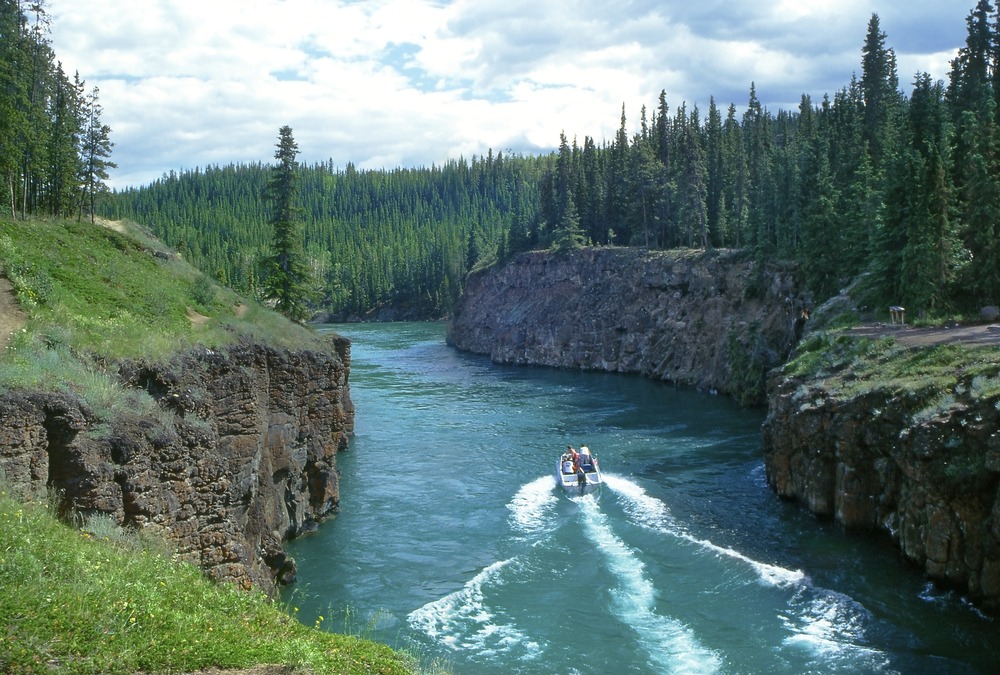
An extensive network of trails surrounds the city, notably around Miles Canyon, crossed by the Robert Lowe suspension bridge and offering views over the Yukon River.
● Biking
Routes vary by level, with the Millennium Trail for a ride along the river, and more technical itineraries on the McIntyre and Grey mountains.
● Water activities
The Yukon River lends itself to canoeing and kayaking, with excursions allowing you to experience landscapes from the water.
● Northern lights viewing
Visible from late summer through early spring, this phenomenon is more easily observed by moving away from lit areas.
● Fishing
The lakes and rivers of the region offer numerous possibilities, subject to respecting applicable regulations.
What to discover around Whitehorse?
The surroundings of Whitehorse allow you to expand your discovery with accessible sites nearby, which complement your visit to the city.
At short distance, you can notably discover:
● Yukon Wildlife Preserve
Located approximately 25 minutes away, this wildlife reserve allows you to observe several species of northern Canada within vast natural habitats.
● Eclipse Nordic Hot Springs
These thermal springs, known for long by First Nations peoples, are developed into outdoor pools conducive to relaxation.
● Canyon City
An ancient site linked to the Gold Rush, now abandoned, it bears witness to the region's history.
When to visit?
Whitehorse's climate is characterized by marked contrasts, with long, cold winters and short but pleasant summers.
Temperatures vary greatly throughout the year, with summer highs exceeding 20°C and winter lows dropping below −30°C. Precipitation remains moderate, with a significant portion falling as snow during the cold season.
The most favorable period for visiting Whitehorse extends from May to August. Temperatures are milder, allowing you to enjoy outdoor activities in good conditions.
In winter, from November to March, a different experience awaits, marked by low temperatures and snow-covered landscapes. This period is better suited for travellers interested in winter atmospheres or northern lights viewing.
Transitional periods, in spring and autumn, present more variable conditions, with changeable weather and certain activities less accessible.
Whitehorse is accessible primarily by air. The city has Erik Nielsen International Airport, located approximately 10 minutes from the city centre. Due to its geographical isolation, this is the simplest way to reach Yukon.
By plane
Whitehorse is connected to several major Canadian cities, notably via Vancouver, which constitutes the primary point of access to the territory.
Travel time
From Vancouver, the flight lasts approximately 2h30. From other Canadian cities, a connection is generally necessary.
Upon arrival
The airport is located in immediate proximity to the city centre. Taxis and shuttle services allow you to reach your accommodation easily. Some establishments also offer transfer service.
Due to the expanse of the territory and the distance between sites, a car remains the most practical way to get around Whitehorse and its surroundings. It allows easy access to natural spaces and activities located outside the centre.
By car
Driving offers great freedom, particularly for exploring the areas around the city. It remains especially suitable if you plan to travel regularly.
By public transport
Whitehorse has a bus network that allows you to circulate between the main districts. This mode of transport suits occasional trips, though it remains more limited than in major cities.
By bike
A network of trails allows you to cycle, especially during the summer period. This mode of travel is suited to short journeys and urban areas.
Carpooling
Carpooling can be a complementary solution, particularly for connecting certain areas located outside the centre.
Attractions in Whitehorse
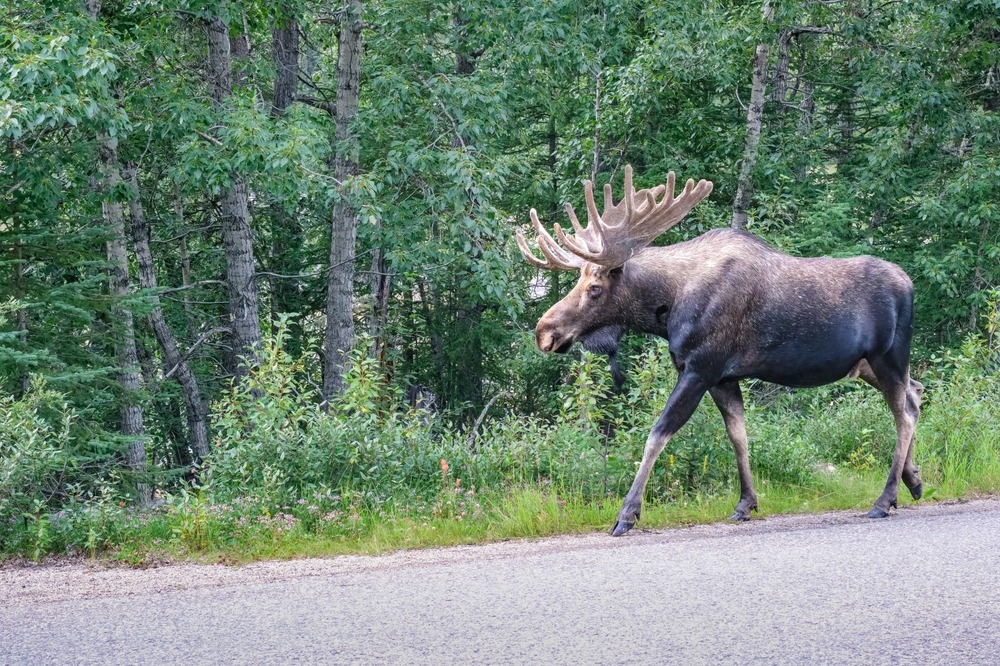
Réserve faunique du Yukon
À 25 minutes de Whitehorse, 280 hectares dédiés à la faune nordique : bison des bois, orignal, caribou, mouflon à cornes minces, à observer toute l'année.
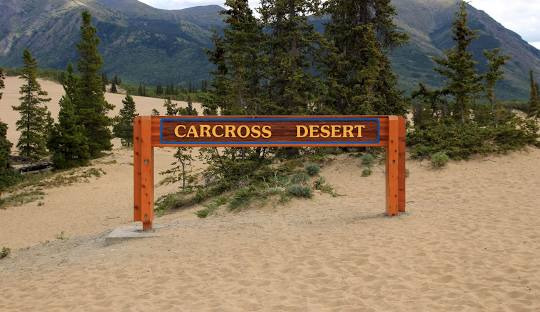
Carcross
À 70 km au sud de Whitehorse, Carcross associe patrimoine ferroviaire de la ruée vers l'or, dunes du « plus petit désert du monde » et culture autochtone tagish.
Miles Canyon
À quelques kilomètres de Whitehorse, Miles Canyon associe parois de basalte, eaux turquoise du Yukon et 8 000 ans d'histoire des Premières Nations.
Want to discover this destination?
Our local advisors design your tailor-made trip.