Carcross
Carcross
Located 70 km south of Whitehorse, Carcross blends Gold Rush railway heritage, the dunes of the "world's smallest desert" and Tagish Indigenous culture.
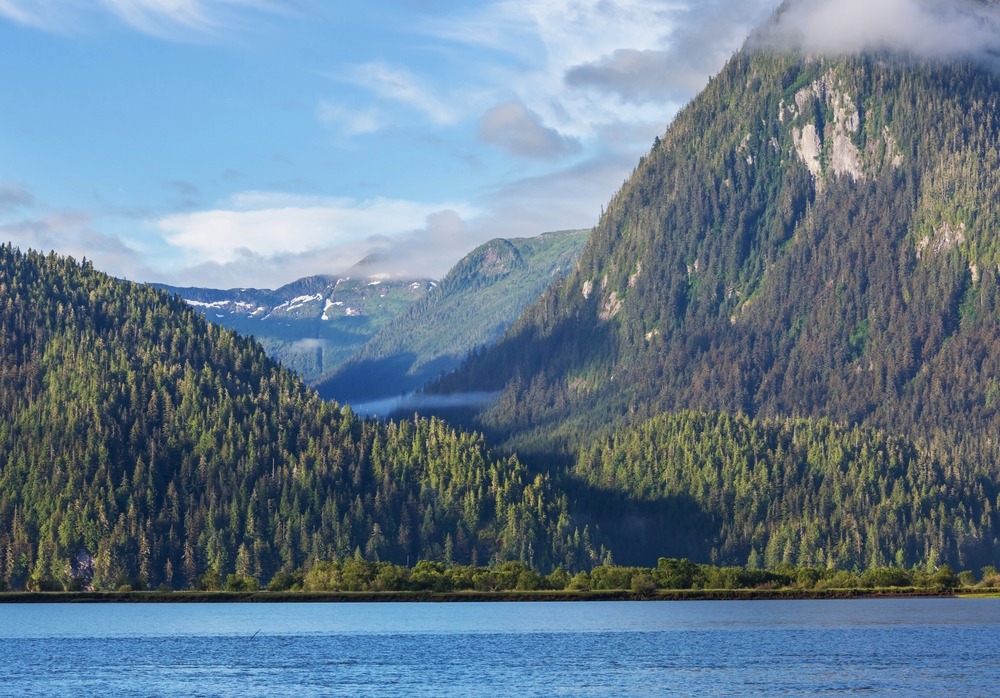
About 70 km south of Whitehorse, Carcross is a small Yukon village situated between Bennett, Nares and Tagish lakes. This community of roughly 300 residents is home to the Carcross/Tagish First Nation and preserves architectural heritage tied to the Klondike Gold Rush. Its dune desert, historic railway station and mountain trails make it an ideal stop along the South Klondike Highway between Whitehorse and Skagway.
Why visit Carcross
- Intact railway heritage, a legacy of the White Pass & Yukon Route.
- Carcross Desert, nicknamed the "world's smallest desert"—a rare dune expanse in subarctic terrain.
- Over 40 km of hiking and mountain biking trails on Montana Mountain, maintained by youth from the Carcross/Tagish First Nation.
- A thriving Indigenous cultural hub centred around Carcross Commons.
- A convenient stop between Yukon and Alaska, halfway to Skagway.
History of Carcross
The name reflects the site's dual linguistic heritage: Todezaane in Tagish means "where the wind blows without ceasing," and Nàtàse Hîn in Tlingit, "fishing camp in the narrows between lakes." The site served as a seasonal crossing point for caribou herds for centuries.
In 1899, the settlement was officially named Caribou Crossing, referring to the herds that crossed the narrows between Bennett and Nares lakes. The name was shortened to Carcross in 1906 to avoid postal confusion with other similarly-named villages across North America.
At the turn of the 20th century, the arrival of the White Pass & Yukon Route railway made Carcross a logistics hub between Skagway and interior Yukon. The village gained a railway station and police post, becoming a supply point for travellers and goods during the gold rush. A fire in 1909 destroyed part of the settlement, and the decline of neighbouring mining towns like Bennett City and Conrad City weakened the local economy. Carcross nevertheless rebuilt itself around the railway and emerging tourism.
The regularization of property titles in 1983 marked a pivotal step for the Indigenous community, which now manages a significant portion of local development.
What to see and do in Carcross
Nature and outdoor activities
- Montana Mountain: over 40 km of hiking and mountain biking trails maintained by youth from the Carcross/Tagish First Nation. Mountain goats and caribou are sometimes spotted here.
- Carcross Desert: nicknamed the "world's smallest desert," it is a dune expanse formed from sediments of an ancient glacial lake. The site is ideal for hiking, sandboarding and photography, with snow-capped peaks as a backdrop.
- Nares Lake: an interpretive boardwalk runs along its shores toward the village.
Heritage buildings
- White Pass & Yukon Route Station: completed in 1900, it preserves its original turntable, a testament to railway engineering of the era.
- Matthew Watson General Store: billed as the oldest continuously operating general store in Yukon, it sells local crafts and goods in a heritage building.
- Skookum Jim's House: built in 1899 by one of the discoverers of Klondike gold, it reflects the role of First Nations in the gold rush.
- St. John the Baptist and St. Saviour Churches: two historic religious buildings dating to the late 19th century.
- S.S. Tutshi Monument: commemorates the steamboat that provided navigation on Bennett Lake.
Family activities
- Caribou Crossing Trading Post: mini-golf, gold panning, wildlife museum and zoo with husky puppies.
- Carcross Commons: Indigenous art galleries, sculpture workshops, cafés and Game Mother play area for children.
Practical information
- Visit duration: allow half a day for the village and main sites, a full day if you add Montana Mountain or the desert.
- Admission: strolling through the village is free. Family attractions (trading post, museums) charge modest admission.
- Accessibility: most of the village centre is walkable on flat paths. Montana Mountain trails require good fitness.
- On-site services: light dining, petrol station, limited accommodation (book ahead in high season).
When to visit Carcross
Carcross is accessible year-round, but the experience varies significantly by season.
- June to September: the most favourable window, with clear roads, long daylight and mild temperatures. This is also when the historic train runs from Skagway.
- November to March: Yukon winter offers deeply snowed landscapes and conditions favourable for northern lights, but cold is severe and some services close.
- April–May and October: quiet shoulder seasons, changeable weather, low visitor numbers.
How to reach Carcross
- By car from Whitehorse: about 70 km via the South Klondike Highway, roughly under an hour's drive through mountains and forests.
- From Skagway (Alaska): about 110 km via White Pass. The journey is possible by car, bus, or combining the historic train and a connecting coach.
- By train: the White Pass & Yukon Route links Skagway to Carcross on a seasonal summer service.
- By air: Carcross has no airport. Whitehorse international airport is the nearest air gateway. Carcross Water Aerodrome, on Tagish Lake, welcomes floatplanes from June to October.
Nearby attractions
- Whitehorse, Yukon's capital, 70 km to the north.
- Chilkat State Park in neighbouring Alaska, accessible via Skagway.
- To extend your journey into the Rockies, Banff National Park.
Frequently asked questions
Frequently asked questions
June to September, when roads are clear, daylight is long and the historic train is operating from Skagway. Winter suits enthusiasts of northern lights and snowy landscapes.
Half a day is enough to visit the village and its historic buildings. Allow a full day if you add Carcross Desert and a Montana Mountain trail.
Yes, Carcross is about 110 km from Skagway, Alaska, via White Pass. The journey is possible by car, bus, or combining the White Pass & Yukon Route train with a connecting coach.
Technically, it is a dune expanse formed from sediments of an ancient glacial lake, with a dry microclimate linked to wind patterns. The "world's smallest desert" nickname is touristic: the area receives too much precipitation to be a desert in the strict climatic sense.
Yes, the South Klondike Highway from Whitehorse remains open year-round, but winter driving requires appropriate tyres and heightened caution. Some shops and accommodation close outside the main season.
Planning your trip
Carcross fits naturally into a Yukon-Alaska itinerary departing from Whitehorse. To build a tailored route, consult our Canada travel suggestions.
Interested in this visit?
We can include it in your personalised itinerary.