Yukon Wildlife Preserve
Yukon Wildlife Preserve
Just 25 minutes from Whitehorse, 280 hectares dedicated to northern wildlife: wood bison, moose, caribou, thinhorn sheep, observable year-round.
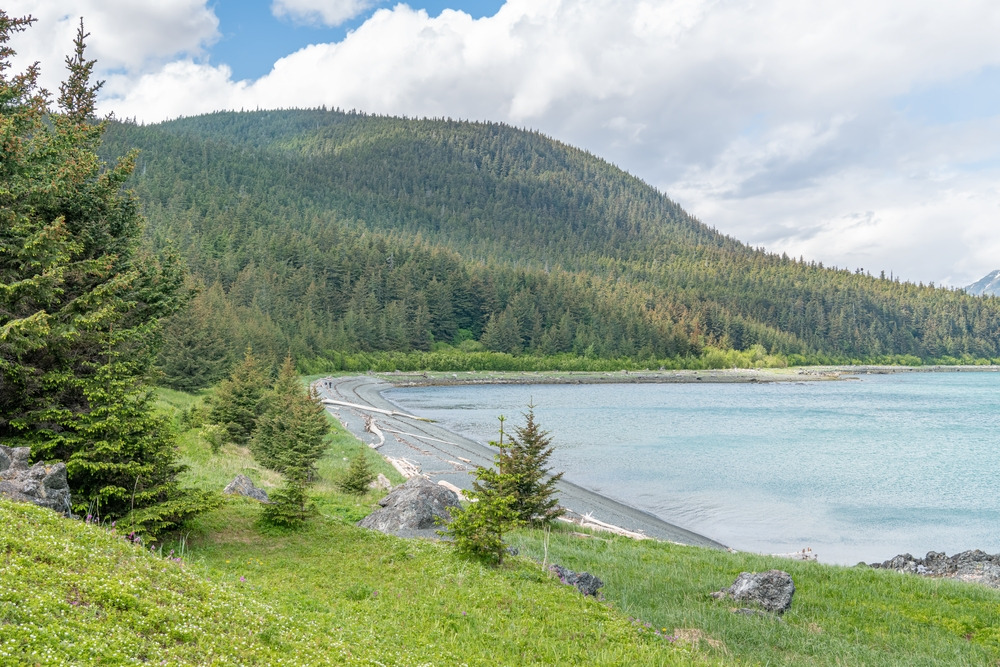
Just 25 minutes from downtown Whitehorse, the Yukon Wildlife Preserve protects over 280 hectares of grasslands, wetlands, and mountain slopes where a dozen emblematic species of Canada's Far North roam. The site is open year-round, accessible on foot, by bike, on snowshoes, or aboard a naturalist bus tour.
Why visit the Yukon Wildlife Preserve
Unlike a traditional zoo, the preserve recreates large-scale habitats for northern species difficult to observe in their natural environment: wood bison, musk ox, caribou, moose, thinhorn sheep, and mountain goat. The animals inhabit expansive enclosures that mirror their ecosystems, bringing the experience close to wildlife observation in the wild while offering comfortable viewing conditions in all seasons.
The educational approach and proximity to Whitehorse make it a worthwhile stop for anyone planning a trip through Yukon, complementing more adventurous expeditions to the northern national parks.
A story rooted in private initiative
The adventure began in the 1960s, when Danny and Erika Nowlan founded the Yukon Game Farm with the idea of raising northern herbivores in their natural state. In 1989, the site was renamed Yukon Wildlife Preserve and partnered with Holland America to host tourist circuits. In 2004, the Yukon government purchased the land and entrusted its management to a non-profit organization. The family project then became a public facility dedicated to conservation, research, and education.
Wildlife and habitats
The preserve recreates three environments characteristic of Canada's North, traversed by boreal forest that provides shelter and protection for animals. Over 90 bird species have been recorded here.
The grasslands
Home to large herbivores, you'll observe:
- Wood bison
- Musk ox
- Woodland caribou
- Elk
- Mule deer
Bald eagles, falcons, and owls soar above these open spaces. The arctic ground squirrel acts as a sentinel: its whistles alert the entire colony to an approaching predator.
The wetlands
Insects, amphibians, and waterfowl inhabit these environments, also frequented by the moose, North America's largest cervid, which seasonally depends on aquatic plants for sustenance. Wetlands serve as a buffer between water bodies and dry lands, limiting flooding and erosion.
The mountain slopes
Rocky cliffs shelter mountain goats and thinhorn sheep, whose hooves have evolved to navigate steep terrain. Foxes often roam the ridges, and several bird species nest in rocky crevices.
Among memorable residents is JB, a moose raised by the team after being abandoned by her mother, who has become a familiar figure on the preserve.
How to visit the preserve
Guided bus tour
Lasting approximately 1.5 hours, it's led by a naturalist guide who narrates the route and makes observation stops. Booking is recommended.
Self-guided exploration
Two marked loops exist: a 2.4 km trail and a 4.8 km trail, taking 2 to 2.5 hours to complete. Interpretation panels line the pathways.
Private tour
With a guide and vehicle, it provides access behind the scenes at the Research and Rehabilitation Centre. Book in advance.
The site can be explored on foot, by bike, on cross-country skis, or snowshoes depending on the season. Fat bikes with oversized tires are available for rent on-site.
When to visit
The preserve is open year-round, with extended hours during the summer season (May through late October) and reduced hours in winter. Morning and late afternoon remain the best times for wildlife observation. In summer, the midnight sun typical of Yukon extends viewing opportunities well into the evening.
Winter offers snow-covered landscapes and the chance to see animals in their winter coat, though the site closes when temperatures drop below -35°C, with occasional closures during extreme cold spells.
How to get there
The preserve is located at kilometer 8 of Takhini Hot Springs Road, roughly 25 minutes from downtown Whitehorse.
By car
The most flexible option. From Whitehorse, follow the North Alaska Highway, then take Takhini Hot Springs Road for 8 km. Car rental agencies are available in town.
By taxi
Several companies serve Whitehorse. Expect a substantial fare for a one-way trip from downtown, varying by provider and time of day.
By shuttle or tour package
Local operators offer shuttles departing from Whitehorse and packages combining the preserve with other regional sites. Availability and pricing vary by season.
What to combine nearby
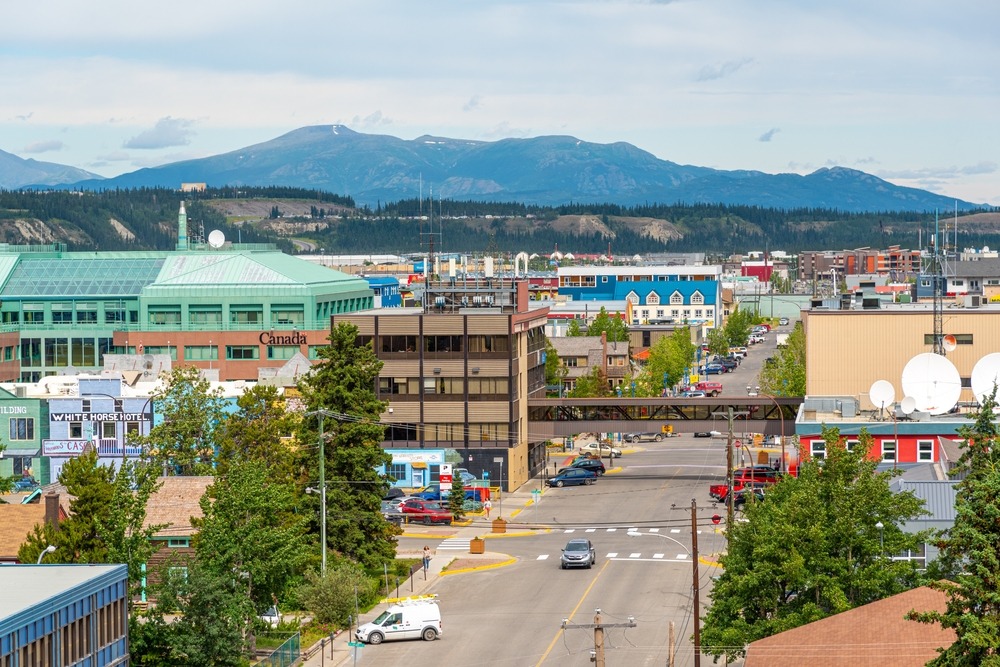
Takhini Hot Springs are located a few kilometers further along the same road: it's easy to pair morning wildlife observation with a warm soak at day's end. Whitehorse, the territorial capital, serves as an ideal logistics hub for exploring Yukon. To extend the wildlife and wilderness experience elsewhere in Canada, destinations such as Banff National Park or Gros Morne National Park are among the leading options.
Frequently asked questions
Frequently asked questions
Spring and summer (May through September) offer the most comfortable conditions, with exceptionally long days thanks to the midnight sun. Winter allows you to see animals in the snow, provided you're prepared for cold and possible closures below -35°C.
Plan 1.5 hours for the guided bus tour, and 2 to 2.5 hours to walk or bike the 4.8 km main loop. A half-day on-site is a good benchmark.
Yes, the site is open year-round. In winter, you can explore by snowshoe, cross-country ski, or fat bike. Occasional closures may occur during severe cold episodes, particularly when temperatures fall below -35°C.
Booking is recommended for the guided bus tour and essential for the private tour providing access to the Research and Rehabilitation Centre. Self-guided exploration requires no specific time slot.
Yes. Taxis serve the site from Whitehorse, and several operators offer shuttles or combined packages with the nearby Takhini Hot Springs.
Planning your trip
The Yukon Wildlife Preserve fits naturally into a broader itinerary across Canada's great expanses. To build your custom journey, explore our Canada trips.
Interested in this visit?
We can include it in your personalised itinerary.