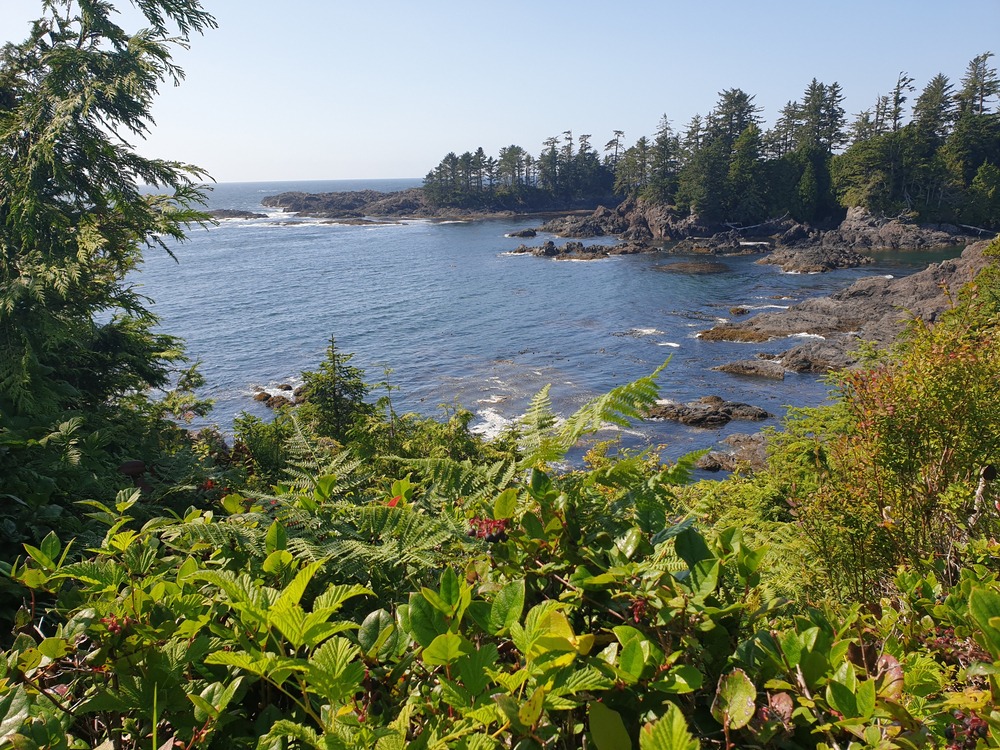
Gatineau Park
Gatineau Park
On the outskirts of Ottawa, Gatineau Park brings together 360 km² of forests, lakes and trails, with hiking, swimming and one of North America's largest cross-country skiing networks.
On the outskirts of Ottawa, Gatineau Park covers a vast territory of hills, forests and lakes spanning more than 360 km². Managed by the National Capital Commission, this federal conservation park stretches nearly 50 km across the municipalities of Gatineau, Chelsea, La Pêche and Pontiac. It combines hiking trails, lakes suited for swimming, heritage sites and one of Canada's largest cross-country skiing networks.
Why visit Gatineau Park
The park offers quick access to expansive nature from the Ottawa-Gatineau region, without requiring long drives. It brings together three major attractions within the same perimeter: year-round outdoor activities (hiking, cycling, canoeing, cross-country skiing, snowshoeing), rich biodiversity with over one thousand plant species recorded and more than 230 bird species observed, and a notable heritage site, the Mackenzie-King estate, the former country residence of Canadian Prime Minister William Lyon Mackenzie King.
Park access is free year-round, making it one of the most accessible outings from the federal capital.
History of the park
Long before its official creation, the territory served as a place of life and passage for Algonquin peoples, who hunted and gathered there for millennia. In the 17th century, French explorers crossed these forests in search of furs, among them Étienne Brûlé and Nicolas Gatineau, after whom the river is named. At the end of the 18th century, Loyalist settlers from the United States established themselves there and gave their names to several lakes and valleys.
The 19th century was marked by intensive logging, iron mining and mica extraction, which profoundly transformed the landscape. Facing deforestation, protection initiatives emerged in the early 20th century, leading to the park's creation in 1938 under federal government initiative. It is now administered by the National Capital Commission (NCC).
What to see and do
Lakes, beaches and swimming
Three lakes structure summer activities: Philippe Lake, La Pêche Lake and Meech Lake. Three supervised beaches allow for summer swimming. The lakes are suitable for canoeing, kayaking and stand-up paddleboarding, with rentals available on-site depending on location.
Hiking and viewpoints
The park has over 200 km of hiking trails, ranging from family-friendly loops to more demanding routes leading to viewpoints overlooking the Outaouais Valley. Trails in the Pink Lake area, Champlain Lookout and Lusk Cavern are among the most popular.
The Mackenzie-King estate
The Mackenzie-King estate combines landscaped gardens, ruins arranged as decorative elements, trails and period buildings. Plan 2 to 3 hours for a complete walking tour.
Fauna and flora
Nearly 80% of the territory is covered by forests blending deciduous and coniferous trees. Over one thousand plant species are recorded, including some fifty tree varieties, among them rare species such as white oak, black walnut and black maple. Wildlife includes white-tailed deer, beavers, moose, black bears and eastern wolves. More than 230 bird species have been observed, from raptors to songbirds.
Winter activities
The park has over 200 km of maintained cross-country skiing trails, one of North America's largest networks, as well as approximately 90 km of snowshoeing trails and about sixty kilometers of fatbike trails (winter cycling).
When to visit
The park can be visited year-round, with each season offering its own appeal.
- May to June: forests in full leaf, trails accessible, active wildlife. Cool season with light crowds.
- July to August: peak season for swimming, canoeing and camping. Beaches and parking lots can be congested on weekends.
- Mid-September to mid-October: fall colors, one of the most photographed periods. Significant crowds on weekends.
- December to March: cross-country skiing, snowshoeing and fatbiking. A pass is required for these winter activities.
Practical information
- Access: free year-round. Parking fees apply during summer season at beaches, boat launches and the Mackenzie-King estate; free parking in winter.
- Winter pass: required for cross-country skiing, snowshoeing and fatbiking.
- Camping and accommodation: reservations mandatory at Philippe Lake and La Pêche Lake (traditional camping and glamping). Rates vary by season and site.
- Chelsea Visitor Centre: recommended starting point for maps, advice and permits.
- Pets: dogs allowed on leash on certain trails only.
How to get there
- By car: most flexible option, approximately 15 to 30 minutes from downtown Ottawa depending on entrance. Multiple parking areas spread across main access points.
- Seasonal shuttle: shuttle service connects certain park accesses between May and October from Gatineau and Ottawa.
- By bike: several cycling paths lead directly to park entrances from Gatineau and Chelsea.
- On foot: certain trails connect nearby villages (notably Chelsea) to park entrances.
What to see nearby
- Ottawa: the federal capital, less than 30 minutes away, with its national museums, the Rideau Canal and Parliament Hill.
- Battlefields Park in Quebec City, another major Canadian urban park steeped in history.
- Forillon National Park in Gaspésie, to extend a nature itinerary in eastern Quebec.
Frequently asked questions
Frequently asked questions
Plan your trip
Gatineau Park integrates easily into a stay in Ottawa or a broader itinerary between Ontario and Quebec. To build a tailor-made trip including this destination, explore our Canada tours.
Interested in this visit?
We can include it in your personalised itinerary.