Ottawa
Ottawa
A bilingual capital, Ottawa blends political heritage, the UNESCO-listed Rideau Canal, and vast natural spaces. Everything you need to plan your visit.
Canada's capital and seat of the federal government, Ottawa captivates visitors with the balance it strikes between national institutions, architectural heritage, and expansive natural spaces accessible in the heart of the city. The Rideau Canal, inscribed on the UNESCO World Heritage List, stands as one of its most iconic symbols.
Ottawa's History
Long before the city's founding, the Outaouais valley was home to Algonquin peoples. The Outaouais River, known as Kichi Sibi ("great river"), served as a vital circulation and trade route among different Indigenous nations. In the early 17th century, French explorers, including Étienne Brûlé and Samuel de Champlain, traversed the region. The river became essential to the fur trade and the exploration of the continent's interior.
Permanent European settlement was established in the early 19th century when Philemon Wright founded the first agricultural settlement on the north bank of the river in present-day Gatineau. Construction of the Rideau Canal began in 1826 under the direction of Lieutenant-Colonel John By, giving rise to the town of Bytown, which thrived through the timber trade. In 1855, the city was renamed Ottawa and, two years later, Queen Victoria chose it as the capital of the Province of Canada. With Confederation in 1867, Ottawa became officially the nation's capital.
What to See and Do in Ottawa?
Ottawa offers visitors countless discoveries. Between iconic institutions, vibrant neighborhoods, national museums, and cultural events, Canada's capital is easily navigable on foot and offers an agreeable mix of history, culture, and natural spaces.
Must-Sees
Parliament Hill
The neo-Gothic building that dominates the city is the natural starting point for any visit. Free guided tours of the House of Commons, Senate, and surrounding buildings are offered throughout the year. At the site's entrance stands the Centennial Flame, inaugurated for the 100th anniversary of Confederation. Each morning at 10 a.m., the Changing of the Guard ceremony takes place here—a free military and musical spectacle.
Rideau Canal
Inscribed on the UNESCO World Heritage List, the Rideau Canal is one of the city's major symbols. In winter, its 7.8 kilometers transform into a skating rink and become a gathering place for residents and visitors alike. Access is free, and kiosks offer hot cider and beaver tails. In summer, guided cruises allow visitors to discover the city from its waters.
ByWard Market
Founded in 1846, ByWard Market is one of Canada's oldest and largest public markets. Fresh produce, flowers, local crafts, cafés, and restaurants converge in a lively atmosphere. In the evening, the neighborhood becomes a popular destination for nightlife.
Sparks Street
Located a short distance from Parliament Hill, this pedestrian street lined with shops and cafés is pleasant year-round. Throughout the year, it hosts performances and exhibitions that punctuate the district's cultural life.
Canadian Museum of History
Dedicated to over a thousand years of Canadian history, this museum traces the traditions of Indigenous peoples and the many communities that make up the country. An IMAX theater and a section for children complete the experience.
Notre-Dame Cathedral
Designated a National Historic Site of Canada, this neo-Gothic cathedral is distinguished by its twin towers and remarkable interior woodwork.
Lights Out: The Multimedia Spectacular
This sound and light show uses the Parliament buildings as a backdrop to tell Canada's story, offering a particularly striking evening experience.
Festivals
Ottawa is a city of festivals that enliven its calendar year-round. In winter, Winterlude transforms the city into a winter playground. In spring, the Canadian Tulip Festival illuminates the capital's parks and green spaces. Summer is marked by the Dragon Boat Festival and Bluesfest, one of the country's largest music festivals.
When to Visit?
Ottawa is worth visiting year-round, with each season offering a different experience.
Summer (June to August)
This is the most pleasant time to explore the city on foot, enjoy terraces, and attend the numerous festivals that enliven the capital.
Autumn (September to November)
Temperatures gradually cool and trees don their red, orange, and gold hues. This season is particularly enjoyable for outdoor walks.
Winter (December to February)
Ottawa is one of the coldest capitals in the world during winter. The city nonetheless becomes an animated winter destination thanks to the Rideau Canal skating rink and Winterlude festivities.
Spring (March to May)
Warmer temperatures return alongside the blooming of over one million tulips in the capital's parks and gardens.
Located between Ontario and Quebec, Ottawa is easily accessible from several major Canadian cities. The capital is approximately two hours by car from Montreal and nearly four and a half hours from Toronto.
By Air
Ottawa International Airport welcomes flights from numerous Canadian and North American cities. It is located approximately 20 minutes from downtown and is connected to the city center by taxis, car rentals, and public transit.
By Train
The VIA Rail network connects Ottawa to major cities along the Quebec–Windsor corridor, notably Montreal, Kingston, and Toronto.
By Car
Several highways provide easy access to the city from Ontario and Quebec, also offering the opportunity to explore the region's parks and natural landscapes.
By Bus
Intercity bus services also provide regular connections to several Canadian cities.
Once there, the city is easily navigable thanks to various transportation options designed for visitors.
On Foot
Downtown and several neighborhoods of interest, such as Parliament Hill, ByWard Market, and the Rideau Canal waterfront, are easily walkable.
By Public Transit
The OC Transpo network operates buses as well as the O-Train, a light rail system connecting different sectors of the city. Across the Outaouais River, the STO network serves the neighboring city of Gatineau.
By Taxi or Rideshare
Taxis are available throughout the city. Rideshare applications are also a convenient option for getting around.
By Bicycle or E-Scooter
Ottawa has numerous bike paths and promenades along the rivers and Rideau Canal. Some areas also offer free-floating e-scooters during frost-free months.
By Water
During the warmer season, a water taxi service connects attractions on both sides of the Outaouais River.
Attractions in Ottawa
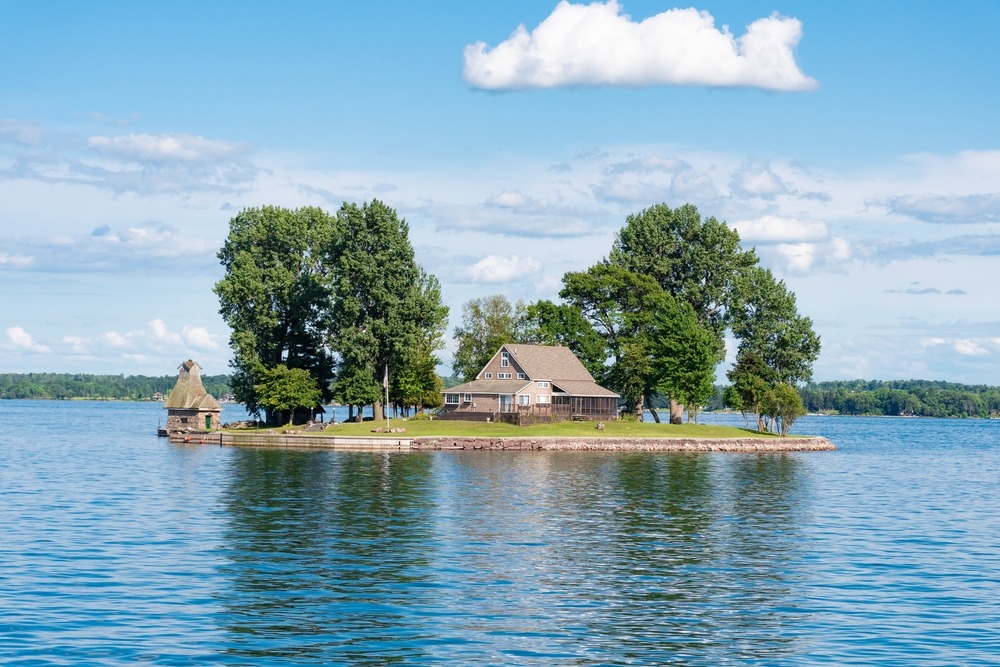
Mille Îles
Archipel binational du Saint-Laurent entre Kingston et Brockville : châteaux, parc national de 1904, kayak, voile et plongée sur épaves historiques.
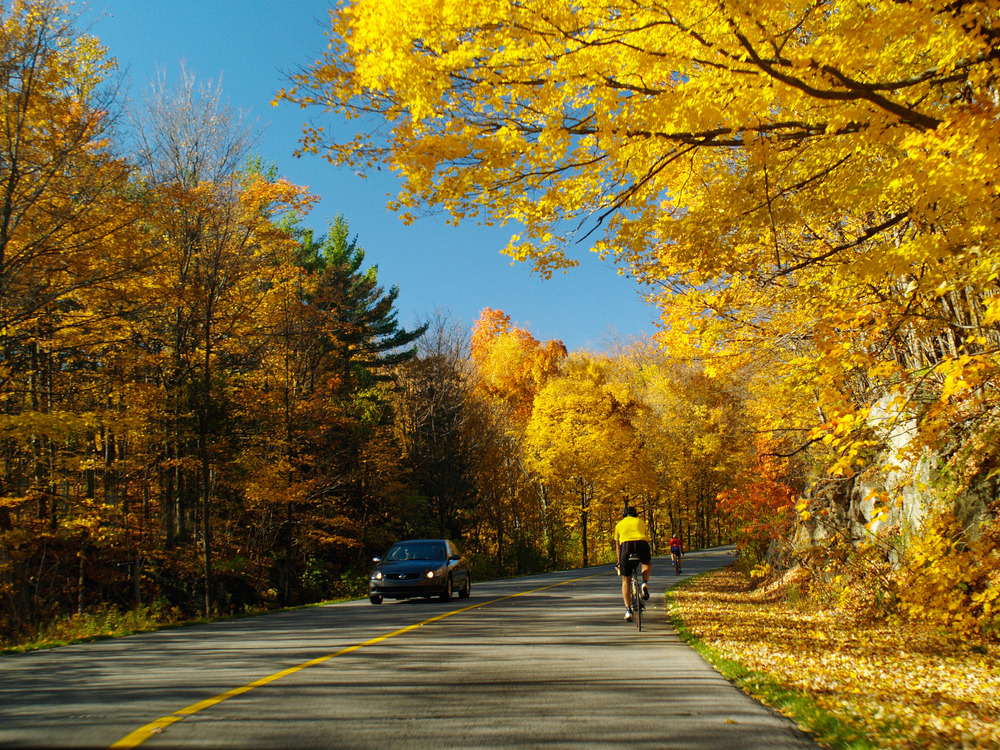
Le parc de la Gatineau
Aux portes d'Ottawa, le parc de la Gatineau réunit 360 km² de forêts, lacs et sentiers, avec randonnée, baignade et l'un des plus grands réseaux de ski de fond d'Amérique du Nord.
Want to discover this destination?
Our local advisors design your tailor-made trip.