Wild Pacific Trail
Wild Pacific Trail
Coastal trail on the Ucluelet peninsula: Amphitrite lighthouse loop, centuries-old red cedars, whale watching and Pacific storm views.
Traced along the west coast of the Ucluelet peninsula in British Columbia, the Wild Pacific Trail ranks among the most renowned coastal trails on Vancouver Island. Over several kilometres, it follows an exposed shoreline where temperate rainforest meets the Pacific Ocean, with sections accessible to all hiking levels.
Why visit the Wild Pacific Trail
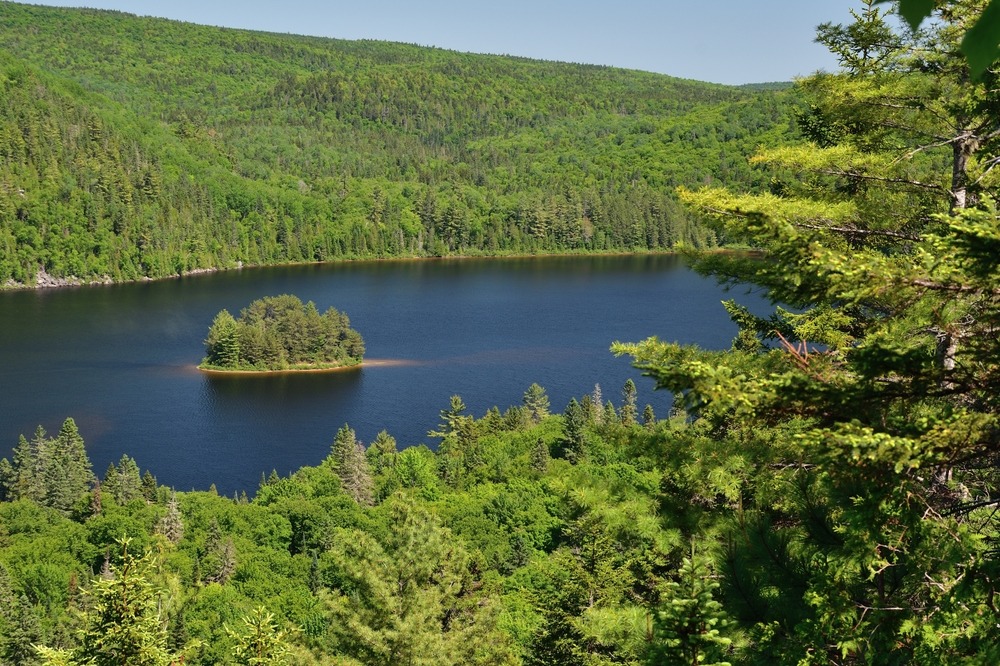
The trail combines several attractions rarely found on a single route: rocky headlands facing the Pacific, old-growth red cedar forest with trees over a thousand years old, possible whale sightings offshore, views of Amphitrite Lighthouse, and interpretive panels from the Yuułuʔiłʔatḥ First Nation. The route works equally well as a one-hour stroll or as a full day of hiking segmented into several loops.
Trail history
The Wild Pacific Trail was born from the initiative of one man. After settling in Ucluelet in 1979 as an oyster farmer from Colorado, Jim Martin, nicknamed Oyster Jim, envisioned a hiking trail along the peninsula's shoreline. It took him sixteen years of efforts before obtaining final project approval. The Wild Pacific Trail Society was created shortly after, and the lighthouse loop was built in 1999, largely by hand by Jim Martin himself.
The trail has gradually expanded with the addition of new sections, viewpoints, and interpretive segments. It now crosses federal, provincial, municipal, private, and First Nations lands, and a future extension toward Pacific Rim National Park is being considered.
Trail sections
The lighthouse loop
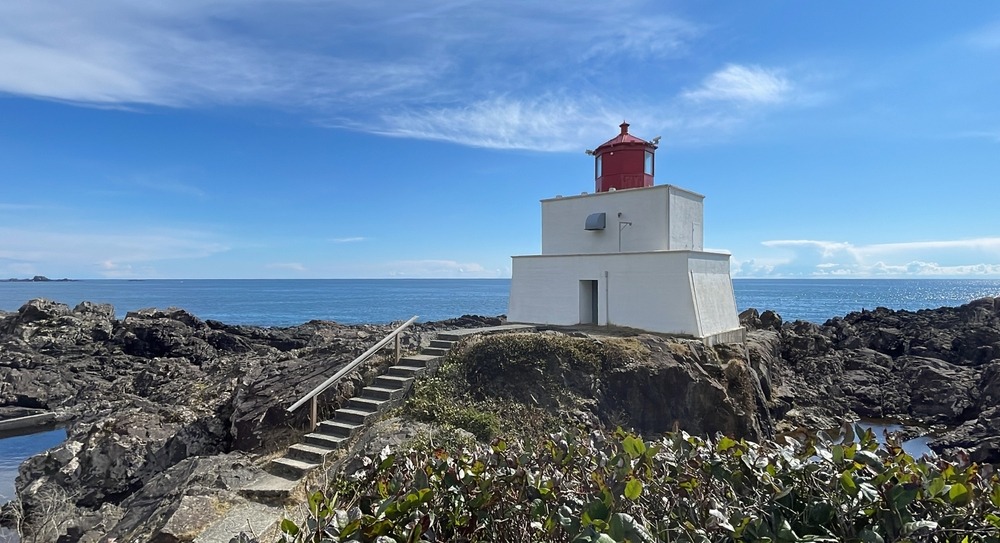
This 2.5 km circuit follows rocky headlands and offers clear views of Barkley Bay and Amphitrite Lighthouse, built in 1906 and rebuilt in 1915 to better withstand storms. Allow 45 to 60 minutes of walking, with several viewpoints and benches along the way. Secure observation areas allow viewing the shoreline even during severe storms. A branch extends the walk toward the Terrace Beach interpretation trail, a former canoe site of the Yuułuʔiłʔatḥ First Nation, where panels trace a history spanning more than 5,000 years.
Big Beach and Rocky Bluffs
This 2.75 km section starts from Big Beach Park and follows cliffs heading north. The trail winds through trees sculpted by wind before reaching several viewpoints overlooking the ocean. The artist's loop, branching from this section, brings hikers closer to the shoreline and reveals channels and coastal formations. Near Big Beach, interpretation panels recount the history of a shipwreck from the early twentieth century, reminding visitors that this coastline was nicknamed the Pacific's graveyard.
The ancient cedar loop
This 1 km loop, set in the heart of old-growth rainforest, provides access to Western red cedars among the peninsula's oldest. Two specimens are estimated at over 800 years, one measuring more than 12 metres in circumference at its base. Yuułuʔiłʔatḥ interpretation panels, accompanied by an audio box, explain the cedar's central role in the culture and daily life of this First Nation.
When to visit
Whale migration (March-April)
In spring, approximately 20,000 gray whales pass through waters off Ucluelet during their migration to Alaska. The trail's rocky headlands offer direct observation points from shore. Seals, sea lions, and bald eagles are also visible along the route.
Storm season (October to April)
From October to April, winter storms are part of the experience. Waves crash against cliffs and attract visitors each year specifically for this phenomenon. Several viewpoints are designed to allow safe observation; nonetheless, it is essential to remain on the marked trail.
Summer (June to September)
Summer remains the mildest season for exploring all sections. Each summer, the Wild Pacific Trail Society offers free guided walks with a naturalist, covering the peninsula's natural and cultural history and suitable for both adults and children.
Practical information
The trail is open year-round and remains passable even in wet conditions thanks to the canopy of temperate rainforest. A few points to keep in mind:
- Stay on the marked trail: exposed rocks are buffeted by waves and can be slippery.
- Bicycles, horses, and motorized vehicles are not permitted.
- In strong winds or severe storms, certain sections may close due to falling tree hazards.
- Dogs are allowed but must be leashed: bears are occasionally reported in the area.
- The Wild Pacific Trail sits on the traditional territory of the Yuułuʔiłʔatḥ First Nation, and respect for this is expected from all visitors.
How to get there
From Ucluelet's centre, follow Peninsula Road then turn onto Coast Guard Drive, which leads directly to the parking area and starting point of the lighthouse loop. A second parking lot is available north of Black Rock Resort on Marine Drive for access to the Big Beach section. Ucluelet is located approximately 40 minutes by road from Tofino via Highway 4, the only route serving Vancouver Island's west coast.
Nearby
The Ucluelet peninsula is part of a larger coastal area comprising several other interesting stops:
- Tofino, a surf village and departure point for whale and black bear tours.
- Parksville, on the island's east coast, a useful stop between Nanaimo and the Pacific coast.
- Cowichan Bay, a maritime village in the south of the island, renowned for its farm products.
Frequently asked questions
Frequently asked questions
Plan your trip
The Wild Pacific Trail integrates easily into an itinerary combining Vancouver Island, Pacific Rim National Park, and the Tofino-Ucluelet region. To build a custom trip including this stop, explore our Canada travel packages.
Interested in this visit?
We can include it in your personalised itinerary.