St. John's
St. John's
St. John's, capital of Newfoundland & Labrador, reveals colourful houses, Atlantic cliffs, whales and lively pubs. Our complete guide to preparing your stay.
St. John's bears no resemblance to any other Canadian city. Capital of Newfoundland & Labrador, it carries the traces of one of North America's longest histories. Its cultural energy and neighbourhood vitality often surprise first-time visitors.
The Past and Present of St. John's
St. John's ranks among the oldest places frequented by Europeans in North America. From the turn of the 16th century, fishermen drawn by the riches of the Grand Banks of Newfoundland established their first seasonal camps here. Legend has it that John Cabot entered the harbour on June 24, 1497, the feast day of Saint John, thus giving the city its name. Over the centuries, the Dutch, French and British fought for control of the city, until the Battle of Signal Hill in 1762 returned it permanently to the British.
Looking forward without denying its past, St. John's gained international recognition in the early 20th century, notably as the departure point for the first non-stop transatlantic flight in 1919. Hit hard in the 1990s by the collapse of the cod fishery, the city rebounded through offshore oil exploitation, which restored genuine economic vitality to the provincial capital.
What to See and Do in St. John's?
Plan two days to explore St. John's at your own pace. Historic sites, colourful neighbourhoods and natural spaces unfold along the capital's steep streets. In the evening, George Street and its Screech In await you.
Downtown and Neighbourhoods
Jelly Bean Row—those vividly painted houses clinging to the hillside—gives downtown an immediately recognizable visual character. Duckworth and Water Streets concentrate cafés, used bookshops and art galleries.
The Rooms
On rainy days, this vast provincial cultural complex is an excellent way to immerse yourself in the history and culture of Newfoundland & Labrador. Archives, museum and art gallery coexist under one roof, with a remarkable view of the harbour from the café.
Quidi Vidi
Just minutes from downtown, this small fishing village has preserved its authentic character. Home to an artisanal microbrewery, local artist studios and Mallard Cottage, whose kitchen revisits the province's traditional flavours with sophistication.
Historic Sites
Signal Hill
Dominating the city and ocean, Signal Hill is one of St. John's most historically significant locations. Its trails offer exceptional views of the Atlantic, and local wildlife—whales, birds and foxes—are sometimes visible. It was from this hill that Marconi received in 1901 the very first transatlantic wireless telegraph signal, a founding moment in the history of global communications. Before leaving, a stop at the Newfoundland Chocolate Café is a must.
Johnson GEO CENTER
Carved directly into the rock of Signal Hill, this science centre takes you on a journey into the Earth's depths. Provincial geology, petroleum exploration and space conquest feature in its interactive exhibitions.
Nature and Outdoor Activities
Cape Spear
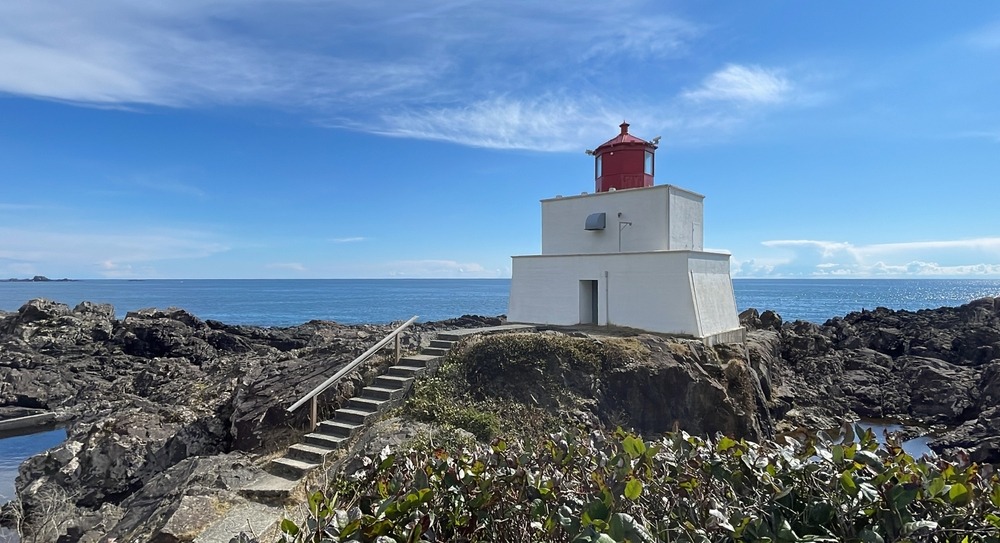
The most easterly point of the North American continent, Cape Spear offers coastal trails facing the Atlantic and boat excursions to observe whales in season. The site is also home to Newfoundland's oldest lighthouse, now converted into a museum dedicated to the lives of its keepers.
Petty Harbour
This fishing village, a few kilometres from Cape Spear, is worth the trip. Here you'll find:
- Enjoy fish and chips at one of the harbour's fine establishments
- Watch for drifting icebergs offshore in season
- Try the zip-line installed in the surrounding heights for the more adventurous
Trails
St. John's is a city made for walking. Two trail networks stand out:
- Grand Concourse Walkways: over 120 km of trails connecting parks, rivers and lakes throughout the city
- East Coast Trail: starting from Petty Harbour or Maddox Cove, offering some of the region's most rugged coastal panoramas
Parks and Green Spaces
Just steps from downtown, this park surrounded by colonial architecture buildings features a swimming pool, splash pads and regularly hosts festivals.
Pippy Park
More extensive, it immerses visitors in authentic boreal forest where camping, hiking or golfing are possible, about twenty minutes' walk from downtown.
Memorial University Botanical Garden
At the heart of Pippy Park, this garden offers:
- Flowering pathways, vegetable gardens and boreal forest trails
- Rotating temporary exhibitions
- On-site dining options
Gastronomy and Nightlife
St. John's culinary scene is generous and rooted in tradition. No shortage of establishments, from simple tables serving authentic Newfoundland cuisine to more elaborate restaurants that revisit local produce with creativity. Must-try: fish and chips, a staple in this fishermen's city, and locally produced craft beers. In the evening, George Street concentrates most of the nightlife, with bars and pubs where local jazz, rock and folk musicians perform in a relaxed atmosphere.
When to Visit?
St. John's climate is reflective of the city itself: frank and straightforward. Harsh winters, mild summers and frequent fog characterize this capital, renowned as Canada's foggiest city, shaped by the combined influences of the Labrador Current and the Gulf Stream.
- Spring (March to May): temperatures still cool, ranging from −5 to 11 °C. Snow is still possible in March and April. However, this is the ideal season for observing icebergs drifting offshore.
- Summer (June to August): best period. Temperatures pleasant, ranging from 6 to 21 °C, with up to 7 hours of sunshine daily. June is the driest month of the year. Heat and sunshine peak in July and August.
- Autumn (September to October): mild temperatures, ranging from 4 to 17 °C, with beautiful fall colours. Precipitation gradually resumes and winds strengthen.
- Winter (November to March): reserved for experienced travellers. Negative temperatures, significant snowfall reaching up to 335 cm annually and sustained winds are on the agenda.
Getting Around
- By air: St. John's International Airport (YYT) offers regular domestic flights to Canada's major cities. Metrobus line 14 connects to downtown and principal destinations in the metropolitan area. The service is accessible to persons with reduced mobility.
- By ferry: Crossing from Nova Scotia is possible via two departure points, Port aux Basques on the island's west or Argentia, closer to St. John's on the Avalon Peninsula's south. An ideal option for those wishing to bring their vehicle.
- By car: St. John's is the eastern terminus of the Trans-Canada Highway, the route linking the entire country from ocean to ocean. A journey requiring ample time and preparation, but one road-trip enthusiasts will appreciate.
Downtown St. John's is easily navigable on foot. For sites farther afield such as Cape Spear or Petty Harbour, car rental remains the most practical option.
- By public transit: Metrobus serves the municipalities of St. John's, Mount Pearl and Paradise with 22 lines and over 900 stops, covering downtown, Memorial University and Avalon Mall.
- By taxi or rideshare: Uber is available in St. John's and offers a convenient alternative to traditional taxis, at any hour.
- By bike: electric bicycle rentals are available downtown to reach destinations such as Cape Spear or Signal Hill independently.
Want to discover this destination?
Our local advisors design your tailor-made trip.