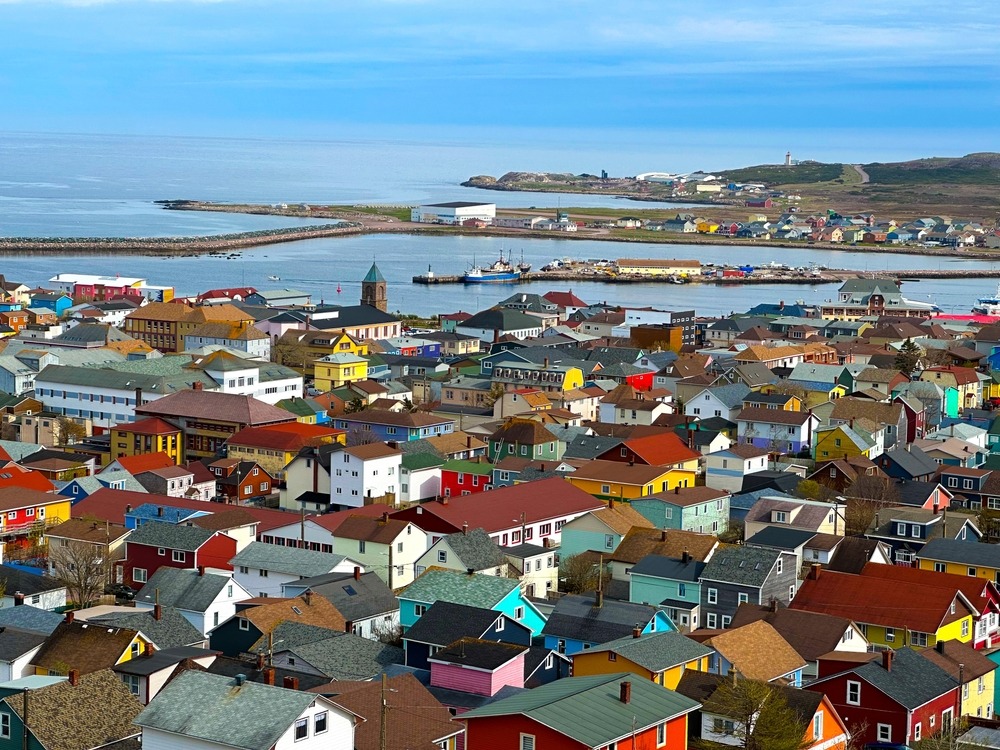
Skagway
Skagway
At the head of Lynn Canal, Skagway preserves the spirit of the Gold Rush: Broadway 1898, White Pass railway and Chilkoot Trail. Our complete guide.
Situated at the head of Chilkat Inlet, Skagway is one of Alaska's most visited destinations. Its reputation rests on a rare blend of history, architecture, and authenticity, attracting hundreds of thousands of visitors each year, particularly through cruise itineraries.
History
Skagway takes its name from the Tlingit word Shgag̱wéi, meaning "rough water" or "turbulent water." Beginning in 1897, the town served as a departure point for over 40,000 prospectors heading to the Yukon during the Klondike Gold Rush. Today, the historic storefronts, wooden sidewalks, and costumed inhabitants along Broadway evoke this vibrant past, with several buildings now part of the Klondike Gold Rush National Historical Park.
What to See in Skagway?
Downtown is easily explored on foot, with most attractions concentrated within a few blocks.
- Broadway Avenue is Skagway's heart. More than 20 historic buildings are preserved here by the National Historical Park, including the Moore House, Jeff Smith's Saloon, and the Mascot Saloon. Park rangers give talks seasonally.
- The Mascot Saloon, now converted into a museum by the National Park Service, chronicles the dissolute life of the era. Curiosity: it is today one of Alaska's rare establishments that no longer serves alcohol.
- The Arctic Brotherhood Hall is perhaps Alaska's most photographed building, with its facade covered in thousands of pieces of driftwood. It now houses the visitor information center.
- Moore Farm, dating from 1887, is Skagway's oldest building. The surrounding lawn marks the starting point of the Dead Horse Trail.
- The Corrington Museum, located in the Golden North Hotel, displays a remarkable collection: mammoth tusks, mastodon teeth, woven baskets, and engraved walrus ivory. The Skagway Museum, in the McCabe Building, covers local history and Native American craftsmanship.
- The Days of '98 show, performed for over 100 years, blends gambling simulation, poetry by Robert Service, and melodrama centered on Soapy Smith.
- The Gold Rush Cemetery, 2.4 kilometers from downtown, holds the graves of Soapy Smith and Frank Reid. A trail leads from the site to Reid Falls, which cascade down the mountainside for 90 meters.
- Dyea, a few kilometers from Skagway, is a ghost town with period cabins and the Slide Cemetery. Guided hikes are offered seasonally.
What to Do in Skagway?
- The White Pass & Yukon Route railway is the most popular excursion. This narrow-gauge line climbs 914 meters over 32 kilometers with views of Glacier Gorge, Dead Horse Ravine, and Bridal Veil Falls. Multiple options are available, from half-day to full-day trips, with hiking, camping, and connections to the Yukon.
- The Chilkoot Trail, 53 kilometers following the prospectors' route, can be completed in three to five days or as a day hike. A stop at the Trail Center is essential before departure.
- Laughton Glacier is accessible by train then a 4-kilometer hike. A lodge managed by the U.S. Forest Service allows overnight stays.
Other activities available from Skagway include helicopter excursions with dog sledding on a glacier, sea kayaking in the Inside Passage, rafting on the Taiya River, biking and mountain biking, gold panning, and wildlife photography to observe bald eagles and bears.
When to Visit?
The best period runs from June to August, with temperatures between 17 and 18°C and long daylight hours. This is also peak season, marked by the arrival of cruise ships. May and September offer a quieter atmosphere, though nights are cool. From November to March, temperatures drop below freezing and tourism offerings are severely limited.
Skagway is accessible by several transport modes, which is remarkable for a town this size in Alaska.
- By air: Juneau, Alaska's capital, is the main air gateway, 45 minutes by flight. Whitehorse, in the Yukon, is an alternative for travelers from Canada, approximately 110 miles by road.
- By road: The South Klondike Highway connects Skagway to the Yukon and the contiguous 48 states, open year-round. Crossing the Canada-U.S. border requires a passport or equivalent travel document.
- By ferry: The Alaska Marine Highway serves Skagway from Bellingham, Washington, passing through numerous southeastern Alaska communities.
- By cruise ship: This is the most common arrival mode, with over one million visitors annually. Skagway is one of the most visited stops on the Inside Passage, with up to five ships per day during peak season.
Skagway is essentially a walkable town. Downtown is easily explored on foot and most attractions are accessible without a vehicle.
- By shuttle: A service connects the dock to Broadway during cruise stops. An on-demand shuttle also serves the surrounding areas, including Dyea, year-round.
- By car: Rental agencies are available for independent exploration of the region, including the Klondike highway toward the Yukon.
- By motorcoach: A seasonal service connects Skagway to Whitehorse via Fraser, British Columbia and Carcross, Yukon.
Attractions in Skagway
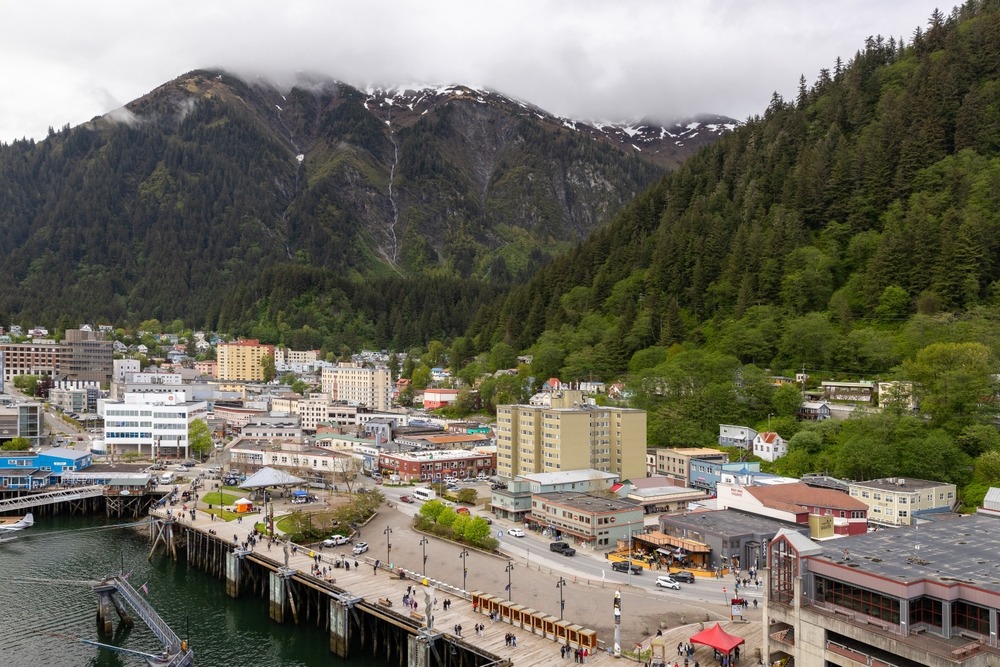
Juneau
Capitale de l'Alaska sur le canal de Gastineau, Juneau associe glaciers, faune marine, culture tlingit et héritage minier, dans un cadre accessible uniquement par air ou par mer.
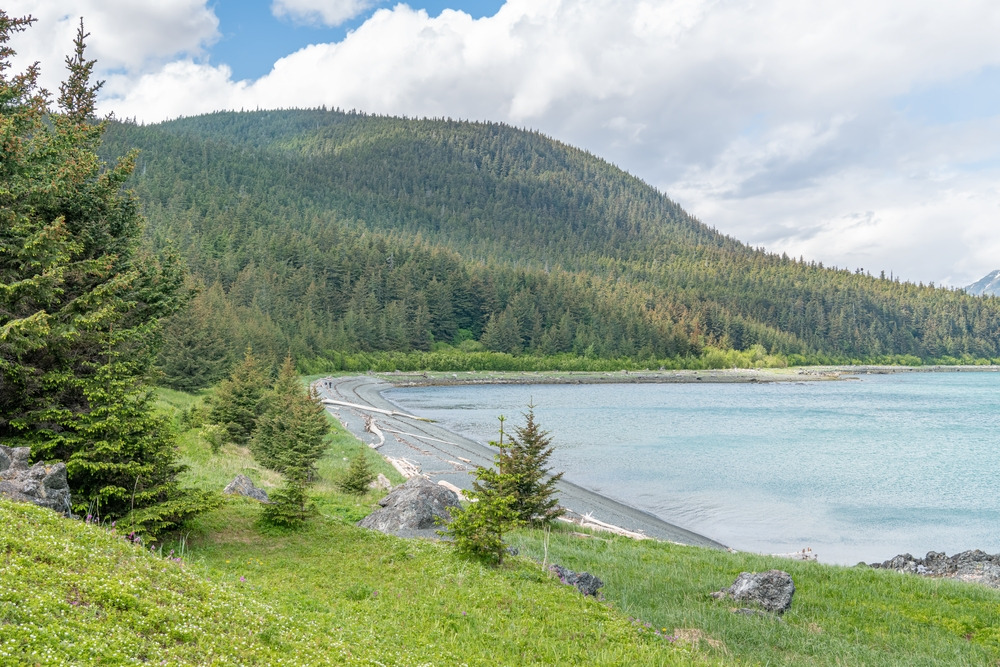
Parc d’État de Chilkat
À 11 km de Haines, en Alaska, le parc d'État de Chilkat couvre 4 000 hectares de forêts, plages et glaciers, à deux pas de la frontière canadienne.
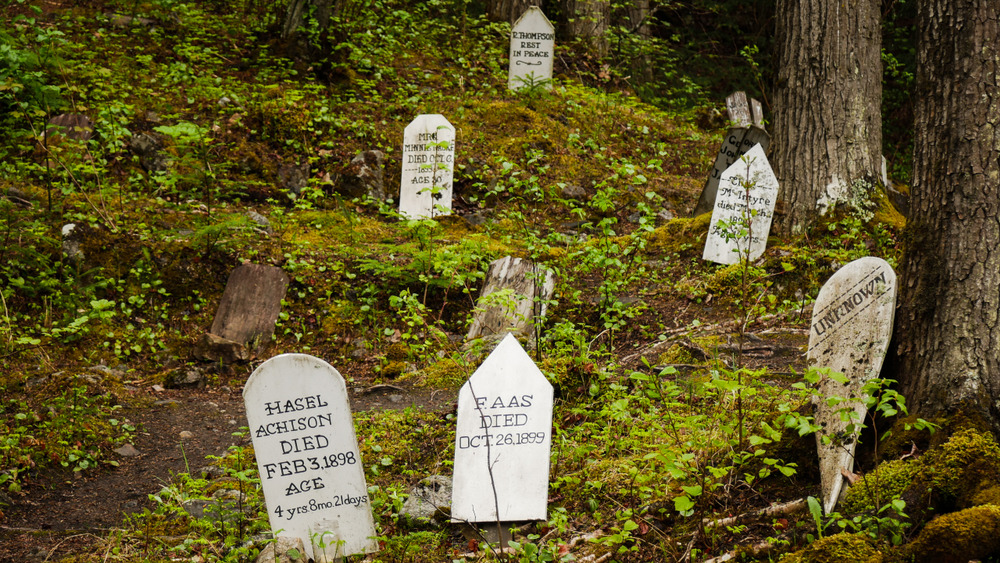
Cimetières de la ruée vers l’or
À 2,5 km du centre de Skagway, le cimetière de la ruée vers l'or réunit pionniers et figures du Klondike, dont Soapy Smith, Frank Reid et Martin Itjen.
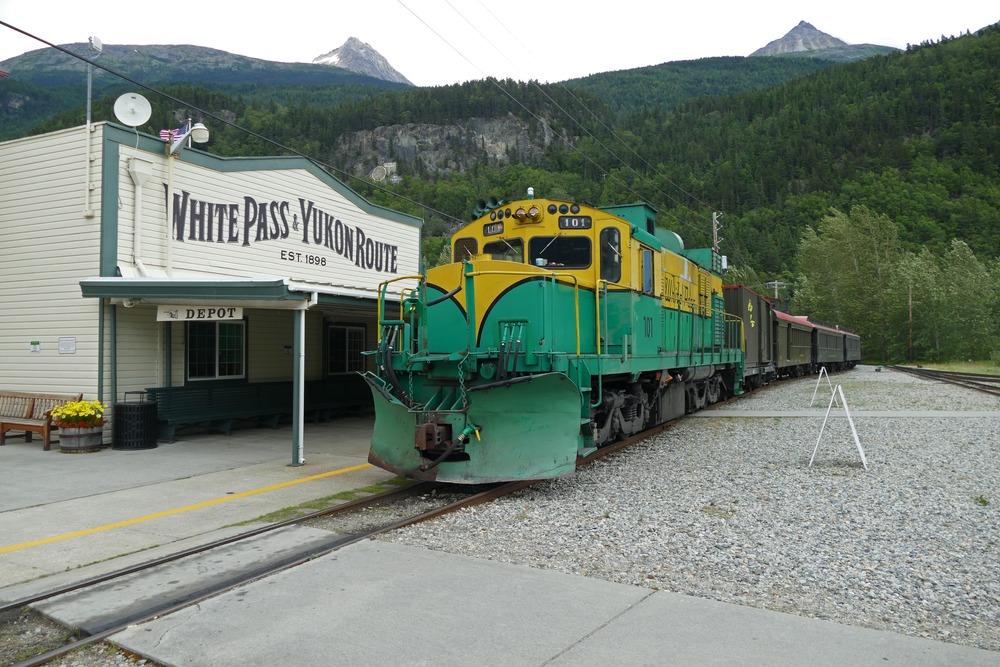
White Pass & Yukon Route Railway
Construit en 1898 pour la ruée vers l'or, le White Pass & Yukon Route relie Skagway à Carcross à travers cols et ravins. Itinéraires, histoire et conseils.
Want to discover this destination?
Our local advisors design your tailor-made trip.