Montreal
Montreal
Montreal is experienced as much as it is visited: Old Port, Mount Royal, Plateau, festivals, gastronomy. The practical guide to organizing your stay.
Montreal unfolds as a city to live in as much as to visit. The English-speaking metropolis of North America, it blends urban energy, culture and way of life in a singular balance. At its heart, Mount Royal structures the landscape and offers natural respite, accessible on foot or by bicycle, without ever leaving the city.
From neighborhood to neighborhood, Montreal reveals a living and plural identity. Urban parks, developed waterfronts, cycling paths and cultural spaces shape daily life, while the gastronomic and artistic scene reflects the city's diversity. Between wandering, cultural discoveries and outdoor moments, Montreal offers a fluid urban experience, accessible and deeply rooted in its territory.
Montreal, historical landmarks
Well before the city's founding, the Island of Montreal is occupied by Indigenous peoples who make it a place of life, exchange and resources. In 1535, Jacques Cartier discovers the Iroquoian village of Hochelaga and names the nearby hill Mount Royal. The founding of Ville-Marie in 1642 marks the beginning of Montreal's colonial history, initially conceived as a missionary colony before becoming a major center of the fur trade.
Under British rule from 1760, the city transforms profoundly. Thanks to its strategic position on the Saint Lawrence River, Montreal establishes itself in the 19th century as a major commercial, industrial and financial hub. The growth of the port, railways and major institutions accompanies rapid population and territorial expansion, making Montreal Canada's metropolis for several decades.
Montreal today
An English-speaking city of North America, Montreal today stands out for its plural identity, shaped by migrations, cultural heritage and constantly renewed creativity. After the major transformations of the 20th century, the metropolis has reinvented itself, investing in cultural industries, innovation, education and urban quality of life.
Recent transformations of the urban landscape, the development of transportation, cultural districts and public spaces testify to this constant renewal. Both rooted in its history and looking to the future, Montreal asserts a singular, dynamic and accessible personality, making it one of the most vibrant and attractive cities on the continent.
What to see in Montreal?
Montreal reads through its contrasts. An island city between the Saint Lawrence River and Mount Royal, it blends historical heritage, distinctive neighborhoods and varied urban landscapes. Discovery often begins with Old Montreal, the historic heart with cobblestone streets and heritage buildings, before continuing toward a more vertical downtown, marked by its cultural institutions and contemporary spaces.
Around this nucleus, each neighborhood asserts its personality. Mount Royal, a natural and symbolic landmark, structures the whole and offers a privileged vantage point over the city.
Among the major landmarks that shape the Montreal landscape:
- Mount Royal and its viewpoints
- the Old Port and riverbanks
- emblematic neighborhoods such as Plateau-Mont-Royal, Mile End or the Entertainment District
What to do in Montreal?
In Montreal, visiting quickly becomes an experience. The city unfolds through the seasons, encounters and daily uses, with significant attention given to culture and outdoor activities.
Green spaces invite walking, cycling or relaxation, while Mount Royal offers year-round activities, from trails and panoramas to moments of pause. As weather improves, the city comes alive around terraces, markets and a dense cultural program; in winter, it keeps its energy through urban activities and seasonal events.
Several emblematic experiences punctuate your stay:
- stroll through neighborhoods and settle on a terrace
- enjoy parks and Mount Royal in every season
- discover the cultural, artistic and gastronomic scene
In Montreal, you don't just observe the city: you settle into it, even briefly, to feel its rhythm and atmosphere.
Climate and seasons in Montreal
Montreal experiences four well-defined seasons, with sharp contrasts between winter and summer. These variations strongly influence the city's atmosphere and possible experiences depending on the period of your stay.
Key climate points:
- Winter: long and rigorous, from late October to late April, with often negative temperatures and abundant snowfall.
- Spring: short and unstable, with a progressive transition toward more pleasant conditions.
- Summer: warm and sometimes humid, often from mid-June, with high temperatures in July and August.
- Fall: cool and luminous, appreciated for its moderate temperatures and spectacular Indian summer colors.
When to visit?
The period from June to September is generally the most favorable for discovering Montreal. Summer offers ideal conditions for visiting, a lively atmosphere and particularly rich cultural programming. September is also a fine alternative, with milder weather and slightly lower visitor numbers.
An internationally well-served destination, Montreal is easily accessible from Canada, the United States and abroad. The city offers numerous transportation options to reach downtown quickly.
- By plane: Montreal-Trudeau International Airport (YUL) is located about 20 km from downtown. The 747 shuttle, operating 24/7, connects the airport directly to downtown in 45 to 60 minutes.
- By train: VIA Rail service connects Montreal from numerous Canadian cities, arriving at Central Station. Amtrak connections also link the city to the United States.
- By car: Montreal is accessible via an extensive road network and several bridges and tunnels.
- By boat: the Grand Quai terminal in the Old Port welcomes cruises and travelers.
- By coach: numerous carriers serve the Coach Station, connected to the Berri-UQAM metro station.
Montreal is easily discovered thanks to an efficient transportation network and neighborhoods pleasant to explore on foot or by bicycle.
- By public transit: the metro and buses allow you to quickly reach major neighborhoods and points of interest, while connecting to the downtown underground network.
- By bicycle: with over 750 km of cycling paths and the BIXI service, cycling is a preferred mode of transportation.
- On foot: many neighborhoods are perfect for walking, from the Old Port to Plateau-Mont-Royal.
- By car or taxi: useful for reaching outlying areas or venturing from downtown.
- By boat: river shuttles connecting the Old Port to Jean-Drapeau Park, Longueuil and other points on the river.
Accommodation in Montreal
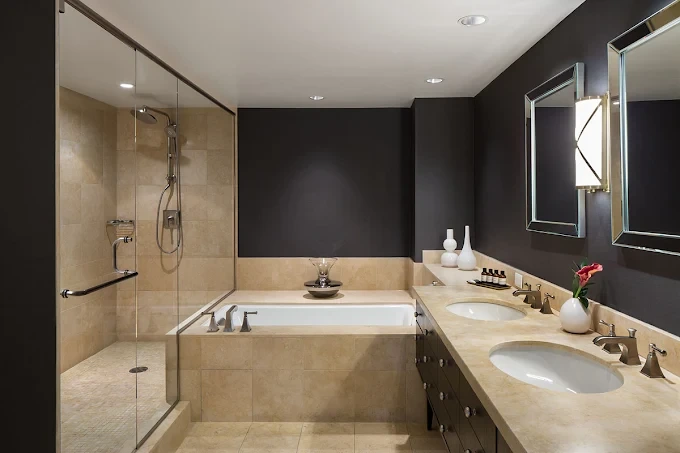
Fairmont Le Reine Elizabeth
Hôtel cinq étoiles inauguré en 1958 au cœur de Montréal, le Fairmont Le Reine Elizabeth réunit 950 chambres, un spa et quatre adresses de restauration.
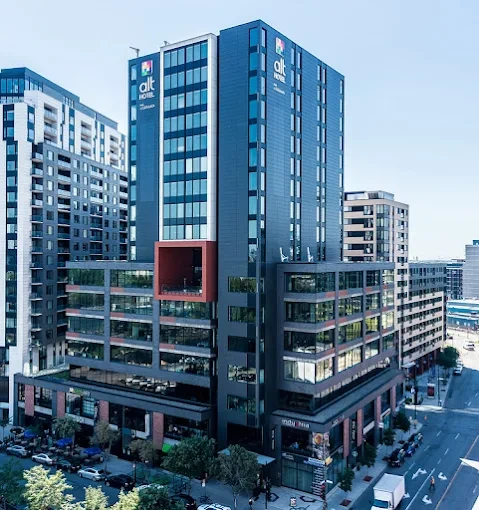
Alt Griffintown
Hôtel contemporain à l'angle des rues Peel et Wellington, dans le quartier Griffintown de Montréal — entre Vieux-Montréal, centre-ville et canal de Lachine.
Want to discover this destination?
Our local advisors design your tailor-made trip.