Parc National du Bic
Parc National du Bic
Just 15 km from Rimouski, Parc National du Bic protects a dramatic coastline of headlands and islands on the St. Lawrence River, rich in marine wildlife, trails and viewpoints.
Parc National du Bic stretches along an intricate coastline of headlands, bays and islets at the mouth of the St. Lawrence River estuary, roughly fifteen kilometres west of Rimouski. Managed by Sépaq, it combines coastal landscapes, marine wildlife and hiking trails across a territory inhabited by humans for more than 8,000 years.
Why visit Parc du Bic
The park concentrates several distinct environments within a compact area: rocky headlands buffeted by sea spray, sheltered bays, salt marshes, mixed forests and flowering meadows. This diversity explains its rich wildlife: seals visible from the shoreline, moose, lynx and porcupines, plus over 200 bird species recorded here, including the eider duck emblematic of the estuary.
The terrain offers sweeping views across the river, notably from Pic Champlain (346 m), the park's highest point. The coastal islands — Île aux Amours, Île Brûlée, Île du Massacre — bear names rooted in regional history and shape the shoreline's silhouette.
History of the territory
The Bic area has been a passage for First Nations peoples for over 8,000 years, who hunted, fished and made stops here during their travels along the St. Lawrence. From the French period onward, the natural harbour attracted settlers and navigators; in the 19th and early 20th centuries, Bic became a summer retreat where a few historic cottages still line the coast.
The site gained official protection in 1984, then became a national park in 2001. Today it is managed by Sépaq, the Quebec agency responsible for national parks.
What to see and do
Hiking and viewpoints
The trail network covers all difficulty levels. The Sentier du Contrebandier winds through forested terrain steeped in local history, while the climb to Pic Champlain reaches the park's 346 m summit with panoramic views over the estuary and islands. The Raoul-Roy lookout is a prime spot for observing migratory birds in spring.
Sea kayaking
Paddling beneath the headlands and between islets lets you approach seal colonies and observe seabirds from water level. Local operators offer guided excursions from the park.
Cycling
Summer brings 15 km of dedicated cycling trails through the park. Winter sees an additional 13 km maintained for fat biking, an activity still uncommon in Quebec's parks.
The coastal islands
Île aux Amours, Île Brûlée and Île du Massacre can be observed from shoreline trails and by kayak. Their names reflect historical and folkloric tales unique to the Lower St. Lawrence region.
When to visit
- Summer (June to August): peak season with full services, ideal conditions for hiking, kayaking and seal watching.
- Spring: migratory bird passage; observe from the Raoul-Roy lookout.
- Autumn: fall colours in the mixed forests, lighter crowds.
- Winter: snowshoeing, cross-country skiing and fat biking on open sections; confirm seasonal opening dates with Sépaq.
Practical information
The park is open year-round, though certain areas and services operate seasonally. Entry is paid for adults, with free access for young visitors under a specified age threshold (check Sépaq's website for current policy). Plan a half-day for a brief visit, or one to two full days to combine hiking, kayaking and wildlife observation.
Camping, glamping and cottages are available in the park during season, bookable through Sépaq. For current rates and hours, consult the manager's official website.
How to get there
Access is via Route 132, between Rimouski and Saint-Fabien. The main entrance at Rivière-du-Sud-Ouest is about 15 km from Rimouski. A secondary entrance at Cap-à-l'Orignal opens seasonally. Rimouski connects to Quebec City via Route 20 (roughly 3 hours) and has a railway and bus station.
Nearby attractions
- Pointe-au-Père Maritime Site in Rimouski: historic lighthouse, Empress of Ireland museum and Onondaga submarine, twenty minutes' drive away.
- Rimouski: waterfront promenade, restaurants and urban services.
- Saint-Fabien-sur-Mer: neighbouring coastal hamlet with views over Anse à Mercier.
- Further along the St. Lawrence, the Île aux Coudres extends your estuary exploration.
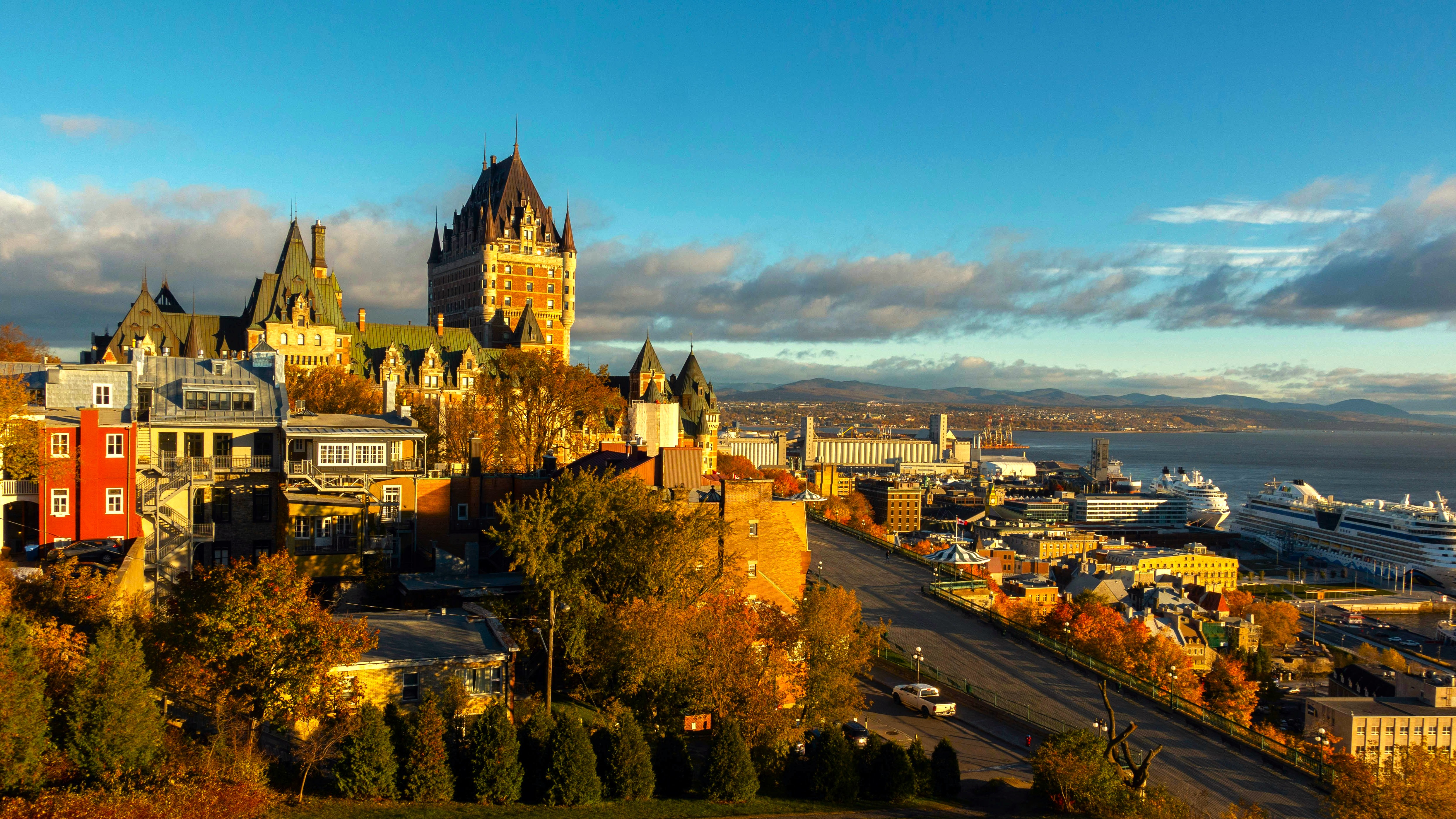
- For Quebec heritage enthusiasts, the Château Frontenac and Parc des Champs-de-Bataille in Quebec City are roughly 3 hours' drive.
Frequently asked questions
Frequently asked questions
Plan a half-day for a brief visit focused on one trail and viewpoint. To combine hiking, kayaking and wildlife observation, allow one to two full days.
Yes, harbour seals and grey seals frequent the park's shorelines and islets. They can be observed from certain headlands and coastal trails, and more closely on guided sea kayak outings.
Entry is paid for adults, with free access for children under Sépaq's current age policy. Rates may change, so check Sépaq's official website before your visit.
The park offers camping, glamping and cottages during season, bookable through Sépaq. Rimouski and Saint-Fabien provide additional lodging options (hotels, guesthouses, inns) nearby.
Part of the park remains open in winter for snowshoeing, cross-country skiing and fat biking on 13 km of trails. Seasonal opening dates vary with conditions; confirm with Sépaq.
Plan your trip
Parc du Bic fits naturally into an itinerary along the St. Lawrence, between Quebec City and the Gaspésie. To build a bespoke journey, explore our Canada travel packages.
Interested in this visit?
We can include it in your personalised itinerary.