Pacific Rim National Park Reserve
Pacific Rim National Park Reserve
A 511 km² national park reserve on the west coast of Vancouver Island: temperate rainforest, Long Beach, Broken Group Islands and West Coast Trail.
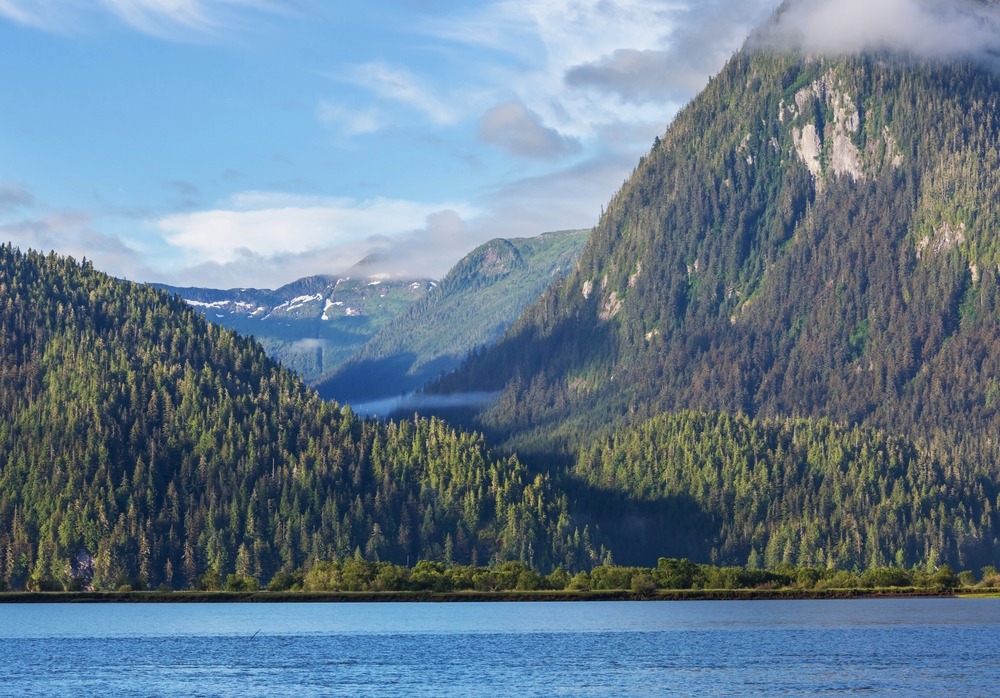
Pacific Rim National Park Reserve stretches along the west coast of Vancouver Island, British Columbia, where temperate rainforest meets the Pacific Ocean. Homeland of the Nuu-chah-nulth people, the park is rooted in a cultural history that far predates the first maps of the island. Long-distance hikers, surfers, kayakers and beachcombers move through it without the impression of sharing the same territory.
Why visit Pacific Rim Reserve
The reserve covers 511 km² divided into three distinct units along the coast. Long Beach, the most accessible unit, stretches between Tofino and Ucluelet, from Cox Bay to Halfmoon Bay. Further south, the Broken Group Islands comprise about a hundred islets scattered across Barclay Sound. Finally, the West Coast Trail follows 76 km of wild coastline southwest of the island.
This diversity offers multiple ways to experience the park: a day on sandy beaches, a kayaking expedition, or a multi-day self-guided trek. The reserve also lies on the migration routes of orcas, humpback whales and grey whales, making it a recognized wildlife viewing destination.
History and Nuu-chah-nulth territories
Seven Nuu-chah-nulth nations consider these lands part of their unceded traditional territories. Early discussions about a national park date back to 1929, but it was the construction of Highway 4 in 1959, connecting Tofino to Port Alberni, that accelerated things.
The influx of visitors in the 1960s led to rapid beach degradation: wild camping, waste buried in sand, makeshift driftwood shelters. Driven notably by provincial MP Howard McDiarmid, the local community mobilized to demand federal protection. Negotiations were lengthy: the two levels of government clashed over size, costs and forestry rights. The reserve was officially inaugurated in 1971 in the presence of Princess Anne. The final land transfers weren't settled until 1988, and the reserve was formally included in the National Parks Act in 2000.
What to see and do in the reserve
Wildlife and flora
The temperate rainforest is dominated by western hemlock, Sitka spruce and giant arborvitae, which thrive in the cool, humid climate. The understory is carpeted with sphagnum moss, lichens and ferns. The reserve also protects Cheewhat Giant, a western red cedar considered among Canada's largest known trees.
For terrestrial wildlife: black bears, cougars, Roosevelt elk and martens in the forest; cutthroat trout, red-legged frogs and river otters in lakes and wetlands. The intertidal zone is one of the richest in the park, with anemones, ochre sea stars, sea urchins, crabs and native bivalves like butter clams and Olympia oysters. Kelp forests offshore shelter Steller sea lions and seals.
Long Beach
The most visited unit. Approximately 22 km of beaches line the shore, with 16 km of fine sand:
- Wickaninnish Beach: powerful waves, frequented by surfers and storm-chasing enthusiasts
- Long Beach: long expanse of fine sand, ideal for walking and cycling on the ʼapsčiik t̓ašii trail (Indigenous name)
- Combers Beach: wilder beach, prized for its tranquility
- Florencia Bay: calmer waters, suited for kayaking and paddleboarding
Nine marked trails totaling 12 km allow exploration of the forest and shoreline. Kwisitis Welcome Centre offers guided cultural tours that illuminate the territory and heritage of the Nuu-chah-nulth First Nations.
Broken Group Islands
About a hundred islets scattered across Barclay Sound make up this wild and seldom-visited archipelago. Kayaking is the primary means of access and exploration. Camping sites are available on certain islands for those wishing to extend the experience over several days.
West Coast Trail
At 76 km long, this trail ranks among the most demanding hikes on Canada's west coast. Plan 5 to 7 days to walk it entirely. The route crosses traditional territories of several First Nations and alternates dense forests, marshes and isolated beaches. Cable cars and boat crossings allow passage across major rivers along the way. The trail requires good fitness, appropriate gear and a Parks Canada permit.
When to visit
The reserve can be visited year-round, with very different experiences depending on season:
- Mid-March to mid-April: grey whale migration along the coasts, a sought-after period for wildlife enthusiasts
- May: good alternative to summer, with pleasant conditions and far fewer visitors
- June to August: most suitable period for outdoor activities, with summer temperatures of 15 to 20 °C
- Winter: storm season, with waves reaching 6 to 10 meters during heavy swells; the park lends itself to observing ocean fronts from sheltered viewpoints
How to get there
Each unit of the reserve has its own access route.
Long Beach
- By car via Highway 4: approximately 3.5 hours from Nanaimo, 5 hours from Victoria, 2 hours from Port Alberni
- By plane from Vancouver: approximately 1 hour of flight to Tofino Airport
- By ferry then car: reach Nanaimo from the mainland coast, then continue via Highway 4
Broken Group Islands
Accessible only by boat. Several local operators provide transport from Port Alberni, Ucluelet and Bamfield. Reservations are recommended in high season.
West Coast Trail
The trail has two entry points. In the north, departure is from Bamfield, accessible from Port Alberni by car or ferry. In the south, departure is from Port Renfrew, approximately 2 hours' drive from Victoria via Highway 14.
Practical information
- Permits and entry fees: a Parks Canada pass is required for Long Beach. The West Coast Trail and Broken Group Islands require specific permits with seasonal quotas.
- Reservations: for the West Coast Trail and Broken Group camping, reservations are made through the Parks Canada system, generally several months in advance.
- Coastal safety: tides, driftwood and rip currents are to be taken seriously. Check tide times before any beach activity.
- Wildlife: encounters with black bears or cougars are possible. Store food in designated containers and follow local guidelines.
- Accommodation: park campgrounds should be reserved in advance. Lodge and hotel options are concentrated in Tofino and Ucluelet.
In the area
Tofino, north of Long Beach, is the preferred base for surfers and whale-watching trips. Ucluelet, to the south, offers a quieter atmosphere and access to the Wild Pacific Trail, a looped coastal path. On Highway 4, a stop at Cathedral Grove (MacMillan provincial park) allows you to walk beneath hundred-year-old Douglas firs. To further explore Canada's great spaces, other reserves are worth visiting, from the Banff National Park in the Rockies to Forillon National Park in the Gaspésie region, including Bic National Park on the St. Lawrence River.
Frequently asked questions
Frequently asked questions
Grey whale migration follows the reserve's coasts from mid-March to mid-April. Humpback whales and orcas can be spotted later in the season on boat trips departing from Tofino or Ucluelet.
The West Coast Trail requires good fitness and self-guided hiking experience. Plan 5 to 7 days, with ladder climbs, cable cars and muddy sections. A permit is mandatory and spots are limited.
Yes. Coach services and flights from Vancouver serve Tofino. On-site, seasonal shuttle services run between Tofino, Ucluelet and main points of interest on Long Beach. For Broken Group, access is by water taxi from nearby ports.
Planning your trip
Pacific Rim Reserve naturally fits into an itinerary combining Vancouver Island and British Columbia. To build a tailor-made stay incorporating Tofino, the Rockies or the east coast, explore our Canada travel packages.
Interested in this visit?
We can include it in your personalised itinerary.