Sea to Sky Highway
Sea to Sky Highway
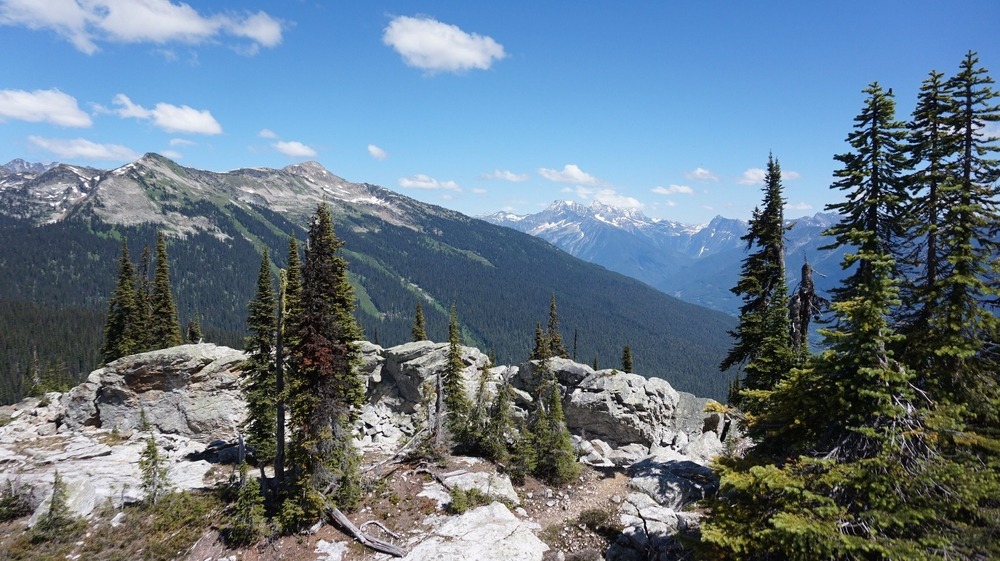
From Horseshoe Bay to Lillooet, Highway 99 links the Pacific to the Coast Mountains over nearly 300 km, passing through Squamish culture, Shannon Falls and Whistler.
The Sea to Sky Highway, or Highway 99, connects Horseshoe Bay to Lillooet over nearly 300 km, with approximately 120 km running between the Pacific Ocean and the peaks of the Coast Mountains as far as Whistler. The route traverses several successive landscapes: coastal fjords, rainforests, snow-capped summits, then increasingly arid valleys as you approach the gold rush country.
Why drive the Sea to Sky Highway
This British Columbia corridor brings together three dimensions rarely found on the same stretch: a fjord-lined coast along Howe Sound, living Squamish and Lil'wat Indigenous heritage, and direct access to outdoor sites such as Shannon Falls, the Stawamus Chief, or the Whistler Blackcomb resort. The highway is also well-equipped for electric vehicles, integrated into the West Coast Green Highway, a charging corridor linking San Diego to Whistler.
History of Highway 99
Before it was a highway, this corridor was already a path. The route partly follows the Semiahmoo trail, a route used by the Salish Indigenous peoples long before European settlers arrived.
The Pacific Highway, built in the 1910s to link Vancouver to Seattle, laid the first foundations of this roadway. The route was officially numbered 99 and inaugurated on October 16, 1940, named in honor of King George VI. The route gradually extended from Horseshoe Bay in the 1950s to Squamish, Whistler, then Pemberton, with the extension to Lillooet being incorporated in 1992.
In preparation for the 2010 Olympic Games, a major reconstruction costing 600 million dollars widened several sections and improved safety, resulting in a 66% reduction in accidents. On the broader Highway 99 network, an eight-lane submerged tunnel is planned for 2030 to replace the George Massey Tunnel, located south of Vancouver.
Must-see stops along the route
Horseshoe Bay
The starting point of the highway, this West Vancouver village is home to the BC Ferries terminal serving Vancouver Island. There is a marina, several diving centers and a few restaurants specializing in fish and chips.
The Squamish cultural corridor
Howe Sound, known as Átl'ka7tsem in the Squamish language — which translates as "paddling up the sound" — was an essential maritime route for Indigenous peoples. Cultural kiosks designed in the shape of a traditional cedar hat of the Coast Salish line the route between Horseshoe Bay and Whistler. They share legends, language and traditional knowledge of the Squamish Nation. The journey culminates at the Squamish Lil'wat Cultural Centre in Whistler, dedicated to the cultures of both nations.
Porteau Cove
Porteau Cove Provincial Park, overlooking Howe Sound, offers picnic areas and camping spots. The site provides access to swimming, diving and kayaking, depending on wind and tide conditions. The Anvil and Defense islands, visible from the park, hold cultural significance for the Squamish Nation.
Britannia Beach
The Britannia Mine, once one of Canada's largest copper mines, has been converted into a heritage site. It offers interactive exhibitions on geology, sciences and environmental restoration, as well as the BOOM! show, presented in the former ore processing plant.
Shannon Falls
Near Squamish, Shannon Falls Provincial Park provides access to a 335-meter waterfall, one of the highest in the region. The site is accessible from the parking lot beside Highway 99.
Squamish
Squamish is a natural stopping point for outdoor enthusiasts. The Stawamus Chief Park trail, 6.5 km long, is one of the most popular in the region, best suited for hikers in good physical condition due to its elevation gain. The Sea to Sky gondola provides access to observation platforms, hiking trails and interpretive circuits at altitude.
Whistler
Whistler is renowned for its Whistler Blackcomb ski resort, one of the largest in North America. The town also offers a rich cultural and gastronomic scene — galleries, restaurants, nightlife — making it a year-round destination.
Pemberton
Further north, Pemberton offers a different pace. Its agricultural lands and valleys framed by mountains contrast with the bustle of Whistler. It is a popular stop for those seeking to escape the most crowded routes.
Lillooet
The road to Lillooet marks a gradual change in landscape, from coastal rainforest to a drier environment characteristic of the gold rush region. Lillooet is also recognized as a territory of great importance to the St'át'imc First Nations.
When to go
- Summer (June to September): clear weather conditions, ideal for scenery and outdoor activities. High traffic, particularly on weekends.
- Autumn (October to November): remarkable foliage on wooded slopes, moderate visitor numbers. Early snows can appear at altitude as early as October.
- Winter (December to March): guaranteed snowfall, winter tires or chains required from October 1 to April 30. Whistler Blackcomb ranks among the most popular ski resorts in Western Canada.
- Spring (April to May): snowmelt and gradual resumption of activities. Variable conditions depending on altitude.
Before hitting the road
- Fuel and charging: there are no gas stations between Horseshoe Bay and Squamish. Fill up before leaving West or North Vancouver. Electric vehicle drivers benefit from the West Coast Green Highway, a charging corridor linking San Diego to Whistler.
- Parking: spaces are limited at trail access points and in parks along the route. An early departure generally helps avoid congestion. Local signage must be strictly observed.
- Traffic: traffic increases noticeably on weekends. A weekday or early morning departure remains the best option.
- Safety: weather can change rapidly at altitude. Check forecasts and road conditions before departing. Winter tires are required from October 1 to April 30; if renting, verify with the rental company that the vehicle meets this requirement.
How to get there
The starting point is at Horseshoe Bay, about 30 minutes' drive from downtown Vancouver via Highway 1. Highway 99 then continues north through Squamish (1 hour), Whistler (1h45-2 hours) and Pemberton, before reaching Lillooet (4-5 hours from Vancouver depending on conditions). Driving is the most flexible mode of transport; regular shuttles also operate between Vancouver and Whistler.
Nearby
To extend your itinerary across British Columbia and beyond, several stops complement the Sea to Sky Highway:
- Historic Hat Creek, a former gold rush route stop, east of Lillooet.
- Cowichan Bay and Parksville, on Vancouver Island, accessible from the BC Ferries terminal at Horseshoe Bay.
- Radium Hot Springs, in the Canadian Rockies, to extend your journey eastward.
- Miles Canyon, further north in Yukon, for those continuing toward the northern wilderness.
Frequently asked questions
Frequently asked questions
Plan for approximately 1h45 to 2 hours without stops between Horseshoe Bay and Whistler (120 km), and 4 to 5 hours to Lillooet (nearly 300 km). With stops at Shannon Falls, Britannia Beach and Squamish, plan for at least a full day.
Yes, Highway 99 remains open year-round. Winter tires or chains are required from October 1 to April 30. Check road conditions before departing, as weather can change rapidly at altitude.
No gas stations are available between Horseshoe Bay and Squamish. Fill up before leaving Vancouver. Electric vehicles have charging stations available through the West Coast Green Highway.
Regular shuttles connect Vancouver to Whistler via Squamish. To explore parks and trails independently, a car remains more practical.
Summer (June to September) offers the clearest conditions for hiking and outdoor activities. Autumn appeals for its foliage and moderate crowds, while winter is best for skiing at Whistler Blackcomb.
Plan your trip
The Sea to Sky Highway naturally fits into a broader circuit across Western Canada, between Vancouver, Vancouver Island and the Rockies. To build a custom itinerary including this route, explore our Canada travel packages.
Interested in this visit?
We can include it in your personalised itinerary.