Historic Hat Creek
Historic Hat Creek
A former stagecoach relay on the Cariboo Wagon Road, Historic Hat Creek Ranch preserves period buildings, an Indigenous village and landscapes of interior British Columbia.
On the plateaus of southern British Columbia, the Historic Hat Creek Ranch preserves one of the last authentic relay stations of the Cariboo Wagon Road, the route travelled by gold seekers in the nineteenth century. The site sits at the confluence of Hat Creek and the Bonaparte River, 11 km north of Cache Creek, and combines period buildings, an Indigenous village and themed accommodation.
Why visit Hat Creek
The ranch is a rare heritage complex where you can see, on a single site, the architecture of mid-nineteenth-century stagecoach relays, elements of St'at'imc and Secwepemc peoples' culture, and the typical landscape of interior dry British Columbia. Unlike many reconstructed Canadian historic sites, several buildings are original, dating from the 1860–1901 period. The visit appeals equally to families and enthusiasts of railway history, Indigenous cultures, or the Canadian West.
The ranch and the Cariboo Wagon Road
Hat Creek owes its existence to the Cariboo Gold Rush, triggered in 1858. To transport men and goods to gold-panning zones in the north, colonial authorities built the Cariboo Wagon Road, completed in 1865. The ranch, situated at the junction of this road and a secondary route to Lillooet, became a strategic stopping point for B.C. Express Line stagecoaches, nicknamed the BX, which halted there to change horses and refresh travellers.
The buildings visible today were erected between 1860 and 1901: the main roadhouse, barns, stables and outbuildings form a representative ensemble of the utilitarian architecture of period relay stations. The ranch also functioned as a livestock operation for over a century.
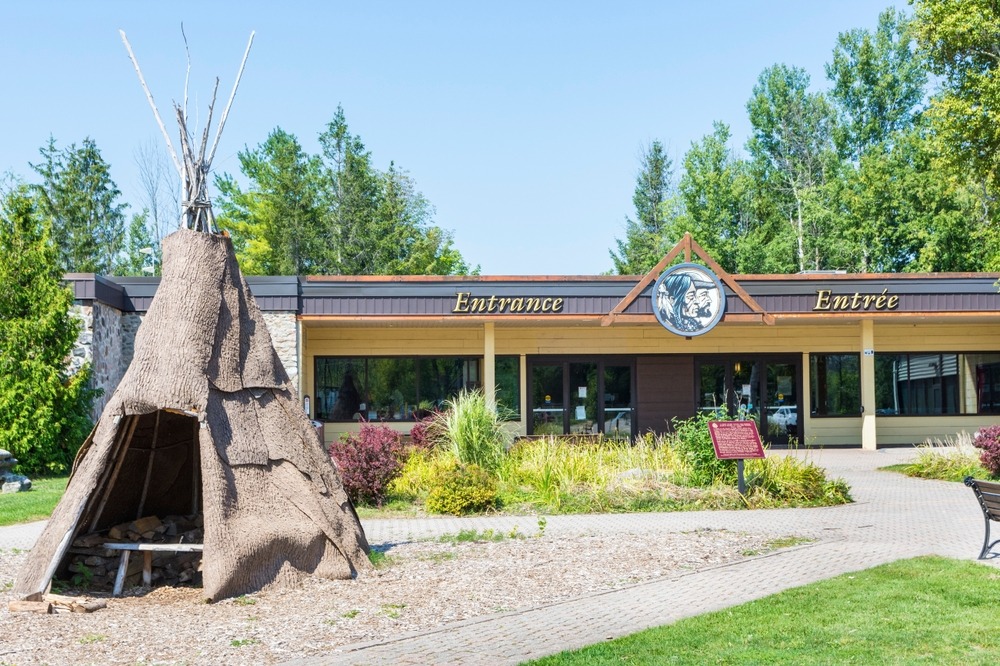
The site is equally anchored in the territory of the St'at'imc and Secwepemc peoples, who were present in the region long before settler arrival. Part of the visit is devoted to their way of life, traditional dwellings and know-how.
What to see and do on site
- The roadhouse and period buildings: furnished interiors, kitchens, bedrooms and stagecoach office, interpreted by costumed guides.
- The Indigenous village: reconstruction of semi-underground dwellings (kekuli) and presentations on St'at'imc and Secwepemc cultures.
- Horse-drawn stagecoach rides, which follow a section of the old road.
- Craft demonstrations: blacksmith work, wood-fired bakery, leatherworking.
- Interpretation trails through the meadows and along Hat Creek.
- The stable panorama and collection of horse-drawn vehicles, including restored BX stagecoaches.
Accommodation and practical information
The ranch offers on-site accommodation in themed formats: covered pioneer-style wagon, rustic log cabin or camping pitch. This is an appealing option for extending your visit and enjoying the site in the evening, when day-tour groups have departed.
Entry fees remain moderate, with reductions for children, students and seniors, and free admission for young children. Plan 2 to 4 hours for a visit depending on activities chosen. Free parking accommodates cars, motorcycles and RVs. Address: 3484 Old Cariboo Road.
When to visit
Historic Hat Creek Ranch is open seasonally only, from May to September, due to the continental climate of interior British Columbia. July and August are the warmest months, sometimes exceeding 30°C, with maximum activities and demonstrations. May, June and September offer quieter crowds, milder temperatures and beautiful light on the hills. Outside these months, the site is closed to the public.
How to get there
The ranch is located 11 km north of Cache Creek, at the junction of highways 97 and 99. A car is essential.
- From Kamloops: approximately 1.5 hours via Highway 1 then Highway 97.
- From Vancouver: 5 to 6 hours via the Trans-Canada Highway (Hwy 1) to Cache Creek, then Highway 97 North.
- From Whistler or Lillooet: via Highway 99, a scenic route but more winding.
The site entrance is clearly signposted from the main road.
What to see in the region and elsewhere in Canada
The Cache Creek region lends itself well to an itinerary combining history, desert landscapes and wide open spaces. Further east, Banff National Park remains the major stop in the Canadian Rockies. To extend the cultural and Indigenous dimension of your journey, the Uplands Cultural and Heritage Centre offers another perspective on the country's first peoples.
Frequently asked questions
Frequently asked questions
Planning your trip
Hat Creek fits well into a broader circuit in western Canada, between Vancouver, the Rockies and interior British Columbia. To build a bespoke itinerary, explore our Canada travel suggestions.
Interested in this visit?
We can include it in your personalised itinerary.