Wendake
Wendake
Twenty minutes from Quebec City, Wendake is the territory of the Huron-Wendat Nation: museum, reconstructed village, immersive evening experience and traditional crafts.
About twenty minutes from downtown Quebec City, Wendake is the territory of the Huron-Wendat Nation. Established here since the mid-17th century, the community maintains a living heritage accessible through its museum, reconstructed traditional site, crafts and forest trails. Wendake means "among the Wendats" and today comprises approximately 1,500 residents, who welcome up to 300,000 visitors annually according to Tourisme Wendake figures.
Why visit Wendake
Wendake offers one of the most direct access points to the history and culture of First Nations in the Quebec City region. The territory can be explored on foot in its historic section, allowing you to visit the museum, a reconstructed Wendat village, craft shops and Kabir Kouba waterfall in half a day. The community also offers outdoor activities along the Akiawenrahk' River, as well as an immersive evening experience designed by Moment Factory. Altogether, this makes for a complementary stop on a Quebec City visit without requiring complex logistics.
History of the Huron-Wendat Nation
Before the arrival of Europeans, peoples of the Wendat Confederacy occupied Huronia, a vast territory located southeast of Lake Huron, in present-day Ontario. Speaking an Iroquoian language and living a semi-sedentary lifestyle, these communities lived by agriculture, hunting, fishing and gathering. The Wendats relocated approximately every 15 years to allow soil and resources to regenerate. In the mid-17th century, they animated an extensive trade network around Lakes Huron, Ontario and Erie.
Epidemics introduced by Europeans, rivalries related to the fur trade and the influence of Jesuit missionaries weakened this confederacy. In 1648, the Iroquois, armed with firearms, invaded Huronia. A group of survivors and their descendants founded the community in 1697, then called Hurons of Lorette, the origin of present-day Wendake. The reserve, within its current boundaries, was established by the Indian Act of 1876, and the community celebrated its 300th anniversary in 1997.
What to see and do in Wendake
Old Wendake, to the south, concentrates most of the attractions and can be explored on foot. Its streets are lined with historic homes—some dating back nearly three centuries—craft shops and restaurants. The northern section, more recent, mixes 1970s bungalows, contemporary homes and activity zones.
The Huron-Wendat Museum
Housed in the Hôtel-Musée Premières Nations, the Huron-Wendat Museum features permanent and temporary exhibits devoted to the history, arts and culture of the Wendat people and other First Nations. The Ekionkiestha' national longhouse, adjacent to the museum, recreates pre-contact housing. The museum also offers craft workshops (making a talking stick or traditional necklace) and evening storytelling gatherings around the fire, featuring tales and songs.
The Huron Onhoüa Chetek8e Traditional Site
This reconstructed Wendat village is explored with a guide in approximately one hour. The experience covers traditional housing, meat smoking and drying, medicine, canoe and snowshoe making, as well as the daily life of the Nation from yesterday to today. In summer, additional activities are offered: crafts, archery, tales and legends.
Onhwa Lumina
Designed by Moment Factory, this immersive 1.2 km evening journey winds through the forest with sound and light inspired by ancestral songs and the values of the Huron-Wendat Nation. Each stop explores an aspect of Wendat cosmology and history.
Religious and artistic heritage
The Notre-Dame-de-Lorette church and the Wendat people mural are two important stops for understanding local heritage during a walk through Old Wendake.
Outdoor activities and water sports
The Akiawenrahk' River linear park offers a 32 km trail suitable for hiking and biking, following the banks through changing landscapes. The Corridor des Cheminots, a 22 km bike and pedestrian path, also crosses the community. On the river, canoes, kayaks and stand-up paddleboards are available for rent to explore the shoreline. Kabir Kouba waterfall is just steps from the downtown area.
Craft shops and Hannenorak bookstore
Several craft shops line Old Wendake's streets. You'll find jewelry, moccasins, dream catchers and rawhide snowshoes, as well as contemporary creations showcasing Wendat craftsmanship. The Hannenorak bookstore stands out for its section dedicated to First Nations literature, perfect for extending your visit with further reading.
When to visit Wendake
Wendake is worth visiting year-round, with each season offering its own programming:
- Summer: International pow-wow, gathering of Indigenous nations around traditional dance and song competitions.
- Fall: Rendez-vous des artisans et artistes de Wendake, celebrating craft traditions of Quebec's First Nations.
- Winter: Dog sledding races and cold-season activities.
- Year-round: Onhwa Lumina, the immersive evening forest journey.
Practical information
Plan for approximately half a day for Old Wendake and the museum, and a full day if you add the traditional site, Onhwa Lumina and a walk along the river. Admission prices vary (moderate entry for the museum and village, higher ticket for Onhwa Lumina); consult official websites for hours and ticketing at the time of your visit. Most activities are available in French and English.
How to get to Wendake
By car
Car remains the most direct option: expect about twenty minutes from downtown Quebec City. For travelers without a vehicle, a daily car rental allows you to combine Wendake with other regional sites.
By bus
The Réseau de transport de la Capitale (RTC) serves the community from Quebec City. The journey is longer than by car; it's best to consult current schedules on the RTC website before departure.
By shuttle
In high season, Tourisme Wendake operates a round-trip shuttle between Old Quebec, the Quebec City Port cruise terminal and Wendake—a practical solution for visitors without a vehicle.
Nearby
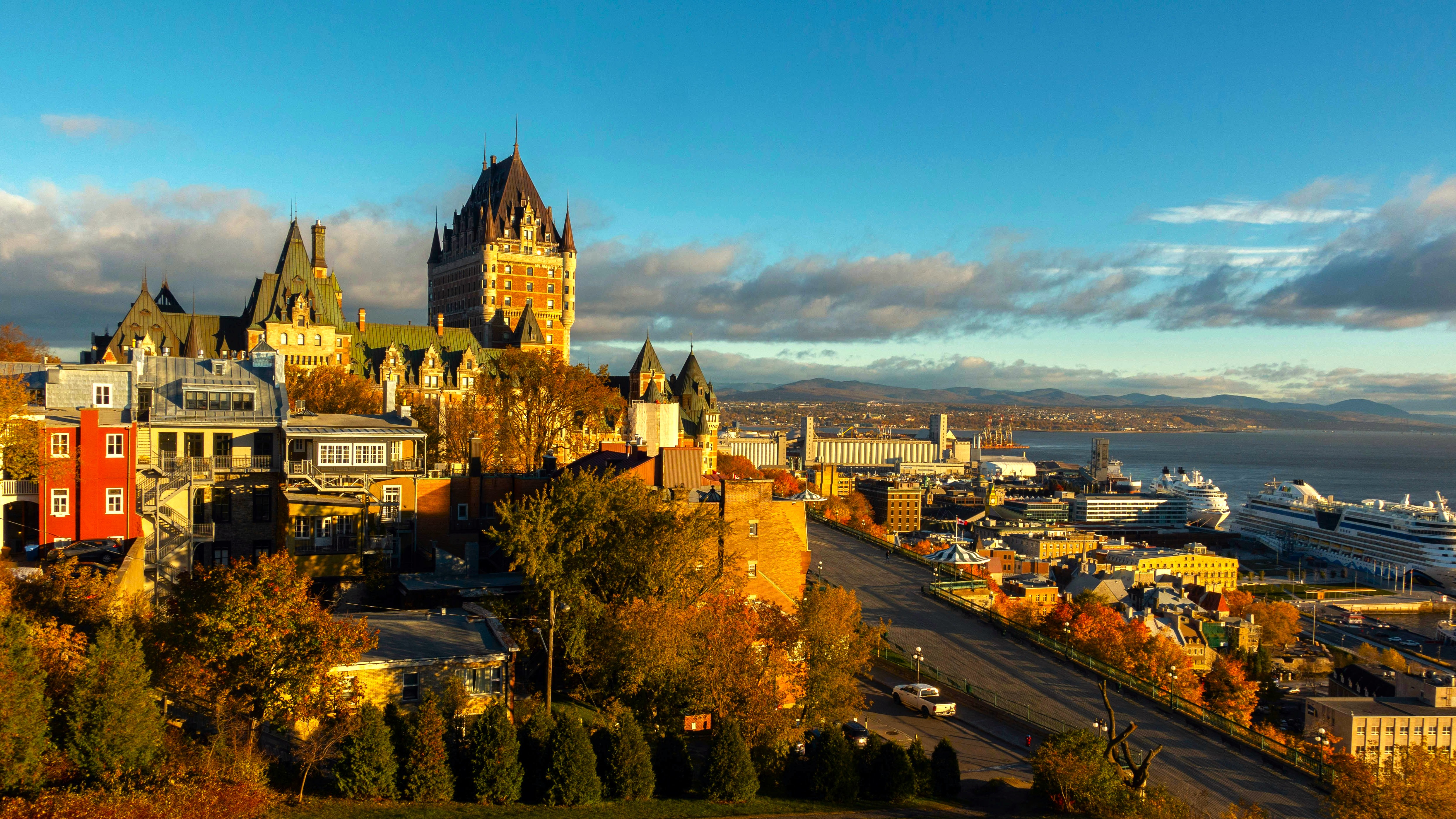
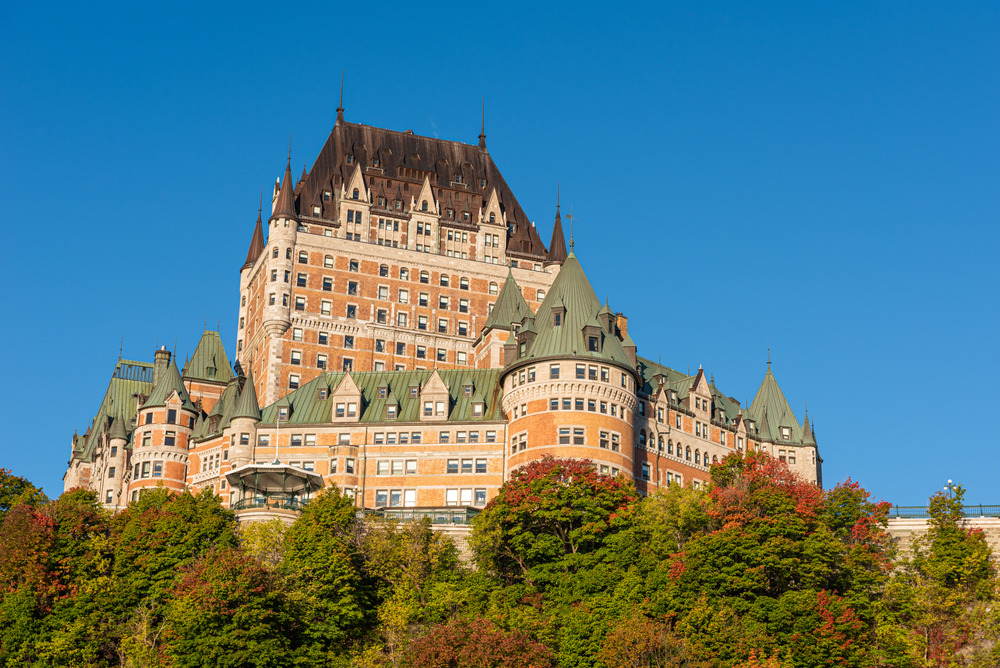
Wendake integrates easily into an itinerary departing from Quebec City. About twenty minutes away, the Château Frontenac and Old Quebec offer a contrast to the Indigenous history explored at Wendake. To continue on the nature side, the Jacques-Cartier National Park offers glacial valleys and outdoor activities less than an hour's drive away. Further west, Île aux Coudres and Mauricie National Park round out a Quebec circuit between heritage and wilderness.
Frequently asked questions
Frequently asked questions
Wendake is located approximately 20 minutes by car from downtown Quebec City, on the territory of the Huron-Wendat Nation.
Half a day is enough to explore Old Wendake and the Huron-Wendat Museum. Plan a full day if you add the Huron Onhoüa Chetek8e Traditional Site, Onhwa Lumina in the evening and a walk along the river.
Yes. The Réseau de transport de la Capitale (RTC) serves the community year-round. In high season, Tourisme Wendake also offers a shuttle between Old Quebec, the cruise terminal and Wendake.
Wendake means "among the Wendats" in the Wendat language. The community was founded in 1697 under the name Hurons of Lorette and celebrated its 300th anniversary in 1997.
Summer for the international pow-wow and outdoor activities, fall for the artisans' gathering, winter for dog sledding races. Onhwa Lumina is accessible year-round.
Plan your trip
To integrate Wendake into a broader itinerary combining heritage, wilderness and First Nations culture, explore our Canada travel experiences.
Interested in this visit?
We can include it in your personalised itinerary.