Jacques-Cartier National Park
Jacques-Cartier National Park
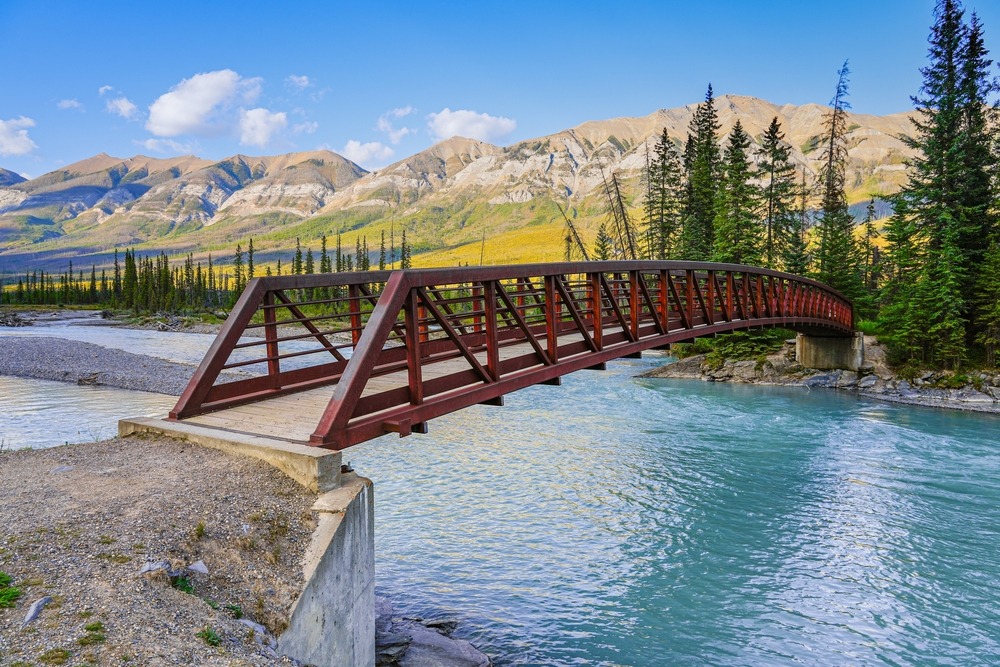
Located 40 km from Quebec City, Jacques-Cartier National Park protects a glacial boreal valley ideal for hiking, canoeing and winter sports.
Jacques-Cartier National Park stretches roughly forty kilometres north of Quebec City, across a Laurentian plateau carved by a deep glacial valley. The Jacques-Cartier River traces a long line between wooded slopes that rise more than 500 metres above the valley floor. Managed by Sépaq, the park offers one of the most direct gateways to boreal forest from the provincial capital.
Why visit the park
Its proximity to Quebec City — less than an hour's drive — makes this park a natural stop for those wishing to experience boreal forest without venturing on a long journey into the Far North. The contrast between the black spruce of the heights and the deciduous forest of the valley floor gives the site its distinctive character: a subarctic landscape framing a waterway bordered by sugar maples and yellow birches.
Another draw is the variety of activities possible within a single territory: hiking, canoeing, kayaking, sport fishing, winter sports and wildlife viewing are all accessible from the same main road, managed through a single entrance post.
History of the park
The territory has been protected since the late 19th century under the name Laurentides Park, as part of early Quebec forestry conservation policies. It adopted the name Jacques-Cartier National Park in 1981, honouring Jacques Cartier, a 16th-century explorer who was among the first Europeans to navigate the St. Lawrence River. This name change corresponded to a restructuring of its status, distinguishing the park proper from the surrounding wildlife reserves.
Integrated into the Sépaq network (Société des établissements de plein air du Québec), it combines a conservation mission with public access, including interpretation programming led by naturalist park wardens.
What to see and do
The glacial valley and its peaks
The trail network exceeds one hundred kilometres, ranging from short loops in the valley floor to ascents of peaks like Sautauriski, l'Épaule and mont Andante. These routes offer the broadest views of the glacial gorge and the river's meanders. In autumn, the slopes covered in maples take on red and orange hues that contrast sharply with the dark green of the ridge conifers.
The Jacques-Cartier River
The river can be paddled by kayak, canoe or inner tube depending on the section. Passages alternate between calm waters and moderate rapids. Experienced paddlers can undertake canoe-camping, with a classic 26-kilometre descent between the La Jetée sector and the park's southern entrance, punctuated by reservable bivouac areas. The river is home to Atlantic salmon and brook trout, accessible to permit-holding anglers.
Flora and fauna
Vegetation alternates between black spruce on the heights and sugar maple and yellow birch in the valley floor. Wildlife in the park includes moose, white-tailed deer, grey wolf, red fox and Canada lynx; woodland caribou are historically present in the region, but their populations have declined significantly in Quebec and sightings remain rare. Around one hundred bird species frequent the forest and riverside habitats.
Remote sectors and guided activities
The À l'Épaule and Sautauriski sectors allow visitors to venture away from the busiest areas, with access by mountain bike or on foot. Sépaq offers a guided activity called "Évasion en boréalie", combining backcountry hiking and rabaska canoe paddling with a naturalist park warden: a format suited to understanding the valley's ecology without undertaking solo independent travel.
Winter in the park
Once snow settles, the park lends itself to snowshoeing, cross-country skiing, backcountry skiing, Hok skiing and fatbiking. Winter trails partly follow summer routes but also include dedicated paths. Heated accommodations allow multi-day stays without camping.
When to visit
From July through early October, trails are fully open and water activities accessible. Late September through mid-October sees peak autumn colours, though weekend crowds can be heavy. From December to February, the park switches to winter mode with snow sports. March to May marks the thaw: trails are waterlogged, activities are reduced, and certain access points close to protect soils.
Practical information
The single main entrance is located roughly 40 kilometres north of Quebec City. The entrance post issues day-use permits at a modest rate for adults and free for those under 17. Hours vary by season: it is worth checking opening times on the Sépaq website before setting out, particularly during shoulder seasons. During peak periods (summer weekends, autumn weekends), visitor quotas apply and pre-booking your access permit is recommended.
For accommodation, the park offers camping, glamping, chalets and yurts, all bookable through Sépaq. For autumn weekends, it is best to plan several months in advance.
How to get there
From Quebec City, plan for roughly 45 minutes of driving. Take Route 175 northbound and exit at 182, which leads directly to the entrance post. A short distance further is the discovery and services centre, with ample parking. Without a personal vehicle, access is challenging: no regular public transit serves the park, and the simplest solution is a seasonal shuttle offered by certain operators from Quebec City, or car rental.
Nearby attractions
The park is part of a cluster of attractions accessible from Quebec City. In the city itself, the Château Frontenac overlooks Old Quebec and is the most iconic architectural landmark. The Battlefields Park offers another kind of stroll, urban and historical in character. Further east, in the St. Lawrence River, Île aux Coudres allows for a day-trip island escape.
Frequently asked questions
Frequently asked questions
Booking your access permit is strongly recommended on weekends and during autumn colours, when visitor quotas fill quickly. Weekdays and off-season, purchase on-site remains possible. All reservations are made via the Sépaq website.
No regular public transport service reaches the park. Practical options are car rental, a seasonal shuttle offered by certain Quebec City tour operators, or an organized transfer via an agency.
Dogs are admitted under certain conditions on specific trails and in some Sépaq accommodations, but access remains restricted to protect wildlife. Check current rules on the Sépaq website before departing.
Planning your visit
Jacques-Cartier National Park fits readily into an itinerary centred on Quebec City and its region. To build a trip combining historic city, the St. Lawrence River and Laurentian nature, consult our Canada trips and their customized proposals.
Interested in this visit?
We can include it in your personalised itinerary.