Trois-Rivières
Trois-Rivières
Halfway between Montreal and Quebec City, Trois-Rivières blends English-speaking heritage, vibrant museums and Mauricie's natural landscapes. Your complete guide to planning your stay.
Situated midway between Montreal and Quebec City, Trois-Rivières stands at the confluence of the Saint Lawrence River and the Saint-Maurice River. Canada's second-oldest English-speaking city in North America, it has managed to preserve its distinctive character while establishing itself as a thriving cultural hub. What strikes visitors is the balance between well-preserved heritage and cultural life firmly rooted in the present. Festivals, performing arts and animated waterfront activities testify to this vitality throughout the year.
History
Long before European arrival, the site of present-day Trois-Rivières was a gathering place and trading hub for Indigenous peoples, drawn by the strategic confluence of the Saint Lawrence River and the Saint-Maurice River. It was in 1634 that Laviolette, sent by Samuel de Champlain, laid the foundations of a fort that would become the second city founded in New France, after Quebec City and before Montreal. Thanks to its geographical position, it quickly established itself as an essential crossroads for fur trading with the First Nations and as the seat of a regional government in New France from 1643 onwards.
Over the centuries, the city weathered the British conquest, a brief American occupation repelled during the Battle of Trois-Rivières in 1776, then asserted itself as an industrial powerhouse. The Saint-Maurice Forges, founded in 1733, marked the beginning of this vocation, quickly followed by the paper industry, which earned the city the title of world capital of paper in 1926. A devastating fire in 1908 destroyed much of the historic center, triggering a reconstruction that permanently reshaped the city's face.
What to See in Trois-Rivières?
The Old Prison
Built in 1822, the Old Prison of Trois-Rivières is one of the oldest prisons in North America. Today it welcomes guided tours that immerse visitors in the world of incarceration from a bygone era. Some of these tours are led by former inmates, lending them a particularly gripping human and memorial dimension.
Boréalis Museum
Installed in a former paper industry building, the Boréalis Museum traces the history of this activity that shaped Trois-Rivières' economic identity. Interactive exhibitions help visitors better understand the role of the forestry industry in the region's development, and visitors can even try making paper by hand.
Ursulines Museum
Founded by the Ursulines in 1697, this museum presents the history of this religious community and its decisive influence in education and healthcare in Quebec. The beautifully preserved interior of the monastery testifies to a way of life and architecture that has endured across the centuries with remarkable integrity.
Cathedral of the Assumption
Built in 1858 in refined neo-Gothic style, the Cathedral of the Assumption is one of the city's most remarkable buildings. Its stained glass windows, renowned for their beauty and finesse, make this church an essential stop for lovers of religious and architectural heritage.
What to Do in Trois-Rivières?
Stroll Through Historic Trois-Rivières
The historic quarter of Trois-Rivières is best explored on foot. Its streets bear witness to several centuries of history through a collection of well-preserved heritage buildings. This is the ideal place to get a feel for the city, stop at a café or wander without a fixed itinerary.
Enjoy the River and Île Saint-Quentin
The riverside park offers direct access to the shores of the Saint Lawrence, with dedicated spaces for walking or simply stopping by the water. Just steps away, Île Saint-Quentin combines sandy beaches, hiking trails and rest areas by the water's edge. In winter, the island transforms into a leisure space for cross-country skiing and ice skating enthusiasts.
Attend Festivals and Events
Trois-Rivières is a city of festivals. FestiVoix and the International Poetry Festival attract large audiences each year and contribute to the vitality of downtown. The Cogeco Amphitheater, located on the banks of the Saint Lawrence, hosts a varied program of concerts and open-air performances throughout the summer season.
Escape to Mauricie National Park
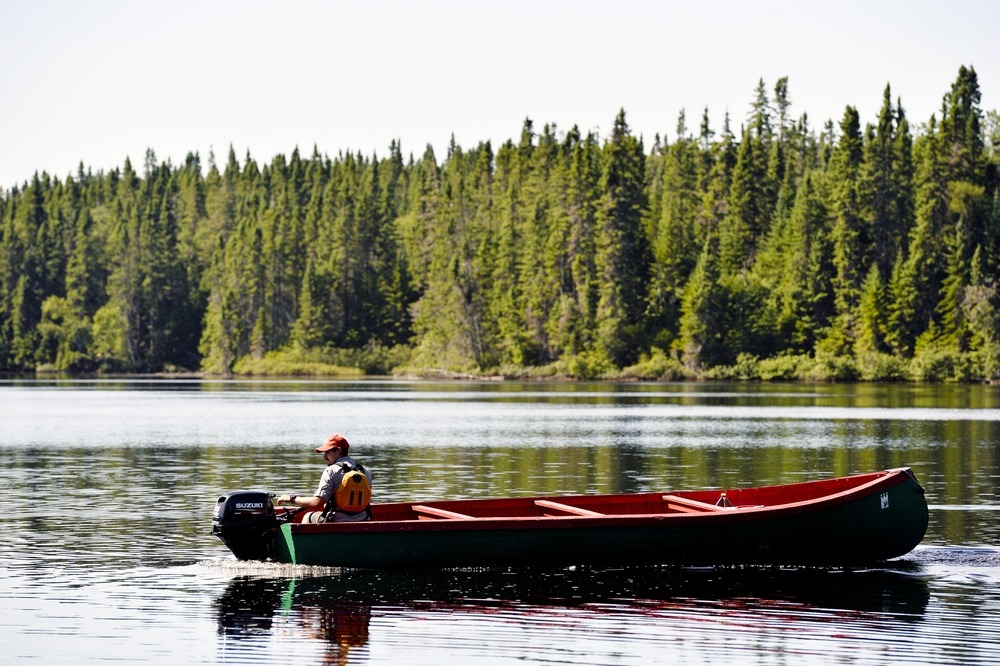
About an hour's drive from Trois-Rivières, Mauricie National Park offers access to pristine natural spaces. Hiking trails, lakes and abundant wildlife make it a prime destination for a nature getaway, whether for a day trip or a longer stay.
When to Go?
The best time to visit Trois-Rivières extends from late spring to early fall. Between May and September, conditions are most favorable for enjoying outdoor activities and soaking in the city's atmosphere. Here's an overview of each season to help you plan your stay:
- Spring (May to June): temperatures gradually warm up and the city comes alive after winter. It's a pleasant time to discover the city without summer crowds.
- Summer (June to September): the city is in full swing, fueled by festivals, open-air performances and outings on the Saint Lawrence.
- Fall (September to November): the atmosphere becomes quieter and the landscapes are painted in vivid colors. An ideal time for walks through the historic quarter.
- Winter (December to March): cold sets in, but the city offers wonderful outdoor activities like cross-country skiing and ice skating, particularly on Île Saint-Quentin.
Trois-Rivières is easily accessible from major cities in the province thanks to its central location in Quebec.
- By car: this is the most direct and flexible option. From Montreal, expect about 1.5 to 1.75 hours via the highway along the Saint Lawrence River. From Quebec City, the journey is even shorter, with just over an hour of driving.
- By bus: regular connections link Trois-Rivières to Montreal and Quebec City, with several departures daily. The journey takes about two hours from Montreal and takes you directly to downtown.
- By train: there is no direct rail connection to Trois-Rivières. You can travel via an intermediate city, then complete the journey by bus.
- By plane: Trois-Rivières has no airport served by regular commercial flights. The nearest airports are Montreal and Quebec City, from which you can reach the city by car or bus.
Once there, the city is best explored on foot, with downtown and historic Trois-Rivières easily accessible without a vehicle. For the surrounding areas, a car remains the most practical solution, particularly for reaching Mauricie National Park or Shawinigan.
Want to discover this destination?
Our local advisors design your tailor-made trip.