Gaspé
Gaspé
Cradle of French America and gateway to Forillon National Park, Gaspé blends cliffs, whales and fishing villages at the tip of the peninsula.
At the edge of the Gaspésie Peninsula, Gaspé embodies the spirit of the world's end. Between cliffs and shorelines, this ocean-facing city beckons both adventure seekers and contemplative travelers alike. Hikers, history enthusiasts, culture devotees, and those simply seeking authenticity will find here a vibrant place where nature and memory converge.
It is here, where the land slopes toward the sea, that the magic of Gaspésie begins.
Memory and the Founding of Gaspé
At the head of the famous bay bearing its name, Gaspé is considered the cradle of French America. On July 24, 1534, Jacques Cartier planted a cross here, claiming the territory for the King of France and marking the encounter with Chief Donnacona and the Saint Lawrence Iroquoians.
The name Gaspé is believed to come from the Mi'kmaq word Gespeg, meaning "end of the lands." An evocative name for this continental point where everything seems to end and begin simultaneously.
Over the centuries, the city developed around its bay and ports, becoming a center of fishing and maritime trade. In the twentieth century, the merger of coastal villages gave birth to modern Gaspé, without erasing the memory of its origins.
Gaspé Today
Anchored between sea and mountains, Gaspé merges its heritage with contemporary vitality. An active port city, it remains deeply rooted in the sea, fishing, and nature.
Its harbor, salmon aquaculture facilities, and world-renowned rivers testify to this enduring maritime vocation.
Heritage churches, the Christ-Roi wooden cathedral, and the Jacques Cartier monument all speak to the weight of history in the urban landscape.
Gaspé is also an important administrative and cultural hub, home to the La Côte-de-Gaspé regional county municipality. Its residents embody the Gaspésian spirit: warm, proud, and ocean-oriented, balancing tradition with modernity in perfect harmony.
What to Discover in Gaspé?
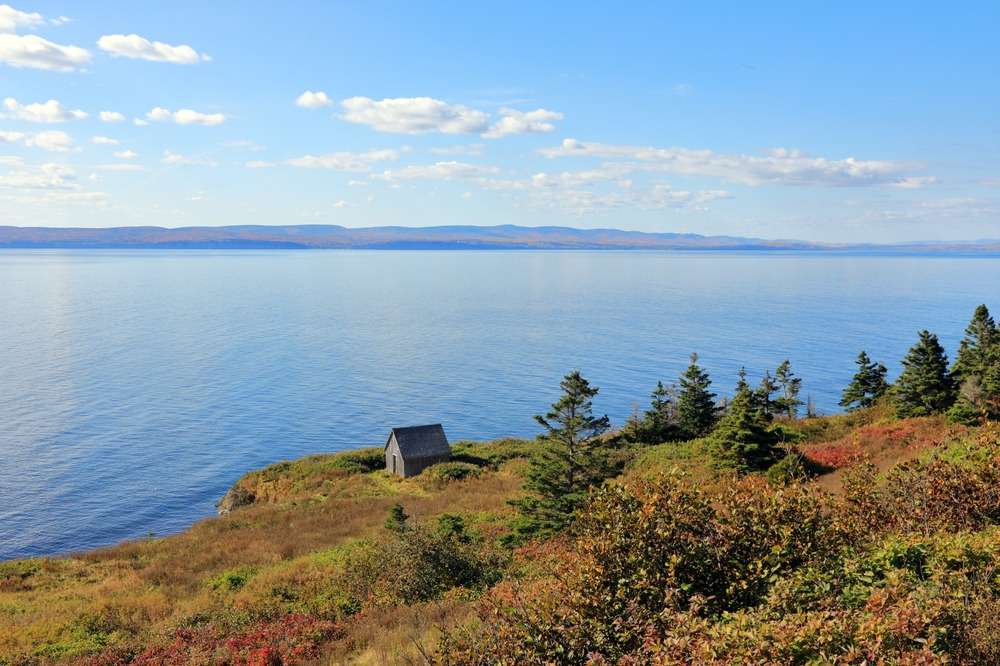
Between sea and mountain, Gaspé seduces with striking landscapes where the Appalachians plunge into the Gulf of Saint Lawrence. Cliffs, beaches, and fishing villages form a living mosaic of nature and history.
- Gaspé Bay: a natural amphitheater ideal for observing seals, whales, and marine birds.
- Forillon National Park: where sea, mountain, and forest meet, its trails lead to iconic sites such as Maison Blanchette and Cap-Gaspé lighthouse.
- Cap-des-Rosiers: Canada's tallest lighthouse dominates a spectacular coast marked by the history of the Carricks shipwreck.
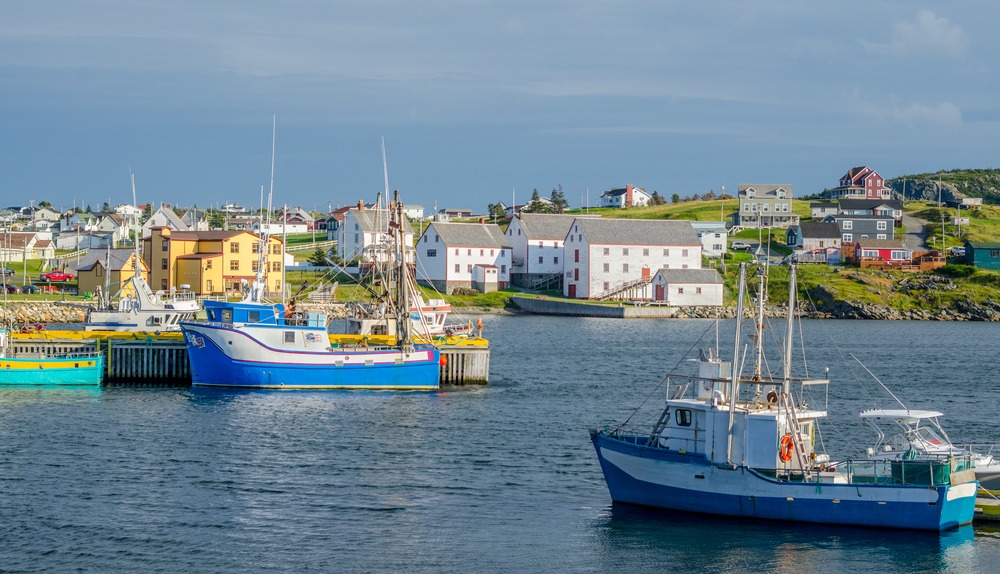
- Rivière-au-Renard: the fishing capital of Gaspésie, with its bustling wharves, fish markets, and stunning views over the bay.
- Cap-aux-Os: a charming waterside hamlet connected to Fort Péninsule, a vestige of World War II.
- Douglastown: a neighborhood of Irish heritage, renowned for its warm welcome and views of Forillon Park.
- Fort-Prével: a former military site converted into a tourism domain with golf overlooking the Atlantic.
What to Do in Gaspé?
A destination for both adventure and relaxation, Gaspé caters to every inclination. From nature to culture to seaside pleasures, each season offers its share of discoveries.
- Hike through spectacular landscapes: from the International Appalachian Trail to Forillon's coastal walks, routes are varied and accessible to all.
- Explore the bay by kayak or stand-up paddleboard: a unique way to admire the cliffs and encounter seals in their natural habitat.
- Watch whales: take a cruise into the Gulf of Saint Lawrence and experience the thrill of face-to-face encounters with these marine giants.
- Discover the fishermen's way of life: in Rivière-au-Renard, meet the fishermen, taste fresh fish and seafood, and immerse yourself in the atmosphere of an authentic port.
- Fish for salmon: the York, Dartmouth, and Saint-Jean rivers rank among the world's most renowned for sport fishing.
- Relive the past: visit exhibitions at Forillon Park, Maison Blanchette, or Fort Péninsule, witnesses to the region's maritime and military heritage.
- Taste Gaspésie: cheeses, smoked fish, and craft beers are savored at the Marché des saveurs gaspésiennes or in downtown restaurants.
- Unwind at sunset: beaches and cliffs offer sublime vistas, perfect for ending the day in style.
- Stay by the sea: campgrounds, glamping accommodations, or charming inns—each option promises an awakening in the fresh air, lulled by the sound of waves.
When to Visit?
The best time to visit Gaspé extends from June to September, when days are mild and sunny, ideal for outdoor activities. Winter, though more severe, attracts lovers of snow-covered landscapes and northern adventures. Throughout the rest of the year, weather remains variable with occasional precipitation, yet the region holds a certain charm in every season.
Gaspé is accessible year-round by road, coach, or plane.
- By car: reach Gaspé via Route 132 East, hugging the coast, or Route 198. Plan for approximately 700 km from Québec and 350 km from New Brunswick.
- By coach: Orléans Express regularly serves Gaspé from Québec and the Bas-Saint-Laurent region.
- By plane: Gaspé's Michel-Pouliot Airport (YGP), 10 minutes from downtown, offers regional flights and car rental services.
- Regional public transit: The RÉGÎM service connects coastal villages and Forillon National Park.
A car remains the simplest way to explore Gaspé and its surroundings.
REGÎM provides shared trips between villages, and Orléans Express connects the city to major Québec centers.
In summer, cycling and walking offer a wonderful way to enjoy the coastline at your own pace.
Want to discover this destination?
Our local advisors design your tailor-made trip.