Toronto
Toronto
Toronto, a cosmopolitan metropolis on the shores of Lake Ontario: practical guide to visiting the CN Tower, Toronto Islands, neighborhoods and Niagara Falls.
Toronto, the capital of Ontario, ranks as Canada's most populous metropolitan area. What strikes you immediately is the diversity of its residents: more than half the population was born abroad, making this metropolis perched on the shores of Lake Ontario one of the world's most cosmopolitan cities. Since the 1980s, it has surpassed Montreal to establish itself as the country's leading economic and cultural center. A reality felt at every street corner.
History
Inhabited for over 10,000 years, the site of present-day Toronto was occupied by the Iroquois when the French established Fort Rouillé there in 1750. A few decades later, Governor John Graves Simcoe founded a city he named York and made it the capital of Upper Canada in 1796. The War of 1812 left deep scars: American troops occupied and plundered the city for several days, an episode that profoundly marked collective memory.
In 1834, York officially became Toronto, a word of Mohawk origin meaning "the place where the roots of trees dip into the water." The city then opened itself to successive waves of immigration throughout the 19th century, welcoming communities from every corner of the globe. This migratory history, over the decades, forged the resolutely plural character of the metropolis it became.
What to See in Toronto?
The CN Tower
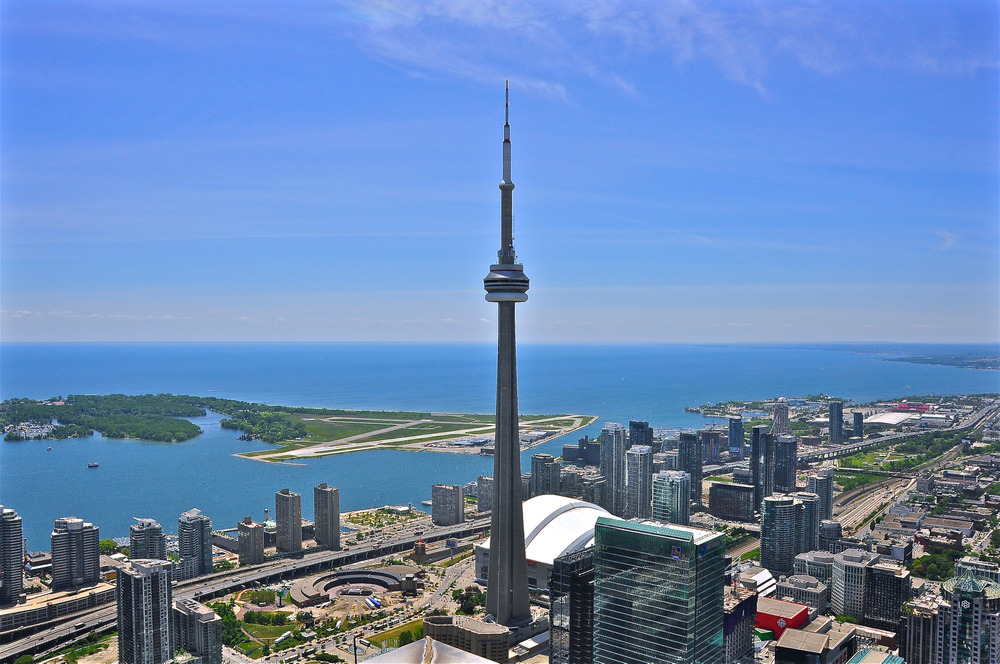
Built in 1976, the CN Tower stands 553 meters above the city and has become Toronto's unmistakable symbol. From the observation gallery, the panorama embraces the city in its entirety and, on clear days, extends to the American shores of Lake Ontario. For the more daring, EdgeWalk offers a chance to skirt the tower's outer edge at 356 meters altitude.
The Royal Ontario Museum
The Royal Ontario Museum, better known by the acronym ROM, is Canada's largest museum. Its forty galleries house nearly six million objects spanning natural history, archaeology, and art from around the world. The contemporary extension designed by Daniel Libeskind, with its glass and steel structure, deserves a visit in its own right.
Casa Loma
Perched on the heights of the city, this neo-Gothic mansion built between 1911 and 1914 boasts 98 sumptuously decorated rooms, manicured gardens, and secret tunnels connecting the basement to the former stables. A filming location for numerous film productions, it regularly hosts thematic events that give it a special atmosphere depending on the season.
The Distillery Historic District
Once the site of the Gooderham & Worts distillery, the Distillery District is today one of North America's best-preserved Victorian architectural ensembles. Its red-brick buildings have been converted into art galleries, artist studios, cafés and restaurants, while retaining the authenticity of their era.
Fort York
Established in 1793, Fort York ranks among the foundational sites in the city's history. This military site, which was at the heart of the War of 1812 conflicts, is today open to the public as a living museum. The original buildings are preserved here, and period costume reenactments allow visitors to better grasp what daily life was like for the soldiers stationed there.
What to Do in Toronto?
Explore Kensington Market
Designated a National Historic Site, Kensington Market counts among the most vibrant sectors of the city. Its colorful laneways group together vintage shops, craft boutiques, and stalls of fresh produce from around the world, for those wanting to capture the city's multicultural pulse.
Stroll Through St. Lawrence Market
Open for more than two centuries, St. Lawrence Market is an institution in the daily life of Torontonians. The South Market welcomes food producers and artisans, while the North Market hosts a farmers market and antiques market every weekend. It's the ideal place to taste local flavors and soak in the authentic atmosphere of old Toronto.
Escape to Niagara Falls
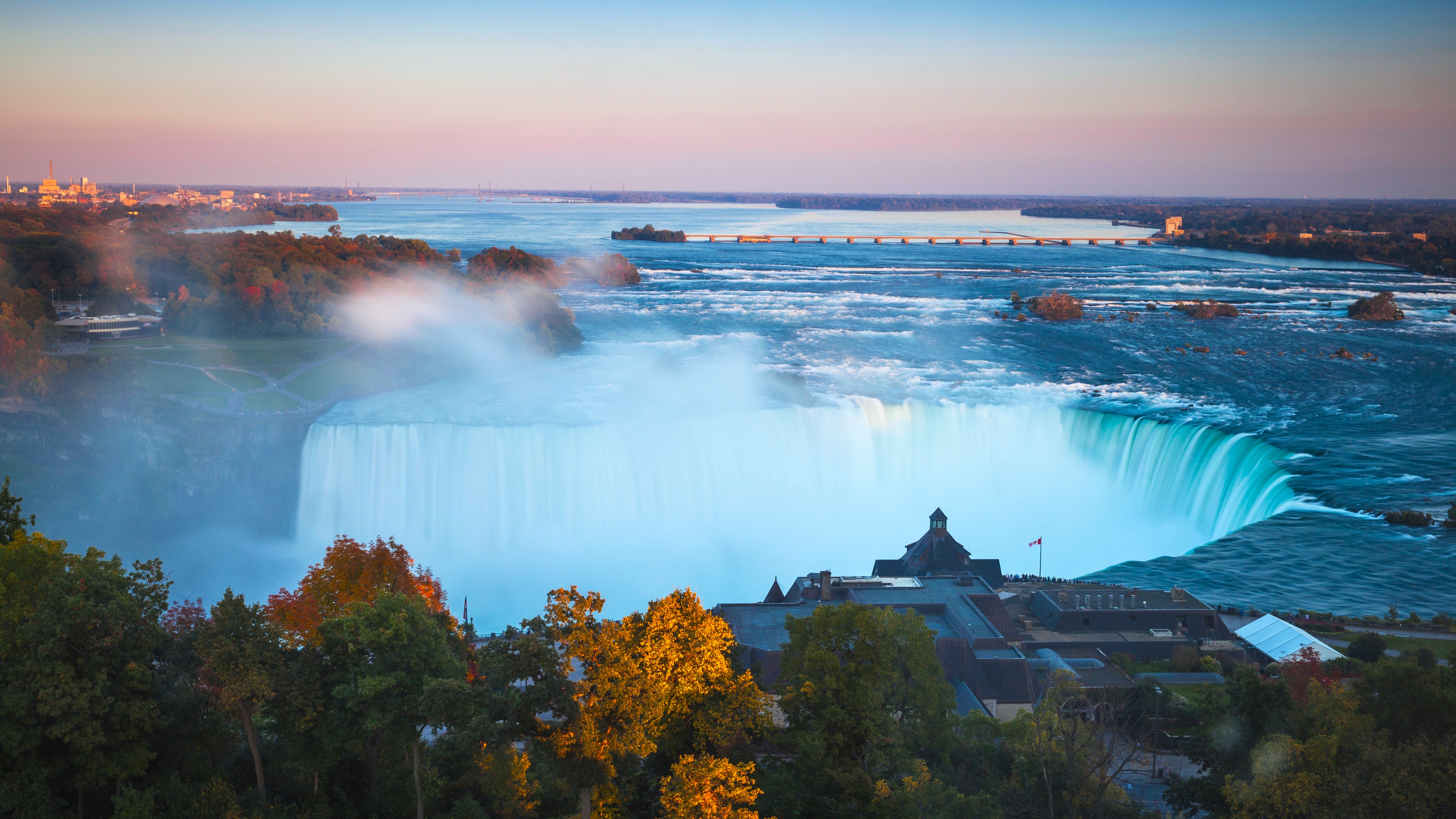
Less than two hours from Toronto, Niagara Falls constitutes the most spectacular excursion from the city. The Canadian Falls, known as Horseshoe Falls, offer a breathtaking display of power. The return trip via Niagara-on-the-Lake, with its vineyards lining the road, extends the day most pleasantly.
When to Visit?
Toronto can be visited year-round, but each season offers a very different experience. Here's an overview of each season to help you better plan your stay:
- Spring (March to June): temperatures gradually rise to around 20°C. The cherry blossom bloom at High Park, between late April and early May, is one of the season's highlights.
- Summer (June to September): this is peak season, with temperatures between 22 and 27°C. The Toronto Jazz Festival and Toronto Pride punctuate the season with festive events. Rain remains a regular companion, particularly in June and August.
- Autumn (September to November): crowds disperse and temperatures remain mild at around 20°C in September. The TIFF, Toronto International Film Festival, is the flagship event of this period. High Park, adorned in autumn hues, also deserves a visit.
- Winter (December to February): cold can be harsh, with temperatures dropping to -20°C. The Distillery District Christmas Market and the wealth of museums in the city offer good reasons to brave the cold.
To reach downtown from Pearson Airport, several options are available:
- The UP Express: a direct train connecting the airport to Union Station in under thirty minutes, with departures every fifteen minutes. It's the fastest option.
- The Toronto Transit Commission bus represents the most affordable alternative, with a journey of about an hour to downtown.
- Taxi or Uber, for a trip of around thirty minutes depending on traffic.
From Billy Bishop Airport, two accesses are possible:
- A pedestrian tunnel with moving walkways
- A ferry service with frequent departures
Regardless of which option you choose, a free shuttle connects the airport to Union Station.
From other Canadian cities:
- VIA Rail provides regular rail connections from Montreal, with a journey of approximately five and a half hours, as well as from Ottawa.
- Megabus and other coach companies offer these same routes at more affordable rates.
Getting around Toronto is facilitated by an extensive and well-integrated public transit network. Here are the main options at your disposal:
- The subway: its four lines cover the essentials of the city and allow you to quickly reach the main sites.
- The streetcar: with fifteen lines in operation, some running at night, it takes over from the subway in the city's central sectors.
- The bus: a practical solution for reaching outlying areas, thanks to express, regular, and night lines.
- The bicycle: a pleasant option between spring and autumn, thanks to the Bike Share system and the extensive network of bike paths.
- Walking on foot: the heart of the city lends itself particularly well to pedestrian exploration, especially during the warmer months.
- Taxi and Uber: easily accessible for occasional trips or evening outings. Tipping is a common practice in Toronto: counting between 15 and 20% of the fare amount is the norm.
- Car rental: a wise choice for exploring the area around Toronto, extending to Niagara Falls for example. A foreign driver's license is accepted for a maximum duration of 90 days.
Want to discover this destination?
Our local advisors design your tailor-made trip.