Glacier National Park
Glacier National Park
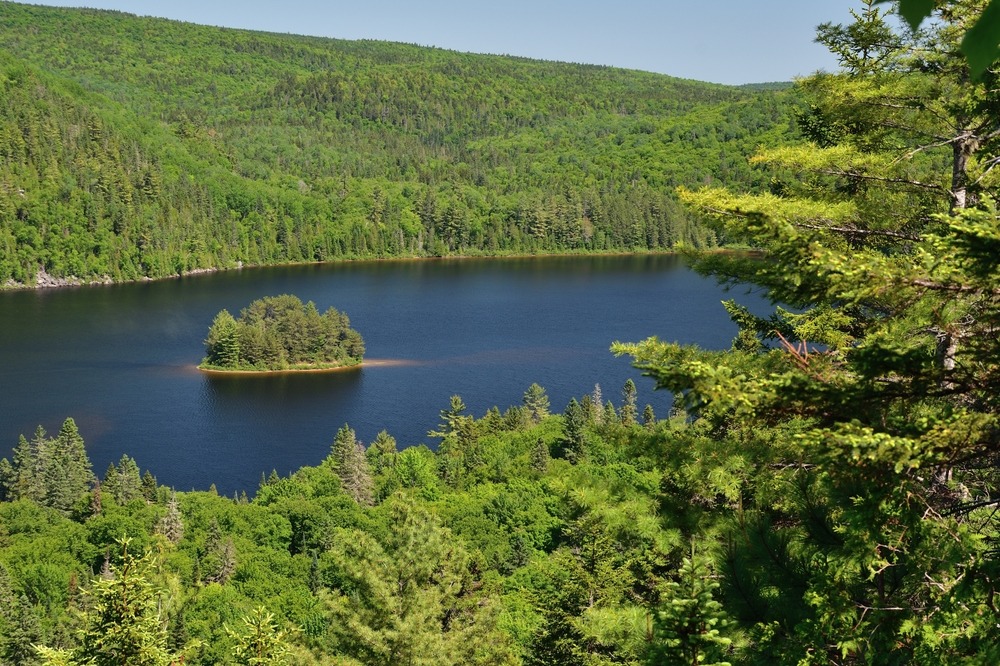
Between Revelstoke and Golden, Glacier National Park brings together studied glaciers, temperate rainforests and railway history at the heart of the Selkirk Mountains.
Between steep mountains, ancient forests and deep valleys, Glacier National Park occupies a remote region of British Columbia, halfway between Revelstoke and Golden. Birthplace of mountaineering in Canada, it gathers glaciers, historic trails and high-altitude rainforests across the same territory traversed by the Trans-Canada Highway.
Why visit Glacier National Park?
Three distinctive elements set this park apart among the protected areas of the Canadian Rockies. First, its age: established in 1886, it ranks among the country's oldest national parks, alongside Banff. Next, its role in the railway and alpine history of Canada, linked to the passage of the Canadian Pacific Railway through Rogers Pass. Finally, its concentration of glaciers and interior rainforests, a rare ecosystem at this continental latitude.
The park appeals to both experienced hikers and passing motorists: the Trans-Canada Highway runs straight through it, with several stops offering quick access to a trail or viewpoint.
A history tied to rail and mountaineering
The park's history is closely linked to that of the Canadian Pacific Railway. The discovery of Rogers Pass by explorer Albert Bowman Rogers in 1881 paved the way for construction of a rail line across the Selkirk range, a decisive step in Canada's unification. The pass, at 1,330 metres elevation, became a strategic crossing but also a testing ground for avalanche control, which caused several accidents before the Connaught Tunnel opened in 1916.
High-altitude tourism quickly grew around the railway. The Canadian Pacific brought in guides from Switzerland to lead mountain ascents: these guides made the park a major centre for North American mountaineering, opening routes on surrounding peaks. The remains of Glacier House, one of the country's first mountain hotels, still bear witness to this pioneering era.
What to see and do?
Rogers Pass and its Discovery Centre
The heart of the park, Rogers Pass brings together railway history, mountaineering and Parks Canada's contemporary avalanche management in one location. The Discovery Centre showcases the Canadian Pacific's epic journey, the geology of the Selkirks and the work of Parks Canada teams on winter safety. The remains of Glacier House can be visited nearby via a short interpretive trail.
Illecillewaet Glacier
Accessible in summer from the campground of the same name, Illecillewaet Glacier ranks among the most studied glaciers in North America. Several marked trails lead to different viewpoints, from a one-hour family walk to a full-day hike to the upper moraines. The glacier's recession over recent decades is documented on site.
Hemlock Grove ancient forest
This short boardwalk trail, accessible to everyone, winds through a wet forest where giant cedars and Western hemlocks dominate an understory of moss and ferns. Allow about twenty minutes for the loop. It is one of the few interior temperate rainforests in North America.
Summer hiking and backcountry skiing
In summer, high-altitude trails from Rogers Pass (Abbott Ridge, Asulkan Valley, Avalanche Crest) are suited to experienced hikers: significant elevation gains, changeable weather conditions. In winter, the area becomes renowned terrain for backcountry skiing, managed by an avalanche management system that is recognized as among the most advanced in the world. Travel outside marked zones requires a special permit issued by Parks Canada.
Wildlife and vegetation
The mosaic of altitudes supports varied biodiversity: mountain goats on rocky slopes, woodland caribou in decline in ancient forests, grizzly bears, cutthroat trout in rivers and Steller's jays along forest edges. For vegetation, you'll observe in succession giant cedars, Western hemlocks, spruces and subalpine firs, then flowering alpine meadows after snowmelt.
When to go?
The park is open year-round, but conditions vary significantly by season.
- June to September: clear trails, campgrounds open, meadows in bloom. Ideal period for hiking and glacier observation. July and August are the busiest months.
- October: autumn colours, low visitor numbers, but first snowfalls at altitude.
- November to April: backcountry skiing territory. The Discovery Centre operates on reduced hours; some access points are closed.
- May: tricky shoulder season with many trails still snow-covered.
Mountain weather remains changeable in every season: pack warm and waterproof clothing, even in summer.
Practical information
Park access is fee-based: a daily vehicle entry fee applies, and Parks Canada's Discovery Pass (valid for one year across all Canadian national parks) remains the most economical option for visits lasting more than a few days. Rates are updated annually by Parks Canada.
No fuel station is available at Rogers Pass: fill up in Revelstoke or Golden before entering the park. Mobile phone coverage is non-existent or very limited across most of the territory.
In winter, certain off-trail areas require a specific permit due to avalanche risk, managed by Parks Canada. Check at the Discovery Centre before any backcountry outing.
How to get there?
- By car: the Trans-Canada Highway (Highway 1) crosses the Selkirk Mountains from east to west and serves the park directly. Rogers Pass Discovery Centre is approximately 340 km from Calgary and 640 km from Vancouver.
- By plane: the closest airports are Kamloops, Kelowna and Calgary. A vehicle rental is then essential to reach the park and travel around it.
- On site: several parking areas and viewpoints dot the park's crossing. Winter driving requires appropriate tyres and increased caution (snowfall, temporary closures for avalanche control).
What to see nearby
Glacier National Park is part of a larger network of protected areas in the Canadian Rockies that can be chained together during a single itinerary. Banff National Park, accessible via the Trans-Canada heading east, naturally extends your exploration of high mountains. Further east in Canada, Forillon National Park in Gaspésie and Bic National Park in Quebec offer another face of Canadian landscapes, overlooking the Saint Lawrence. For the Atlantic coast, Gros Morne National Park in Newfoundland rounds out an overview of the country's national park network.
Frequently asked questions
Frequently asked questions
Yes, for certain winter areas exposed to avalanches, a Winter Permit issued by Parks Canada is mandatory. It can be obtained on site after a safety briefing at Rogers Pass Discovery Centre. Summer hiking on marked trails does not require any special permit beyond the park's entry fee.
Both species are present but elusive. Grizzlies frequent alpine meadows in summer, especially at sunrise and sunset; woodland caribou have become rare and localized. A pair of binoculars, respect for safe distances and carrying bear spray are recommended for any hike.
The park offers several short, easy trails such as Hemlock Grove or loops around the Discovery Centre, accessible to everyone. High-altitude hikes from Rogers Pass (Abbott Ridge, Asulkan) require good fitness, appropriate equipment and careful attention to weather conditions.
Extend your itinerary
Glacier National Park fits naturally into a larger journey across Western Canada, between the Rockies, glacial lakes and Pacific forests. To plan a customized stay combining this park with other mountain destinations, explore our Canada trips.
Interested in this visit?
We can include it in your personalised itinerary.