Omega Park
Omega Park
In Montebello, in the Outaouais region, Omega Park offers a drive safari, wolves in enclosures, the Oniro night experience, and unique accommodations available year-round.
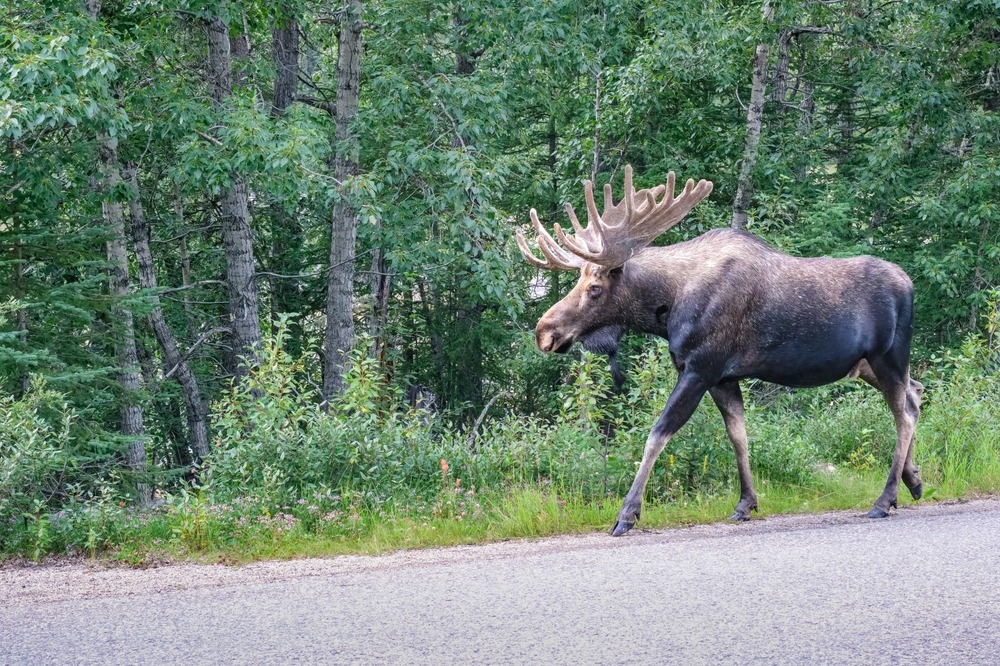
Omega Park is a major wildlife park in Quebec where deer, bison, wolves, and bears roam in a preserved natural environment. The site combines a drive safari route, hiking trails, a night experience, and unique accommodations, whether for a day visit or an extended stay in any season.
Why visit Omega Park
Located in Montebello, in the Outaouais region, approximately 70 km from Gatineau, 110 km from Montreal, and 130 km from Ottawa, Omega Park spans 728 hectares of forests, lakes, and meadows. It ranks among Quebec's largest wildlife sites, attracting roughly 320,000 visitors annually. The park's approach centers on observing semi-free-roaming animals: bison, elk, deer, and wild boar approach vehicles on their own, while wolves and bears are visible in expansive forest enclosures. This is complemented by an Indigenous cultural dimension via the First Nations Trail and a range of accommodations nestled in nature, accessible year-round.
A wildlife park open since 1991
Opened in 1991, Omega Park has gradually transformed from a conventional observation site into a territory-park where animals have vast spaces to roam. The creation of a dedicated Arctic wolf section, the development of Pioneer's Land, the expansion of unique accommodations, and the opening of the OmegaBon restaurant in 2021 reflect this evolution. The Oniro night experience, a scenic journey signed by multidisciplinary artist Michel Lemieux, has enriched the daytime programming by offering an artistic interpretation of the territory.
What to see and do at Omega Park
The safari route
From your vehicle, the 12 km safari route winds through meadows, forests, lakes, and rocky hills. Armed with carrots available at the entrance, you'll encounter:
- Virginia deer, bison, elk, and moose roaming freely
- Wild boar and fallow deer that readily approach vehicles, often accompanied by their young
Species in enclosures
Certain species are housed in separate spaces to maintain the park's ecological balance. This includes Arctic, gray, and black wolves, as well as black bears, visible outside their hibernation season. The gray wolf feeding at Pioneer's Land, narrated by a specialist, stands as one of the visit's highlights.
Aquatic and avian species
The lakesides shelter beavers, painted turtles, Canada geese, and great blue herons. Overhead, raptors—bald eagle and great horned owl—complete this natural tableau.
Pioneer's Land
Located midway along the route, this central area invites you to step out of your vehicle. Here you'll find the heritage farm, home to chickens, sheep, alpacas, and goats, as well as picnic areas and facilities for dining or resting.
The First Nations Trail
This hiking trail brings an Indigenous cultural dimension to your visit, evoking the heritage of the peoples who inhabited this territory. Shaded picnic tables allow for a break at the beginning or end of the trail.
Oniro: What do animals dream of?
Designed by multidisciplinary artist Michel Lemieux, this hour-long night experience unfolds across 17 tableaux scattered over one kilometer of forest walking. Projections on trees, light plays, music, and poetry unfold in sequence. Oniro functions as a distinct activity separate from the daytime visit and requires a specific reservation.
When to visit
The park is open year-round, with distinct experiences depending on the season:
- Spring and summer: the busiest and most accessible period, ideal for the safari, Pioneer's Land, and hiking trails; young animals are visible in spring.
- Fall: foliage colors transform the safari route, and wildlife is particularly active before winter.
- Winter: the safari route remains accessible and offers striking observations in the snow; the park also offers snowshoe trails through the forest and tube sliding.
Practical information
Dining
The OmegaBon restaurant, inaugurated in 2021 and expanded since, features cuisine highlighting local and seasonal products, with views over Bird Lake. The menu focuses on burgers and refined dishes, with vegetarian options and a selection of wines and beers from Montebello Brewers. Several picnic areas are also available throughout the route.
On-site accommodations
The park offers a range of unique accommodations accessible year-round:
- Wolf Cabin: handcrafted log structure with direct views of the gray wolf enclosure through large bay windows
- Panoramic chalets: terrace with private spa and overlook of the wolf valley
- Tipis, glamping tents, and log cabins for a more rustic experience
- Stilt house accommodating up to 7 people
- Pods: rounded mini-chalets nestled in the forest, equipped for couples and small families
How to get there
The park is primarily accessible by car, 2 km from Highway 50, which connects Ottawa and Montreal. No public transportation directly serves the site. GPS coordinates: 399 Route 323 North, Montebello, Quebec. Parking on-site is free and accessible to coaches.
- From Montreal: Highway 15 North then Highway 50 West, exit 210, Route 323 North
- From Ottawa: Highway 50 East, exit 210, Route 323 North
- From Quebec City: Highway 40 West then Highway 50 West, exit 210, Route 323 North
Nearby attractions
Omega Park sits within a region rich in nature and cultural escapes. The village of Montebello, adjacent to the park, is home to the famous Château Montebello, the world's largest log structure, as well as artist galleries and several local producers. Further west, Mont Tremblant offers another facet of the Laurentians, ideal for hiking and skiing. On the natural landscape front, La Mauricie National Park and the Thousand Islands region complement a nature itinerary across Quebec and Ontario. For an urban break, Mount Royal in Montreal remains an essential stop.
Frequently asked questions
Frequently asked questions
Plan your trip
Omega Park integrates seamlessly into an itinerary spanning Montreal, Ottawa, and the Laurentians. To build a comprehensive route combining nature, wildlife, and Quebec cities, explore our Canada journeys.
Interested in this visit?
We can include it in your personalised itinerary.